Most builders buy media for a new community one piece at a time. Renderings get commissioned when the plans are approved. Someone asks for site aerials when the first pad goes down. The model home gets photographed the week it is finished. A brand film gets discussed after the sales office opens and the traffic is soft.
Every one of those decisions is reasonable on its own. Together they produce a library with gaps in it, work paid for twice, and a launch where the best assets arrive after the buyers who needed them have toured somewhere else. Builders opening communities in Orlando, Tampa Bay, across Central Florida, and in Austin and San Antonio hit the same sequencing problem. The fix is planning the whole arc before the first invoice. This post is about structure and order, not rates.
Phase One: Before There Is Anything to Photograph
Between entitlement and the first vertical construction there is nothing on site but dirt, and yet this is when sales usually begins. The assets for this phase are not photographs at all — they are renderings, elevation illustrations, site plans, and whatever the land itself can offer from the air.
What belongs in the plan here:
- Exterior renderings for each plan being sold pre-construction, matched to the elevations actually offered.
- Interior renderings for the plans that will not have a finished model for months.
- A raw-land aerial set establishing location, boundaries, and proximity to roads and amenities.
- A baseline progress flight, so the build-out has a starting frame to compare against later.
The decision that matters most in this phase is where renderings stop and photography starts. Renderings sell an idea; photographs sell proof. Buying renderings for plans you will have finished homes in soon is spending twice. Our comparison of rendering versus photography for pre-sale marketing is the piece to read before committing this part of the budget.
Phase Two: The Interim Sales Presence
Many communities sell from a trailer, a converted garage, or a temporary suite for months before the permanent sales center opens. This phase is routinely skipped in planning, and then the sales team has no images of where prospects are actually being met.
The set is small and worth having: an exterior that helps people find the building, one or two interiors showing the presentation space, and a frame of the site plan or model table. It does not need to be elaborate. It needs to exist, because the alternative is a website pointing prospects to a location they cannot recognize. The interim sales center photography post covers what actually earns its place in that set.
Phase Three: The Model Home and the Amenity Package
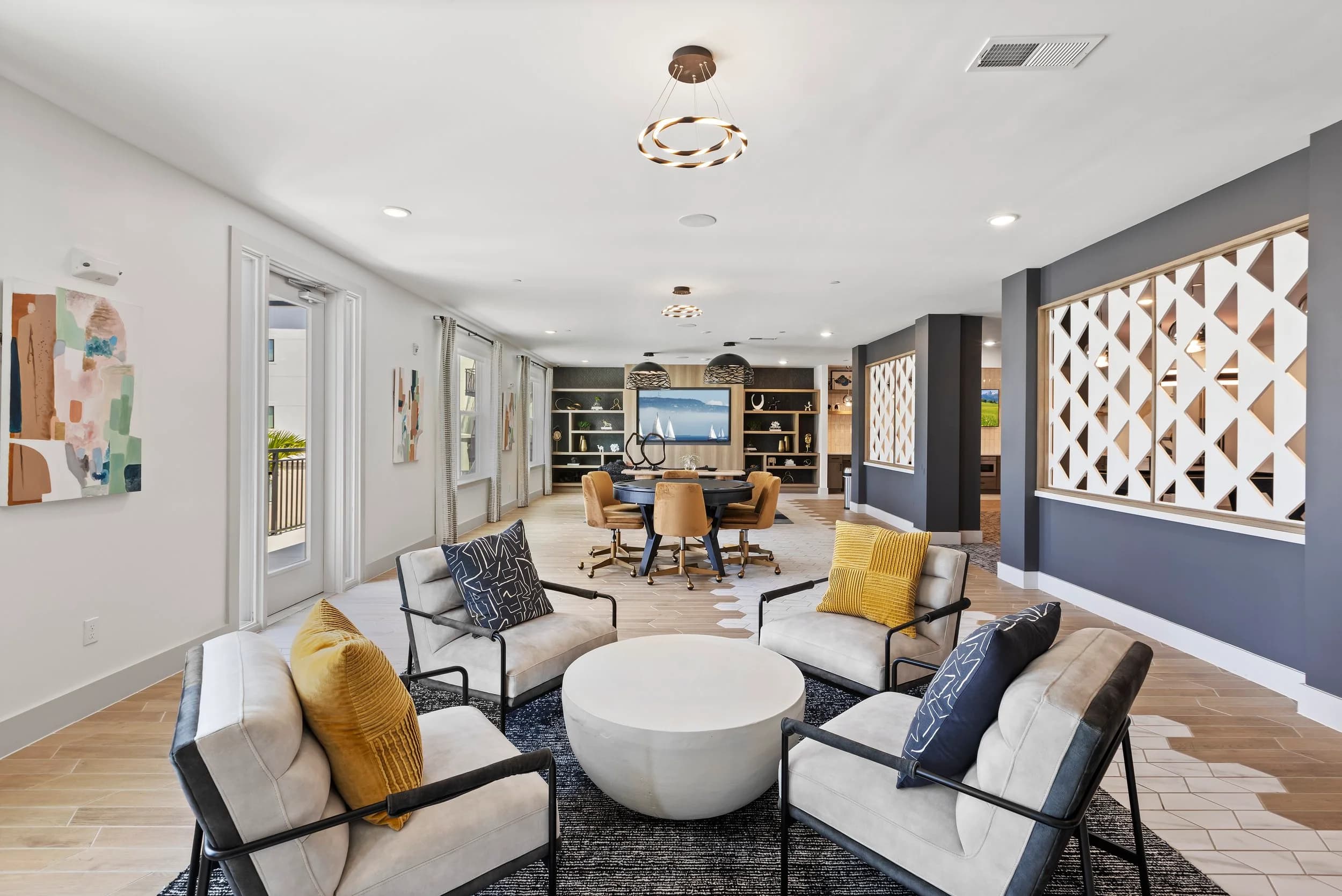
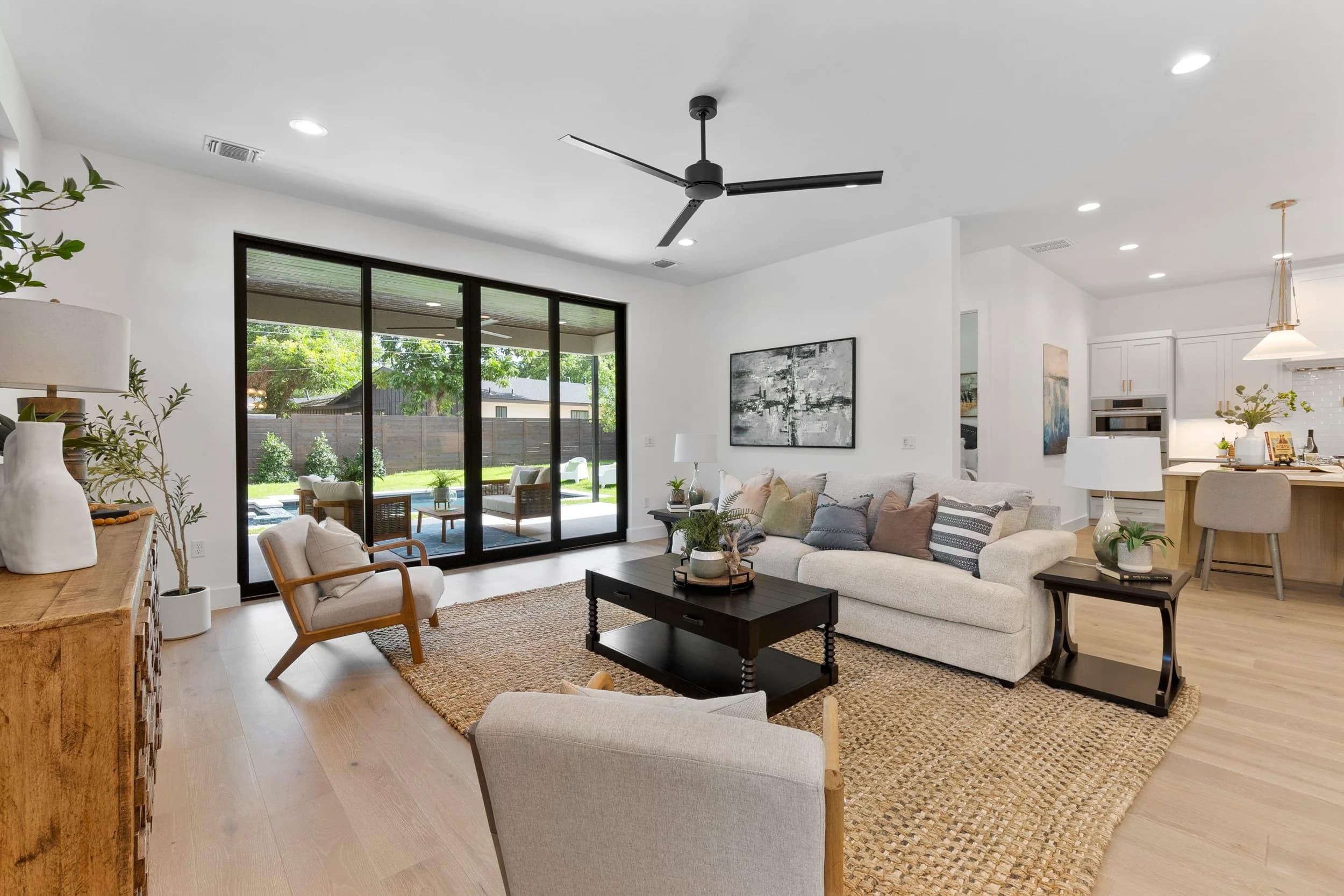
This is the largest single block of the arc and the one most often squeezed. The model home is the anchor asset for the life of the community, and it is photographable exactly once in its pristine state.
Planning it properly means accounting for more than one visit:
- The model interior, complete after the designer's install, not while punch-list work is still happening.
- The model exterior, which usually needs to wait for landscaping and may need a second visit if the front yard lags the interior.
- The amenity center, which frequently finishes on its own schedule, separate from the models.
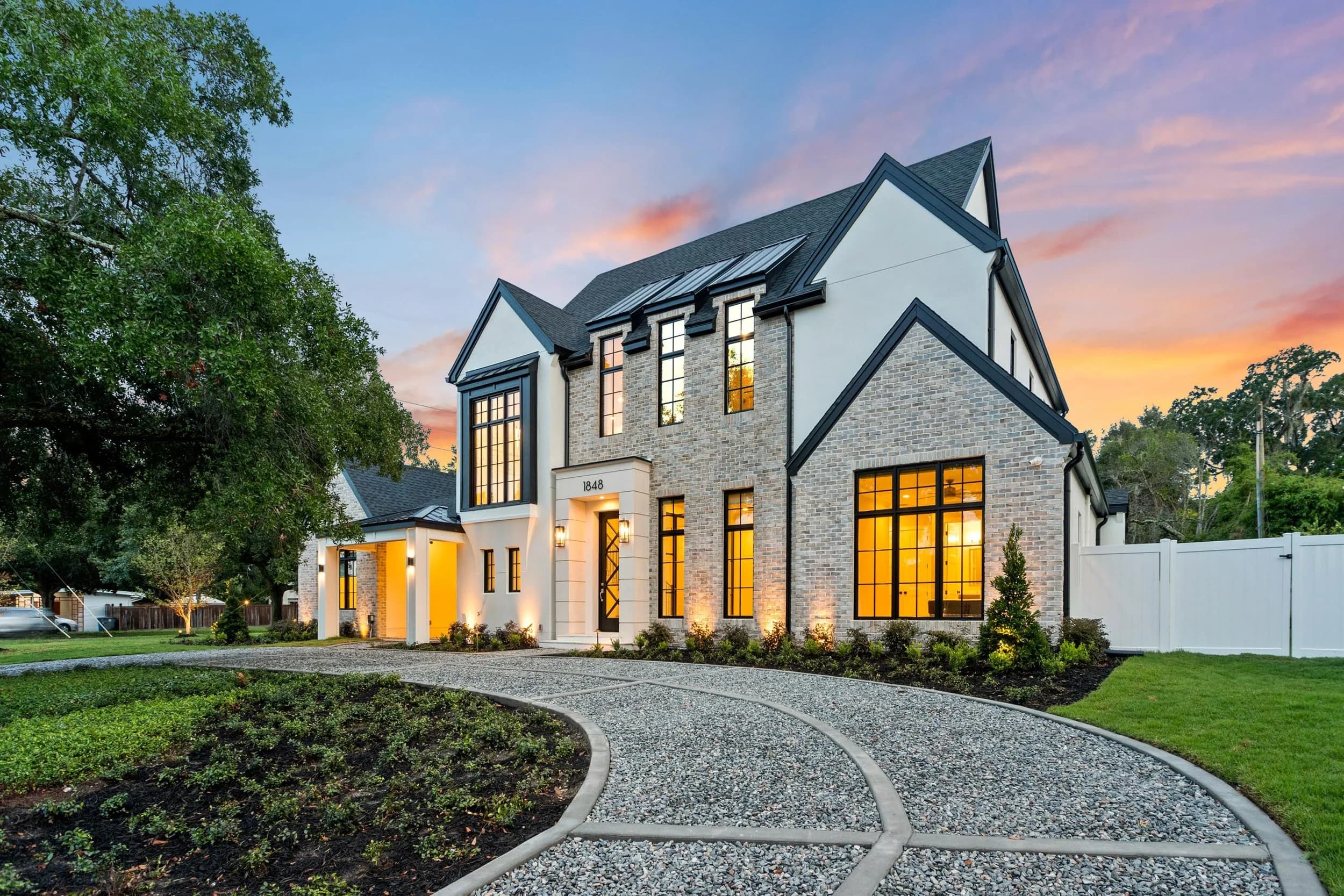
- Twilight exteriors for the model and the amenity building, the frames that carry the community's brand imagery.
- Additional plans as each spec or model is finished, shot to match the first so the collection stays consistent.
Two mistakes cost real money here. The first is photographing the model before the install is genuinely complete, which produces images that get replaced within a quarter. The second is treating each plan as a separate one-off assignment months apart, which produces a website where the homes do not look like they belong to the same community. Sequencing this phase against the actual construction calendar is the single highest-leverage planning decision in the whole arc. Exact scheduling and scope are confirmed at booking, once the finish dates are firm.
Phase Four: Video and the Community Story
Video usually gets discussed last and should be decided early, because the footage it needs is captured during the phases above. A community brand film is not a listing walkthrough — it is about location, lifestyle, and who the community is for, and it draws on aerials, amenity footage, and model interiors that have to be shot for motion rather than extracted from stills.
Deciding in phase one that a film is coming changes what gets captured in phases two and three, at very little additional cost. Deciding in phase four means going back for coverage that should have been gathered along the way. The distinction between a brand film and a home tour is laid out in community brand films, and it is worth settling before the model is photographed rather than after.
After Launch: Plan the Cadence, Not Just the Event
The launch arc ends, and the community keeps building for two or three more years. Landscaping matures, the amenity opens, new plans release, and the imagery from opening week gradually stops matching what a visitor sees.
A launch budget that stops at the ribbon leaves the marketing team with an aging library and no mechanism to refresh it. Planning an ongoing cadence alongside the launch — periodic progress flights, replacement exteriors as landscaping fills in, new plans as they complete — keeps the library current without another large one-time spend. That ongoing side is covered in building a quarterly photo asset library, which is the natural companion to this post rather than a competitor to it.
The useful exercise is to lay the whole arc against your construction calendar before you commission anything, then decide what each phase genuinely requires. Communities that do this end up with fewer assets, used harder, and almost never pay to reshoot a model home. Ready to book? Call or text (689) 600-2131 or get in touch.