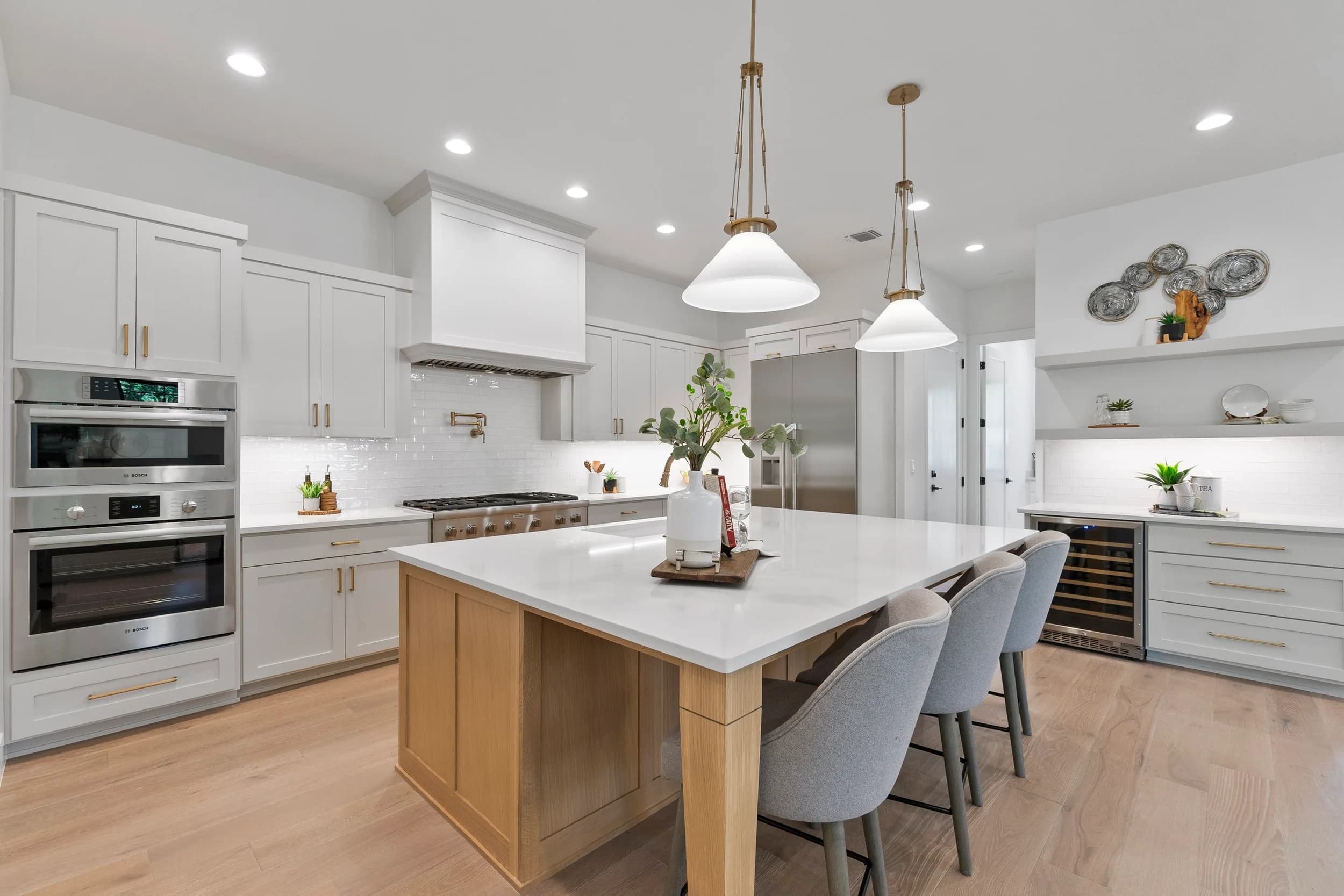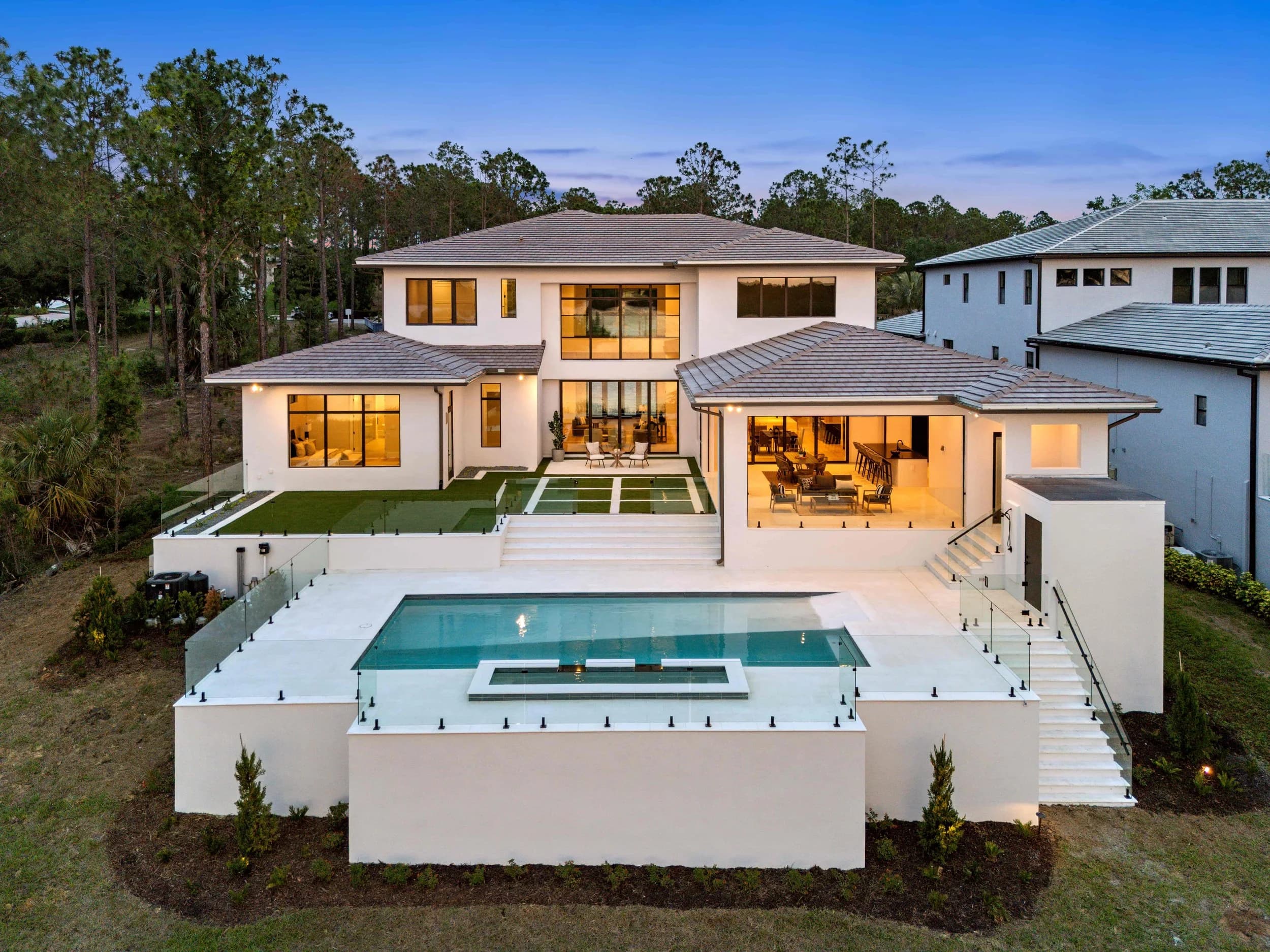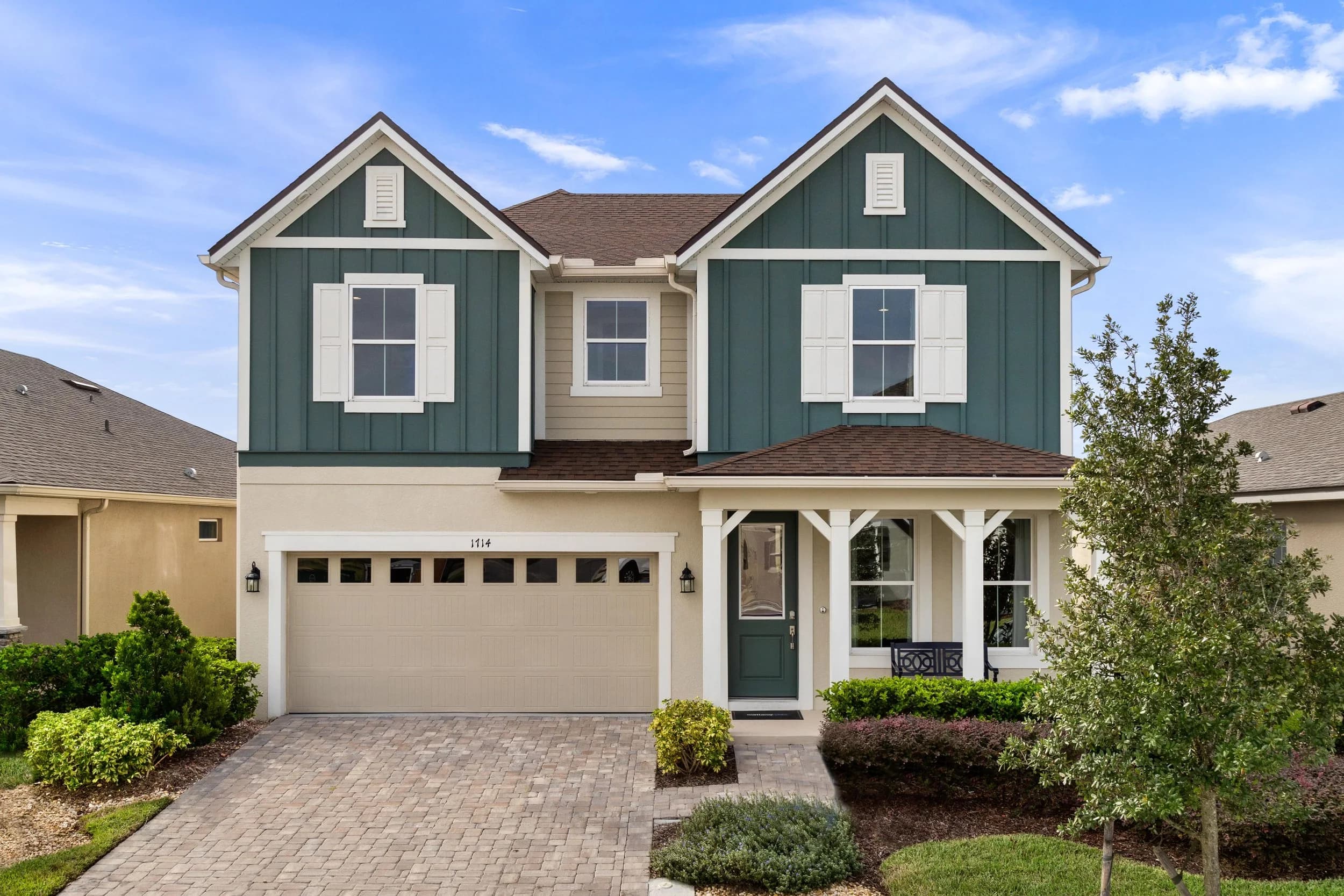
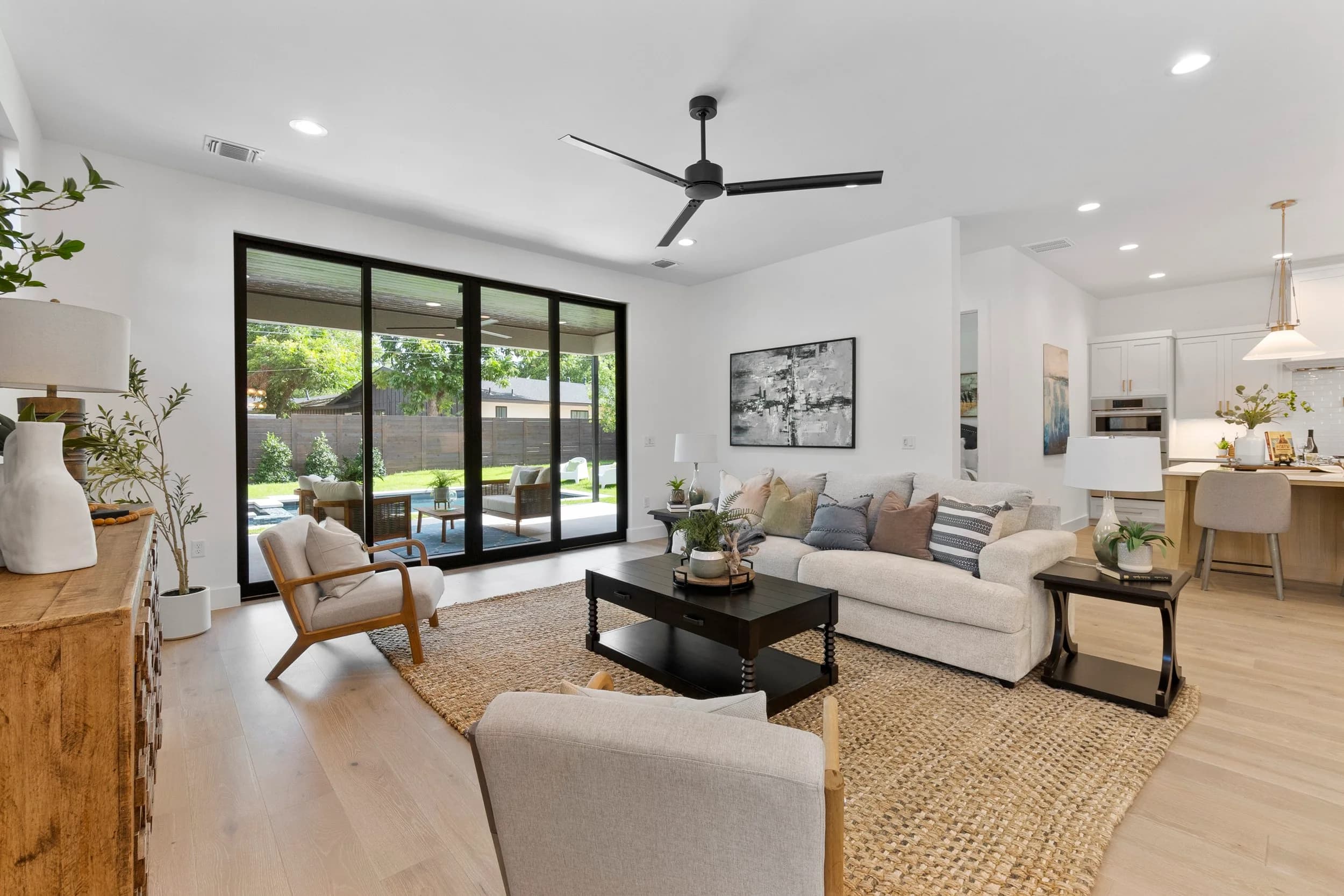
Most builder marketing teams buy photography the same way: a community launches, a model home finishes, someone books a shoot, and the images get used until they stop looking current. Then the cycle repeats eighteen months later, usually under deadline.
It works, in the sense that assets eventually exist. But it produces a library with obvious holes — no current amenity photos, no seasonal variety, no verticals for social, and nothing at all from the months between launches. A quarterly cadence fixes that, and it usually costs less annually than the emergency shoots it replaces.
What a Launch-Driven Library Is Missing
Audit a typical builder's image folder and the same gaps show up:
- Nothing from the middle. Heavy coverage at launch and at model completion, almost nothing in between, which is where most of the sales year actually happens.
- One season only. A community shot in July in Central Florida looks like July in Central Florida forever. Running a spring campaign on high-summer images is a small inconsistency that buyers register without naming.
- No amenity progression. The pool, trail, or clubhouse was photographed once — usually before landscaping matured. Two years later it looks considerably better and nobody has the picture.
- Horizontal only. Architectural frames are wide. Social is vertical. Cropping a 3:2 exterior to 9:16 destroys the composition, so teams end up posting whatever a sales agent shot on a phone.
- No people. Empty spaces are correct for listings and wrong for brand marketing. Lifestyle coverage almost never gets scheduled because it is nobody's specific deliverable.
What a Quarterly Shoot Day Actually Covers
The structure that works is one production day per community per quarter, with a rotating emphasis rather than a fixed shot list.
- Q1 — Inventory and interiors. Current standing inventory, any new floor plan releases, updated model interiors after selections or staging changes.
- Q2 — Community and amenity. Amenity centers, pools, trails, and common areas at their best, plus a full aerial set showing build-out progress.
- Q3 — Lifestyle and detail. People using the spaces, finish and craftsmanship detail, texture and material close-ups. This is the material that feeds brand content all year.
- Q4 — Refresh and gaps. Re-shoot whatever has visibly changed, close the gaps the year exposed, and capture anything the next year's campaign calendar will need.
Each day should produce three deliverable sets rather than one: a web set sized and formatted for the site, a social set cropped vertical and square in-camera rather than after the fact, and a print-resolution set for brochures and signage.
Why the Cadence Costs Less Than It Looks
The objection is always budget. Four shoot days a year per community sounds like more spend than two.
In practice it usually is not, for three reasons.
- Rush work disappears. The expensive shoots are the unplanned ones — a campaign approved on Monday needing images by Thursday. A standing cadence eliminates most of them.
- Trips consolidate. A planned day covers inventory, amenities, aerials, and detail in one mobilization. The same coverage bought reactively is four separate trips with four setup charges.
- Assets get reused properly. A library organized by quarter and deliverable set gets used. A folder named "Community Photos FINAL v3" does not, and the team re-commissions work that already exists.
The cadence also pairs naturally with construction progress documentation, which many builders are already paying for separately. Folding both into the same scheduled day is the single easiest consolidation available.
Making the Library Usable
A shooting cadence without an organizing system just produces a bigger mess. Three things make the difference:
- A consistent folder structure — community, then year and quarter, then deliverable set. Not by shoot date, and not by whoever delivered it.
- Filenames that survive email. Community, subject, and quarter in the filename itself, so an image forwarded to an agency partner still identifies itself.
- A documented usage license covering the builder's site, portals, print, paid social, and any agent or brokerage partners who will legitimately need the files. Sorting this once at the agreement level prevents the recurring question every time an asset leaves the building.
Starting Without Overcommitting
You do not need to convert an entire portfolio at once. Pick the community with the longest remaining sell-out horizon — the one where an eighteen-month-old image library will hurt most — and run four quarters there.
At the end of the year, compare the asset inventory against a launch-driven community. The difference is usually obvious enough to make the second conversation short.
We build these calendars with builder marketing teams across Orlando, Tampa Bay, and the Austin and San Antonio metros, and the planning conversation is free. Ready to book? Get in touch or call us — we serve Orlando, Tampa Bay, and Central Texas.