At some point, booking photography one listing at a time stops making sense. A team closing six or eight homes a month, or a builder with three communities in active sales, is running a standing production need — but still buying it like a series of unrelated favors.
Volume agreements and retainers exist for exactly that situation. They are not a discount scheme, and they are not a contract that locks you in. They are a way of turning an unpredictable line item into a predictable one, on both sides.
What a Volume Agreement Actually Changes
The usual objection is that a volume agreement is just a bulk discount with extra steps. The pricing usually does improve, but that is the least interesting part.
What actually changes is the operational side:
- Scheduling priority. A standing client is slotted first. In Central Florida, during the spring rush or a hurricane-delayed week when everyone is rescheduling at once, that is worth more than a percentage off.
- A known scope. Instead of re-deciding photo counts, drone, and tour deliverables on every booking, a standard package is defined once and applied every time. Fewer decisions means fewer missed deliverables.
- Consistency. The same shooter, the same editing profile, the same crop ratios. Consistency across a team's listings is very hard to get one booking at a time and nearly automatic under a standing agreement.
- Simplified billing. One monthly invoice rather than fourteen, which matters more to bookkeepers than to agents but tends to be the thing that gets the agreement approved.
The Three Common Structures
Most arrangements fall into one of three shapes, and picking the wrong one is the usual source of regret.
- Tiered volume pricing. No commitment. Rates step down automatically once you cross a shoot count in a month or a quarter. Lowest risk, least scheduling benefit, best for a team whose volume swings seasonally.
- A committed block. You commit to a number of shoots over a period at an agreed rate. Often includes priority scheduling. The question to ask before signing: what happens to unused shoots at the end of the term — do they roll over, expire, or convert to something else?
- A true retainer. A fixed monthly fee reserves a set amount of production capacity — days, not just shoots. This suits builders better than agents, because a builder's need is a mix of listing stills, progress photos, community assets, and video that does not map neatly onto a per-listing count.
A retainer is the only one of the three that reserves time rather than output. That distinction matters when the work is varied.
Questions Worth Asking Before You Commit
These are the terms that determine whether an agreement feels good in month six.
- What counts as one shoot? A 1,400 square foot townhome and a 6,000 square foot lakefront estate are not the same job. Most agreements define tiers by square footage — know where the lines fall.
- What happens when a shoot is cancelled at the door? Under volume terms, trip fees and cancellation policy should be stated more clearly, not less, because the frequency makes it inevitable. The underlying agreement terms still apply.
- Is the license the same? A brokerage-wide or builder-wide usage grant is often what a high-volume buyer actually needs, and it is not automatic just because the volume is higher.
- Does the rate apply to add-ons? Drone, twilight, Matterport, floor plans, and video are frequently priced separately from the base rate. Confirm which are included.
- Can it be paused? Inventory dries up. A good agreement has a pause or adjustment mechanism rather than forcing a cancellation and renegotiation.
Who This Genuinely Suits — and Who It Doesn't
It is worth being honest that a retainer is the wrong instrument for most individual agents.
A solo agent doing twenty transactions a year is better served by tiered volume pricing and a well-defined standard package than by a monthly commitment. The math rarely works, and the flexibility is worth more.
The arrangement pays off for:
- Teams running consistent monthly volume, where scheduling friction is the real cost
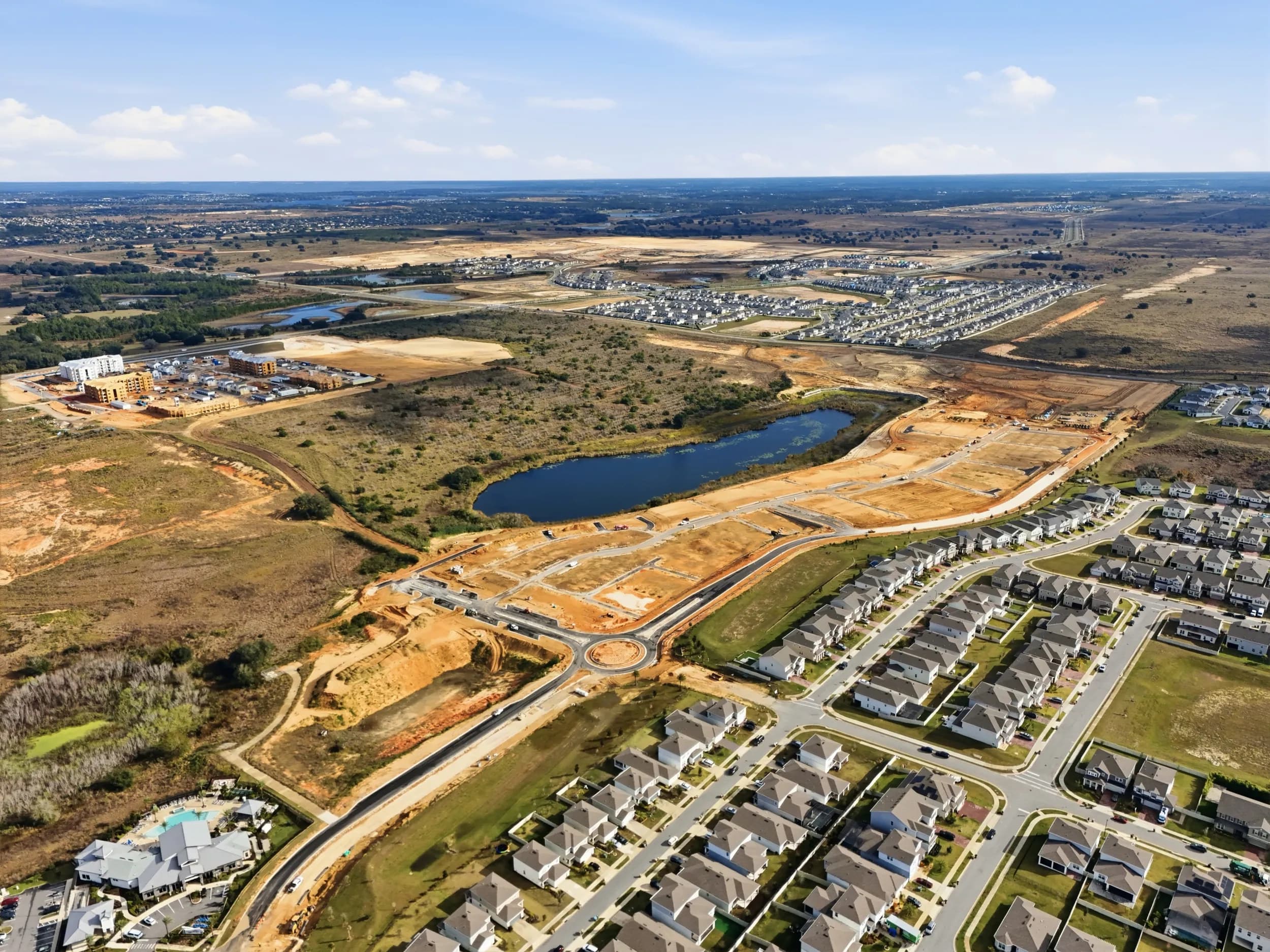
- Builders with multiple active communities in Orlando, Tampa Bay, or the Austin and San Antonio corridors, who need recurring community and progress work alongside home photography
- Property management and multifamily operators with continuous turnover
- Investors and flippers with a predictable project cadence
If you are not sure which side of the line you fall on, the useful exercise is to count the shoots you booked in the last twelve months and note how many were scheduled under time pressure. The second number usually decides it.
How to Start the Conversation
You do not need a proposal or a procurement process. Bring three things to the discussion: your realistic shoot volume over the last year, the deliverables you actually use every time, and the months when your scheduling gets tight.
From there, a sensible photographer will tell you honestly whether a standing arrangement helps you or whether you would do just as well paying per shoot. If the answer is the latter, that is worth knowing too — and a clearly defined standard package gets you most of the consistency benefit with none of the commitment.
Ready to book? Get in touch or call us — we serve Orlando, Tampa Bay, and Central Texas.