Builders and developers marketing homes before they're finished face a fundamental question: do you sell with computer-generated renderings or with real photography? The honest answer is that you need both — but at different stages, for different reasons. Here's how to think about it.
The Core Difference
A rendering is a digital image created from architectural plans and 3D models. It can show a home, a kitchen, or an entire community that doesn't physically exist yet. A photograph captures something real — a completed model home, a finished amenity center, an actual lot with actual light. Renderings sell the promise; photography sells the proof. Pre-sale marketing lives in the gap between the two.
When Renderings Are the Right Choice
Renderings are essential when there's simply nothing to photograph yet:
Pre-construction and early phases, when you're selling lots, floor plans, or future amenities that exist only on paper.
Showing options and upgrades — different cabinet finishes, exterior elevations, or design packages — without building every version.
Future community features, like a clubhouse or town center that's still months from breaking ground.
Interactive site plans and virtual models, where buyers explore a home that hasn't been framed.
For builders launching a new community around Orlando or Tampa Bay before models are complete, renderings let sales begin immediately rather than waiting for construction.
The Limits of Renderings
Renderings have a real weakness: buyers know they're idealized. A perfectly lit, flawlessly staged digital kitchen can create expectations that the finished home struggles to meet. Over-reliance on renderings can also make a community feel less trustworthy — savvy buyers want to see that the builder actually delivers. And a cheap rendering looks like a video-game screenshot, which can do more harm than good.
When Photography Takes Over
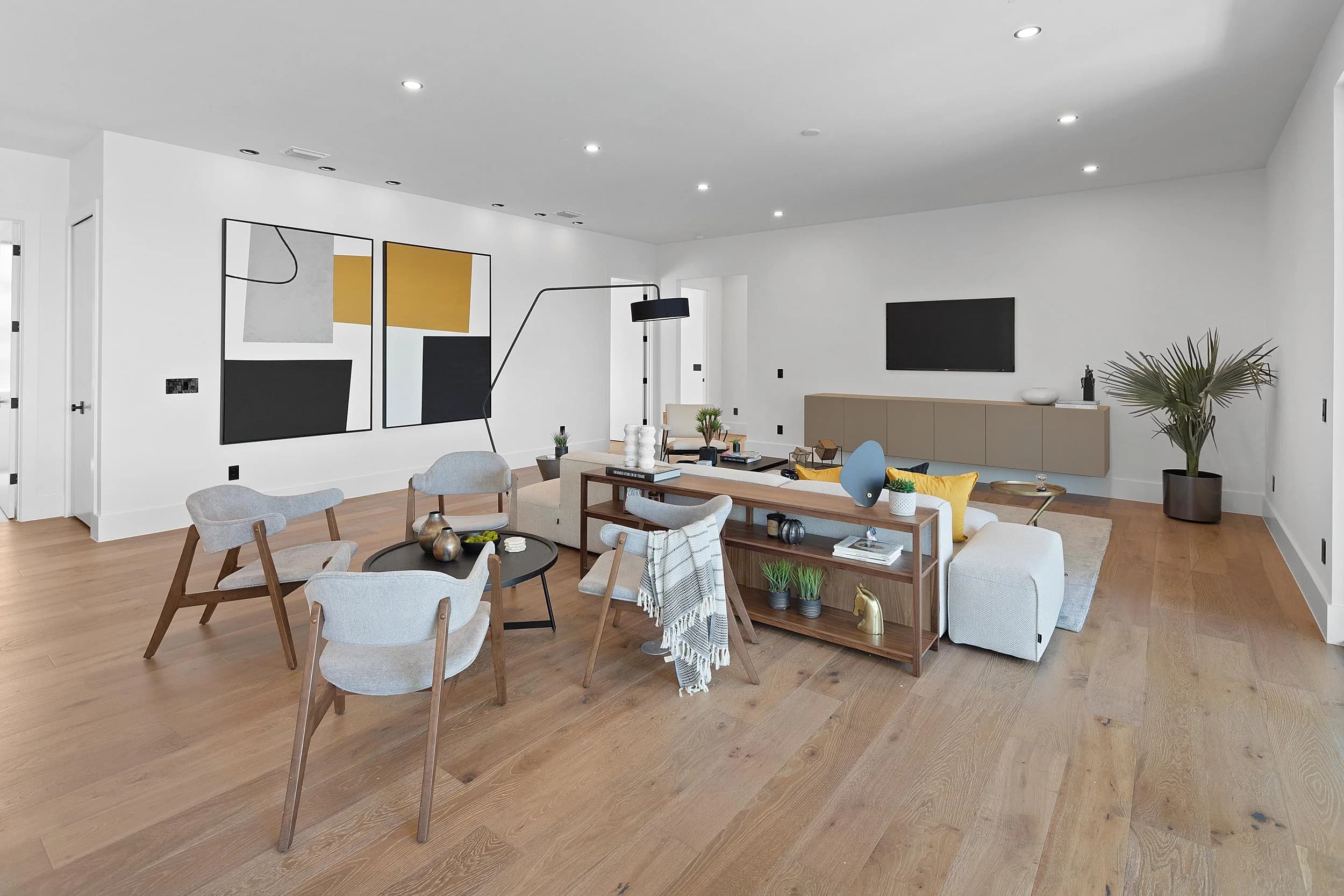
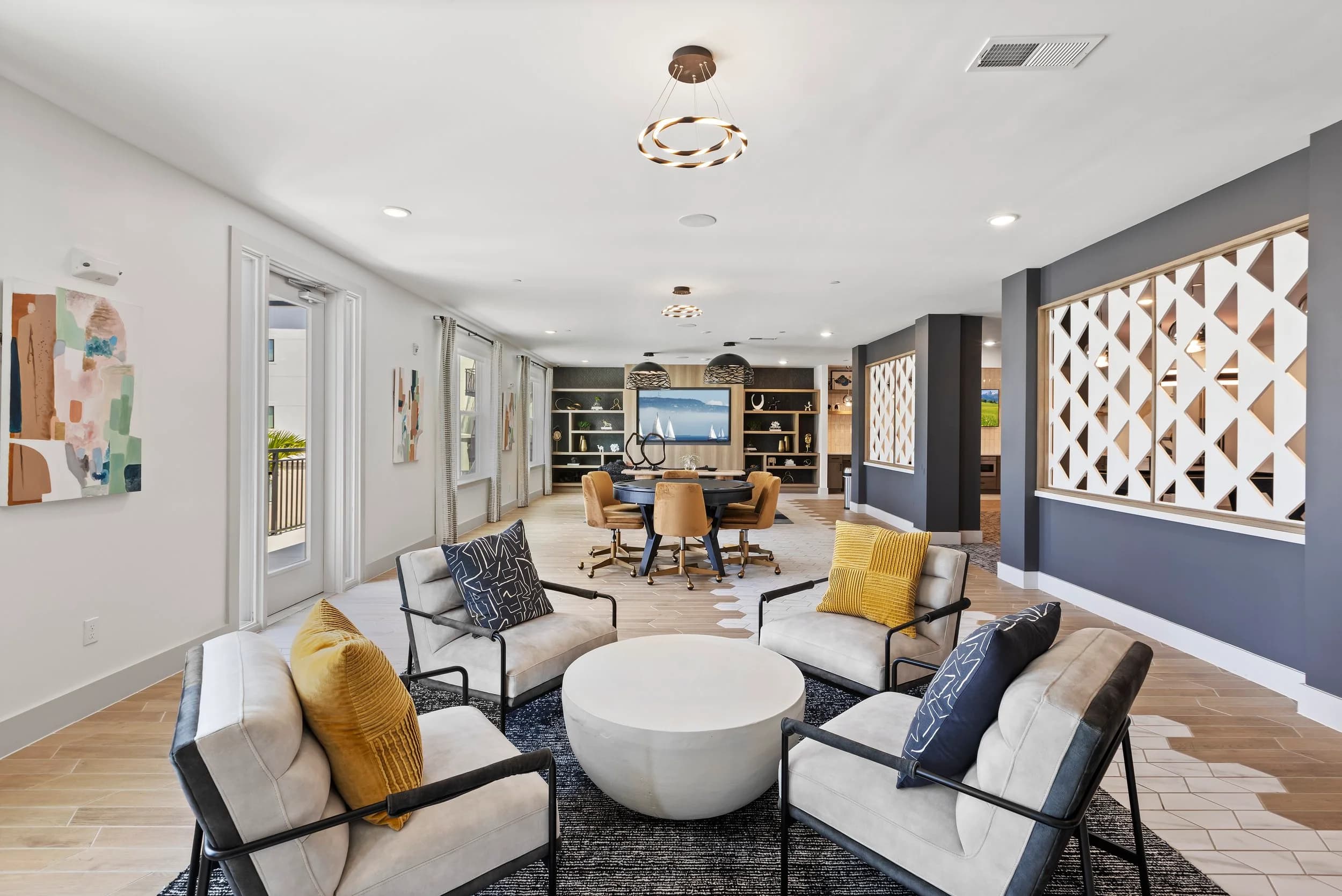
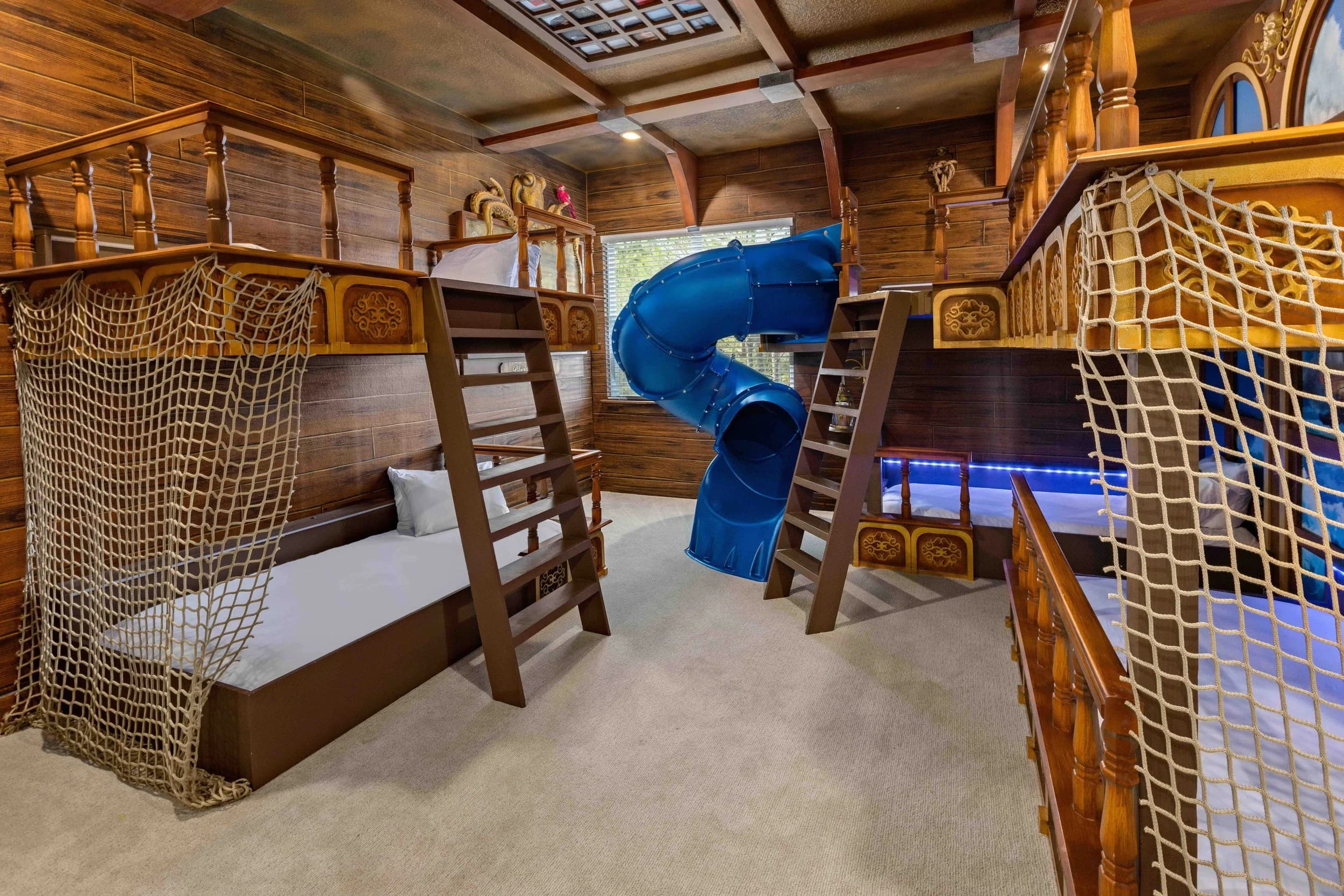
The moment you have something built, photography should lead. Real imagery does what renderings can't:
Builds trust, because buyers see the actual craftsmanship, materials, and finishes they'll receive.
Showcases the model home in true light, with genuine textures and authentic detail.
Documents completed amenities so buyers know the pool, clubhouse, and trails are real and ready.
Captures the community as it grows, including aerial progress imagery that proves momentum.
Once a model home is staged and finished, professional photography almost always outperforms a rendering for converting serious buyers, because it removes doubt.
The Hybrid Timeline That Works Best
For most new-construction marketing, the two tools hand off to each other over the life of the project. In pre-construction, lead with renderings for homes, amenities, and site plans. Once models are complete, bring in professional photography of the finished homes and keep renderings only for options and unbuilt features. As the community builds out, shift almost entirely to photography and aerial imagery. The mistake to avoid is staying in rendering mode too long — once you have beautiful finished homes, continuing to market with digital images leaves your strongest selling point, reality, on the table.
Renderings get a community to market before it's built; photography closes the deal once it is. Builders who time that handoff well market faster early and convert more confidently later.
Ready to book? Get in touch or call us — we serve Orlando, Tampa Bay, and Central Texas.