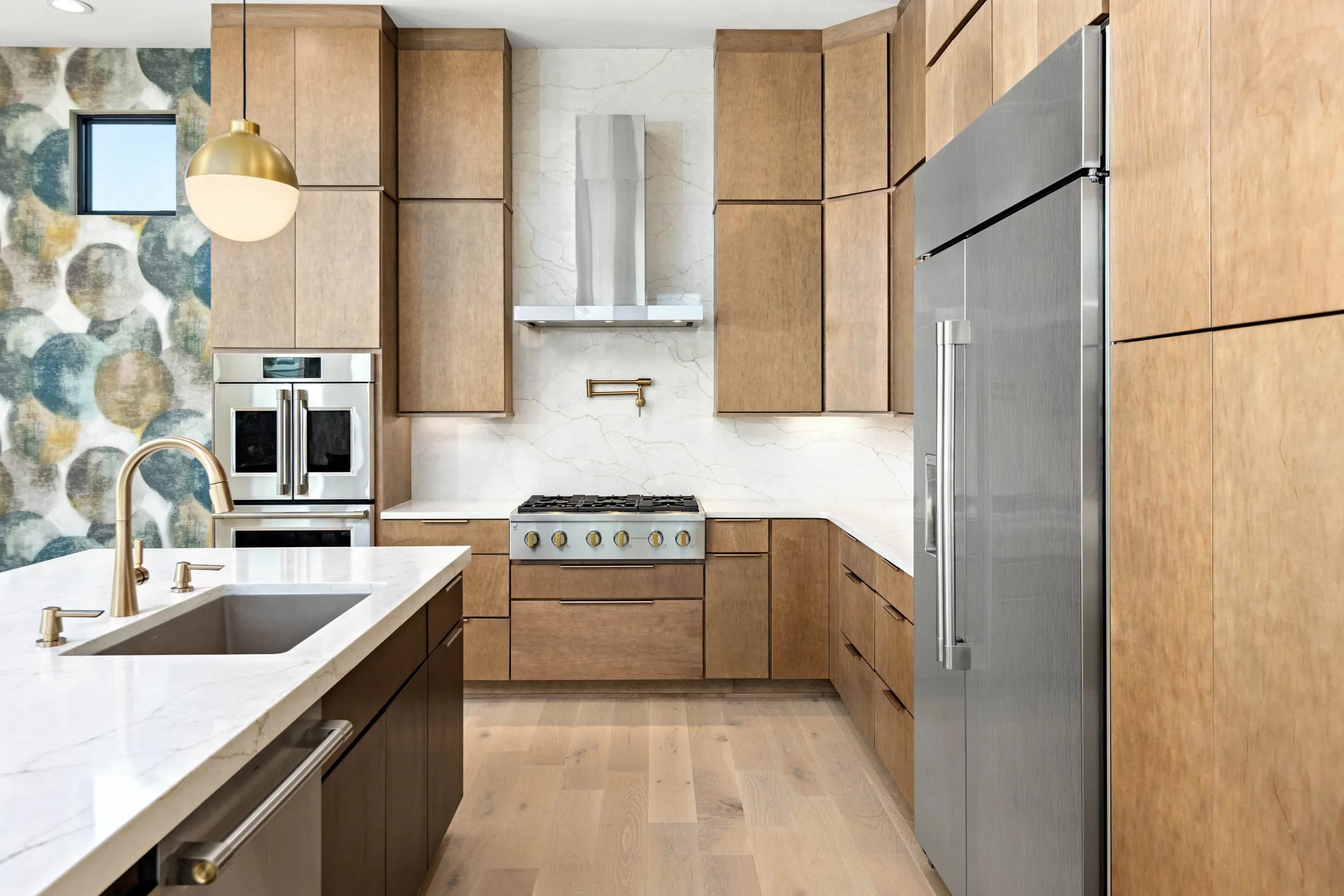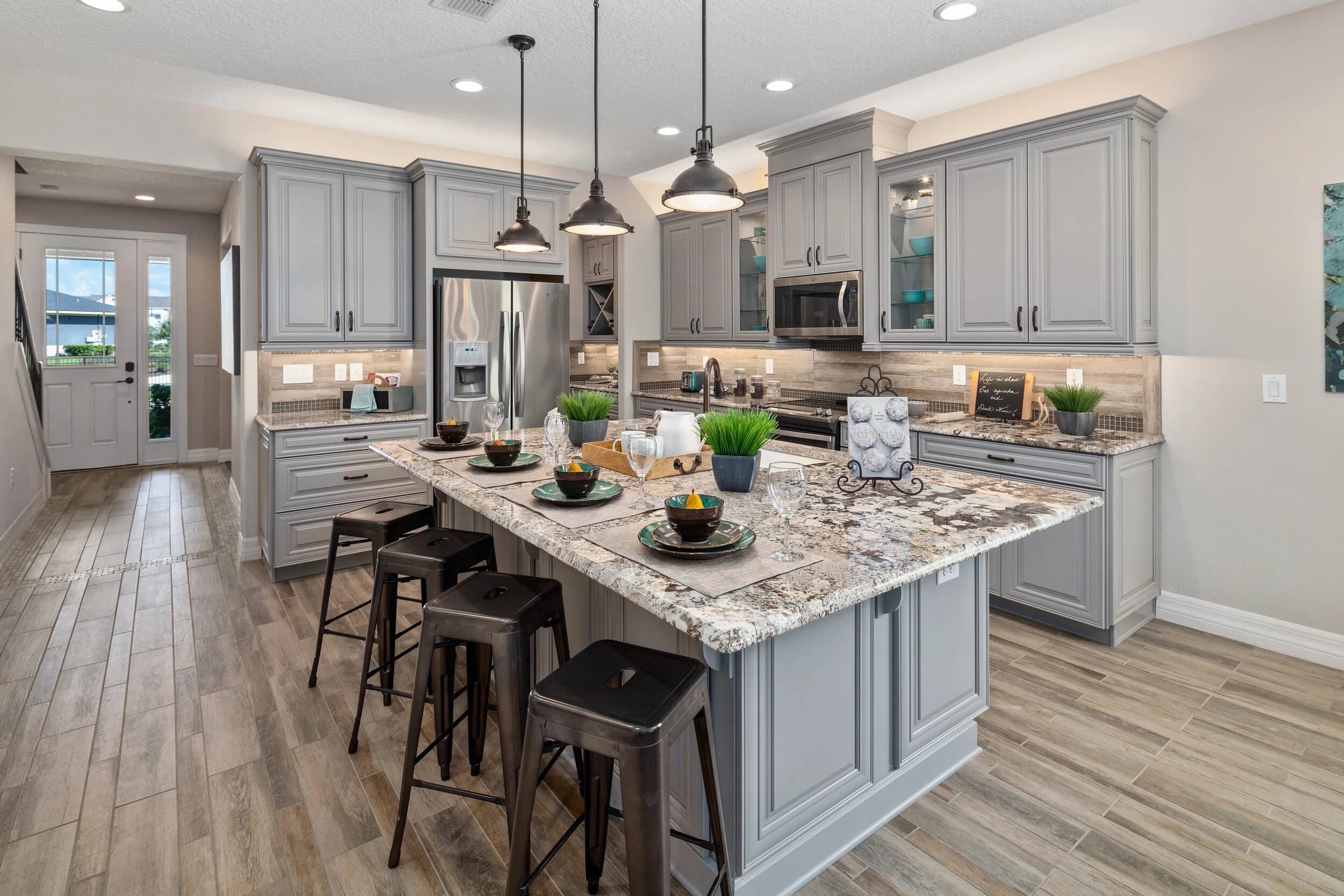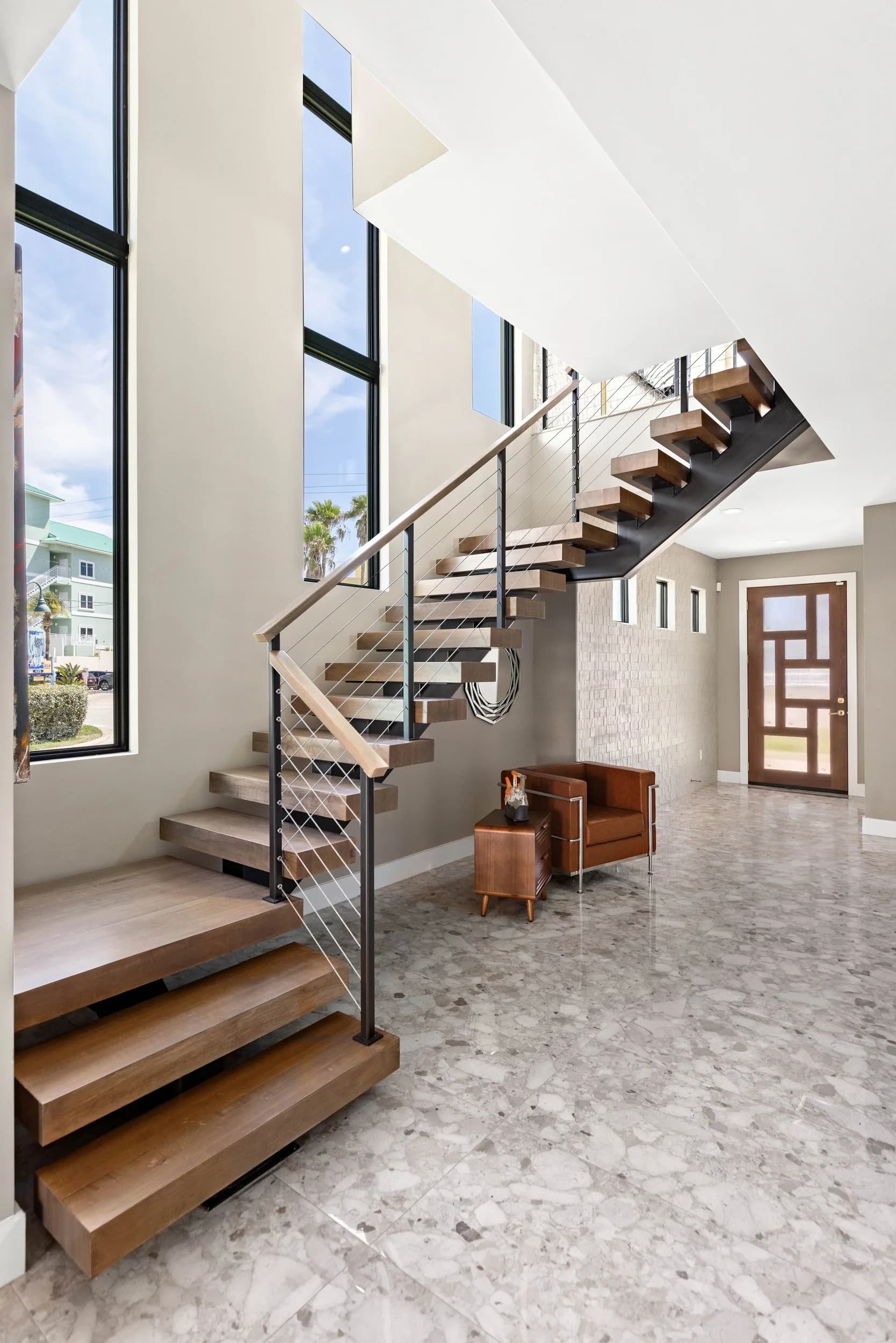
Virtual staging used to mean a human artist placing 3D furniture into your photo over a day or two. Now a model can do a version of it in seconds for a fraction of the price. That shift is real and it is not reversing.
It has also produced a lot of listing photos that do not survive a close look. Here is an honest assessment of where the technology is genuinely good, where it still breaks, and what to check before a staged image goes on the MLS.
Where AI staging is genuinely good now
Empty rooms with simple geometry. A rectangular living room with decent natural light and clear floor space is close to a solved problem. Results are frequently indistinguishable from traditional virtual staging.
Speed. Same-day turnaround is normal. For a vacant listing going live tomorrow, this matters.
Iteration. Trying three furniture styles costs almost nothing, so you can match staging to the likely buyer rather than defaulting to generic transitional furniture.
Cost. Per-image pricing has dropped far enough that staging every vacant room is now a reasonable default rather than a splurge.
Where it still fails
These are the failure modes we see most often, and they are consistent enough to check for directly.
Reflections. Mirrors, glass doors, television screens, and polished floors do not update to reflect the added furniture. A sofa that does not appear in the mirror behind it is the single most common tell.
Shadows and light direction. Added furniture often casts shadows in a different direction than everything else in the room, or casts none at all. In a bright Florida room with strong directional window light, this reads as wrong immediately.
Scale in odd rooms. Narrow rooms, angled walls, vaulted ceilings, and open-plan spaces still confuse models. Sofas end up too large, rugs float, and dining chairs come out child-sized.
Architectural drift. This is the serious one. Some models quietly alter the room while adding furniture. Baseboards change profile, window mullions shift, cabinet doors change count, outlets move or disappear. A WIRED investigation documented listings where AI edits produced missing kitchen cabinets and resized windows.
Edges and thresholds. Where flooring meets tile, or where a wall meets a ceiling, staged images often show smeared or wavering lines.
That fourth item is what separates a cosmetic problem from a compliance problem. Furniture that looks slightly off is an aesthetic issue. A window that changed size is a misrepresentation of the property.
The check that catches most of it
Before any AI-staged image goes live, put it side by side with the original at full size and compare, in this order:
Count things. Windows, cabinet doors, outlets, ceiling fan blades, recessed lights. The counts must match.
Check every reflective surface for furniture that should appear and does not.
Trace the shadows. Every shadow in the room should fall the same direction.
Look at the room edges, where floor meets wall and wall meets ceiling.
Confirm nothing permanent changed. Paint color, flooring, fixtures, counters, hardware.
That takes about ninety seconds per image and catches nearly everything that would embarrass you later.
What the rules require
In Stellar MLS, virtual staging is allowed within defined limits. You may alter furnishings that will not remain and remove items that are easily removable in real life. You may not swap out or remove permanent fixtures, change paint colors, or cover up material flaws. Staged images need to be disclosed.
Critically, an AI tool that changes something it should not have does not become acceptable because the change was unintentional. Responsibility sits with the listing agent and broker, not the vendor or the software. That is why the review step above is not optional.
Rules vary by MLS and change over time, so confirm the current standard with yours.
When to use a human instead
AI staging is the wrong tool in a few specific cases:
Occupied homes. Removing existing furniture and replacing it is much harder than filling an empty room, and results are noticeably worse.
Architecturally distinctive properties. Historic homes, unusual layouts, and high-end architecture reward a human who understands the space.
Luxury listings. At the top of the market, buyers and their agents look closely, and a tell costs you credibility precisely where credibility matters most.
Anything with complex reflections. Waterfront homes with walls of glass are a common Florida case where AI struggles.
The better answer for most listings
Worth saying plainly: staging a photo is a workaround for an empty room. It does not fix bad photography, bad light, or a bad angle. AI staging applied to a mediocre base image produces a well-furnished mediocre image.
The order of operations that actually works is: shoot the room properly, then stage it if it is empty, then disclose it. Not the reverse.
Ready to talk through your staging options? Get in touch or call us. We serve Orlando, Tampa Bay, Central Florida, and Central Texas.