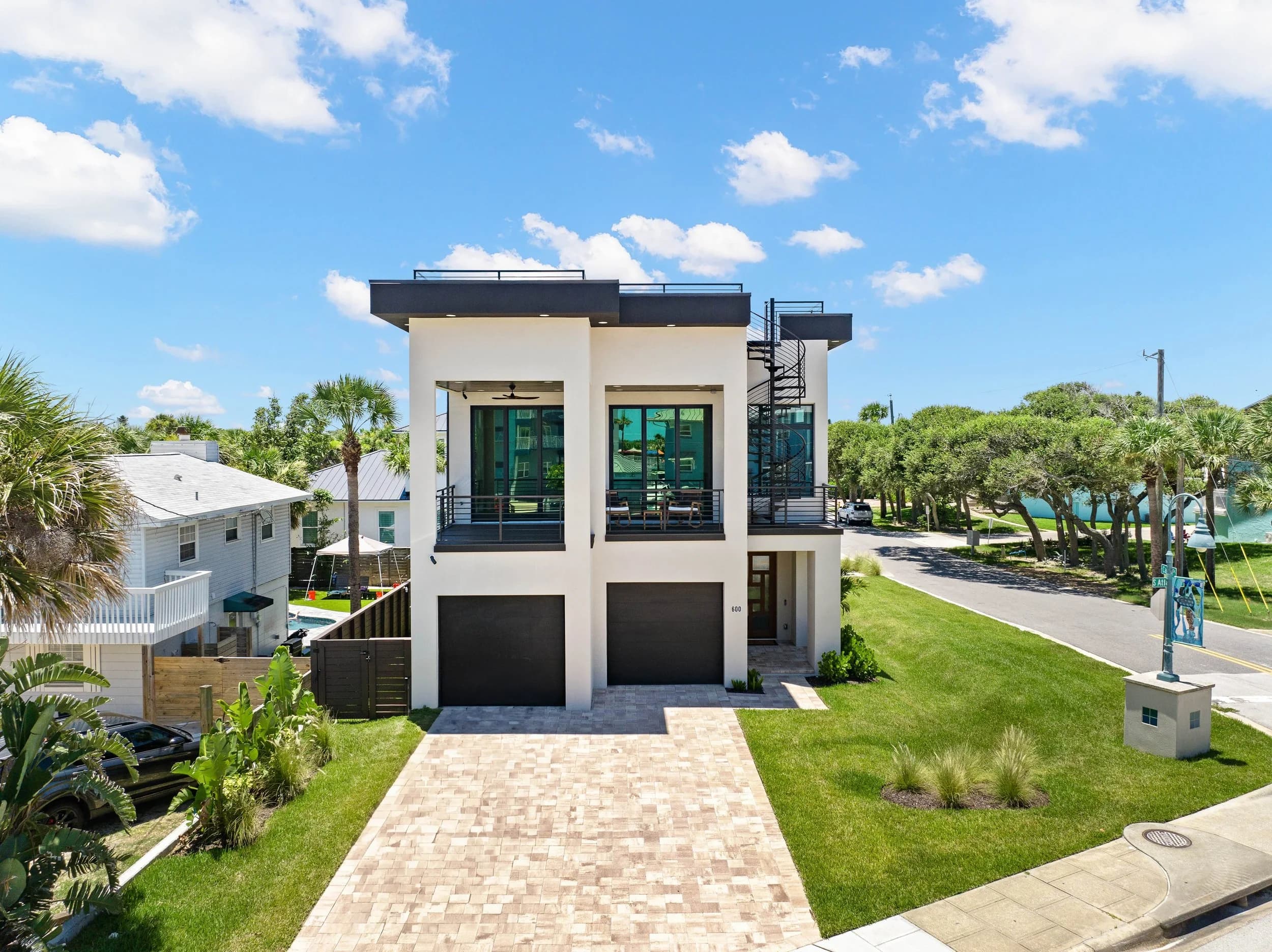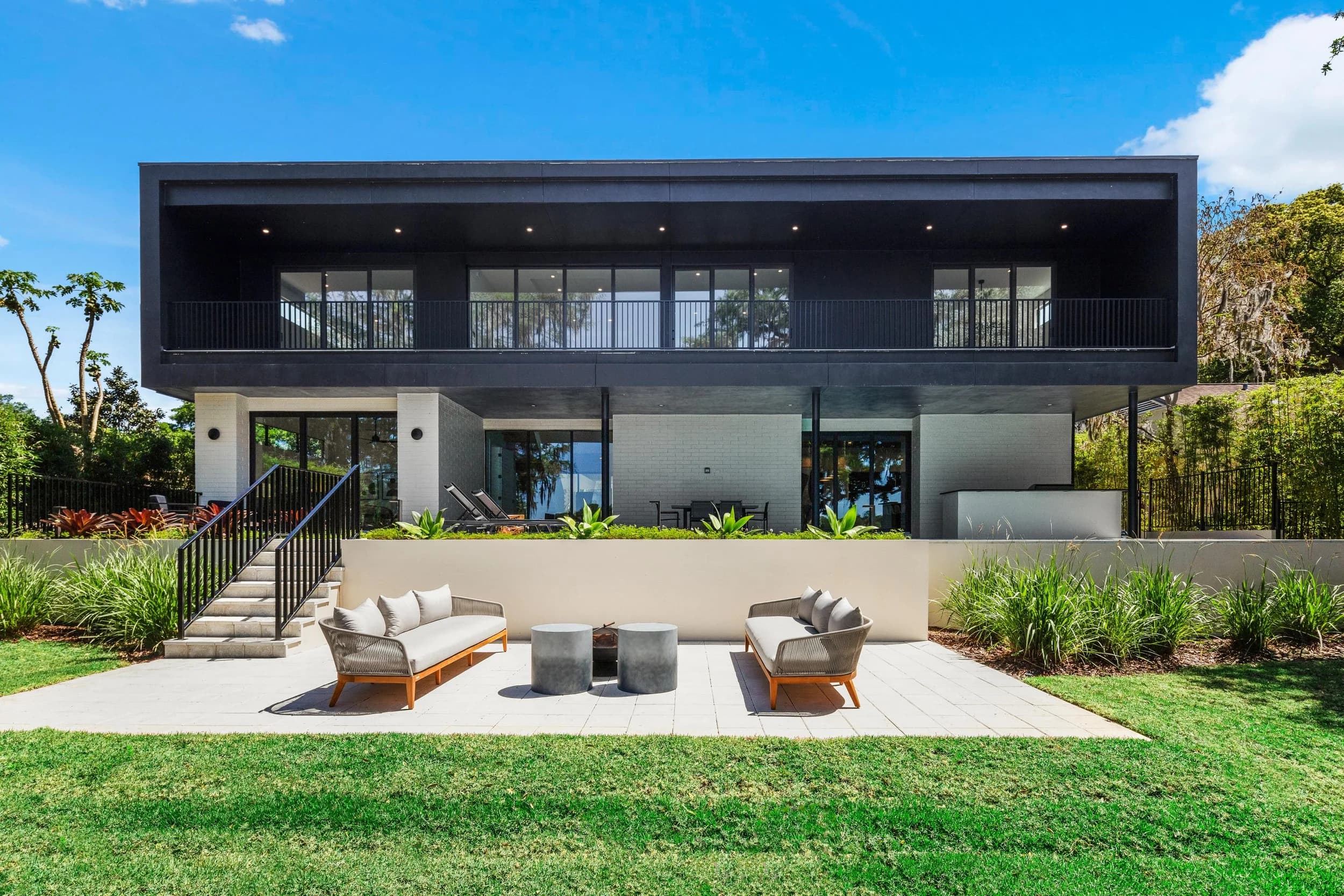
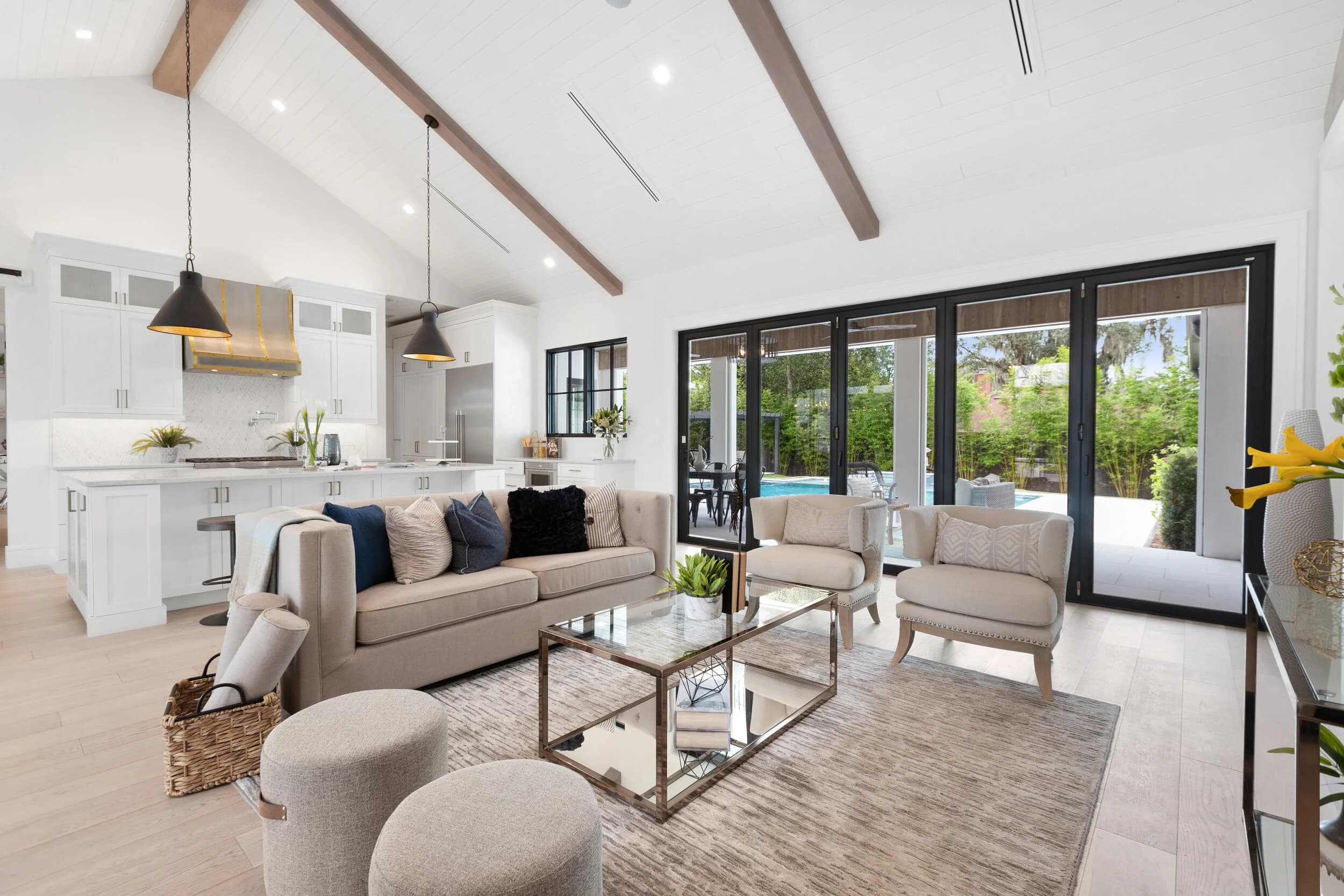
AI tools now touch almost every stage of listing photography, from sky replacement to fully generated furniture. Some of it is ordinary post-production. Some of it can get an agent into trouble.
The Standard Hasn’t Changed, Even Though the Tools Have
Every state real estate commission and the NAR Code of Ethics land in roughly the same place: marketing materials cannot be misleading about the property’s material characteristics. That standard predates AI by decades. What AI changed is how easy it is to cross the line accidentally.
A useful test: would a buyer who saw this photo and then walked the property feel deceived? If the answer is yes, the edit is a problem regardless of how it was produced.
That framing separates the two categories cleanly. Adjusting how a property looks under ideal conditions is presentation. Changing what the property is is misrepresentation.
Generally Accepted: Presentation Edits
These are widely used across Orlando and Tampa Bay listings and rarely draw objections:
Exposure blending and HDR. Balancing a bright window against a dim interior so the photo matches what the eye actually sees in the room.
Lens correction and vertical straightening. Fixing barrel distortion and keystoning from a wide-angle lens.
Color and white balance correction. Neutralizing a yellow cast from tungsten bulbs.
Sky replacement. Swapping an overcast sky for a clear one. This is the most-debated item on the list, but it’s near-universal and most MLSs permit it as long as the sky is plausible for the region and season.
Grass greening. Modest correction of a dormant or patchy lawn is common, though heavy-handed versions start drifting toward the other list.
Removing transient clutter. Trash bins, a garden hose, a car in the driveway, a stray cable.
Virtual twilight. Converting a daytime exterior to dusk. Widely accepted when disclosed, and increasingly expected to be labeled.
Virtual staging. Adding furniture to an empty room. Standard practice, and standard practice is also to disclose it in the caption.
Where It Goes Wrong: Condition and Feature Edits
These change the buyer’s understanding of what they’re purchasing:
Removing or repairing defects. Erasing water stains, cracked tile, roof damage, mold, or foundation cracks.
Deleting permanent structures. Removing a neighbor’s shed, a utility pole, power lines that dominate the lot, or an adjacent building.
Altering the view. Generating a water view that doesn’t exist, or removing the highway visible from the back deck.
Adding features. AI-generated pools, decks, outdoor kitchens, or landscaping presented as existing.
Fabricating rooms or square footage. Generative expansion that widens a room beyond its real dimensions.
Changing finishes. Turning laminate counters into quartz, or worn carpet into hardwood, without labeling it as a rendering.
Undisclosed generative fill. Wide-angle AI outpainting that invents architecture at the frame edges.
The riskiest category is the subtle one. Nobody argues about an obviously fake pool. The problems come from a photo where AI quietly cleaned up a stained ceiling — the buyer doesn’t notice until the inspection, and then the listing photos become evidence in an unpleasant conversation.
Disclosure Is the Cheapest Insurance Available
Most disputes disappear with a caption. Common practice:
Virtually staged photos: Virtually staged
Dusk conversions: Virtual twilight
Renderings of proposed finishes: Rendering, not actual condition
New construction marketing imagery: Artist’s rendering
Builders in Central Florida and Central Texas have done this for years on pre-sale collateral, and it works. Agents adopting the same habit on resale listings are protecting themselves at zero cost.
Also worth knowing: some MLSs now have explicit AI-imagery rules, and several portals have begun flagging or labeling suspected generated content. The compliance floor is rising, not falling.
What This Means for Choosing a Photographer
A professional shop should be able to tell you exactly what it does and does not do in post, in one sentence, without hedging. Reasonable questions to ask:
Do you replace skies, and do you keep the result seasonally plausible?
Do you ever remove permanent objects from a frame?
Is virtual staging labeled on delivery, or do I need to add that?
Do you use generative fill to widen frames?
Who owns the edited files, and what are my usage rights?
The honest answer to most of these is boring, which is the point. The value of professional real estate photography in a market like Orlando or Tampa isn’t clever editing — it’s getting the light, the angles, and the sequencing right in-camera so the property looks its best without needing to be reinvented afterward.
AI belongs in the workflow. It just belongs on the presentation side of the line, not the condition side.
Ready to book? Get in touch or call us — we serve Orlando, Tampa Bay, and Central Texas.