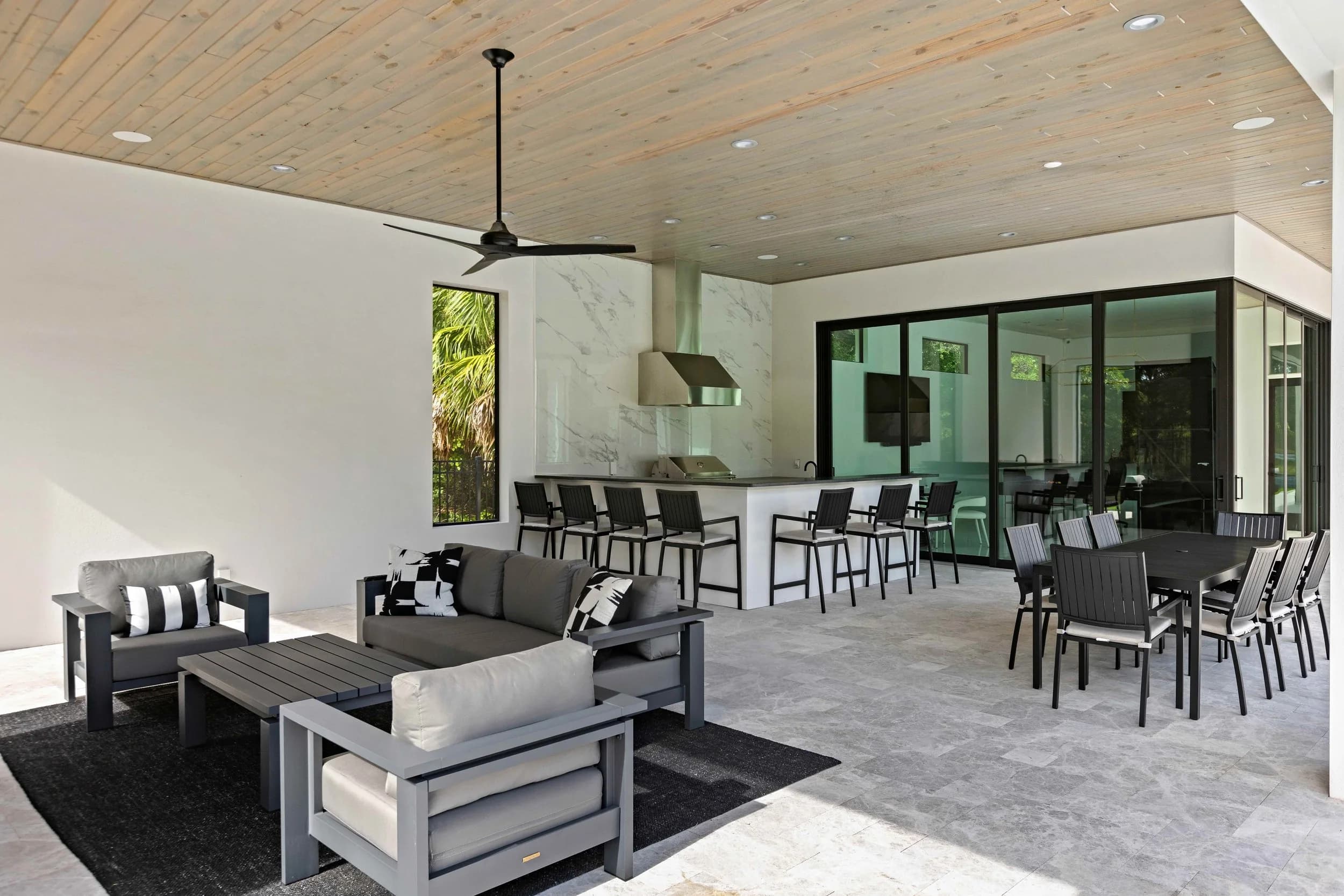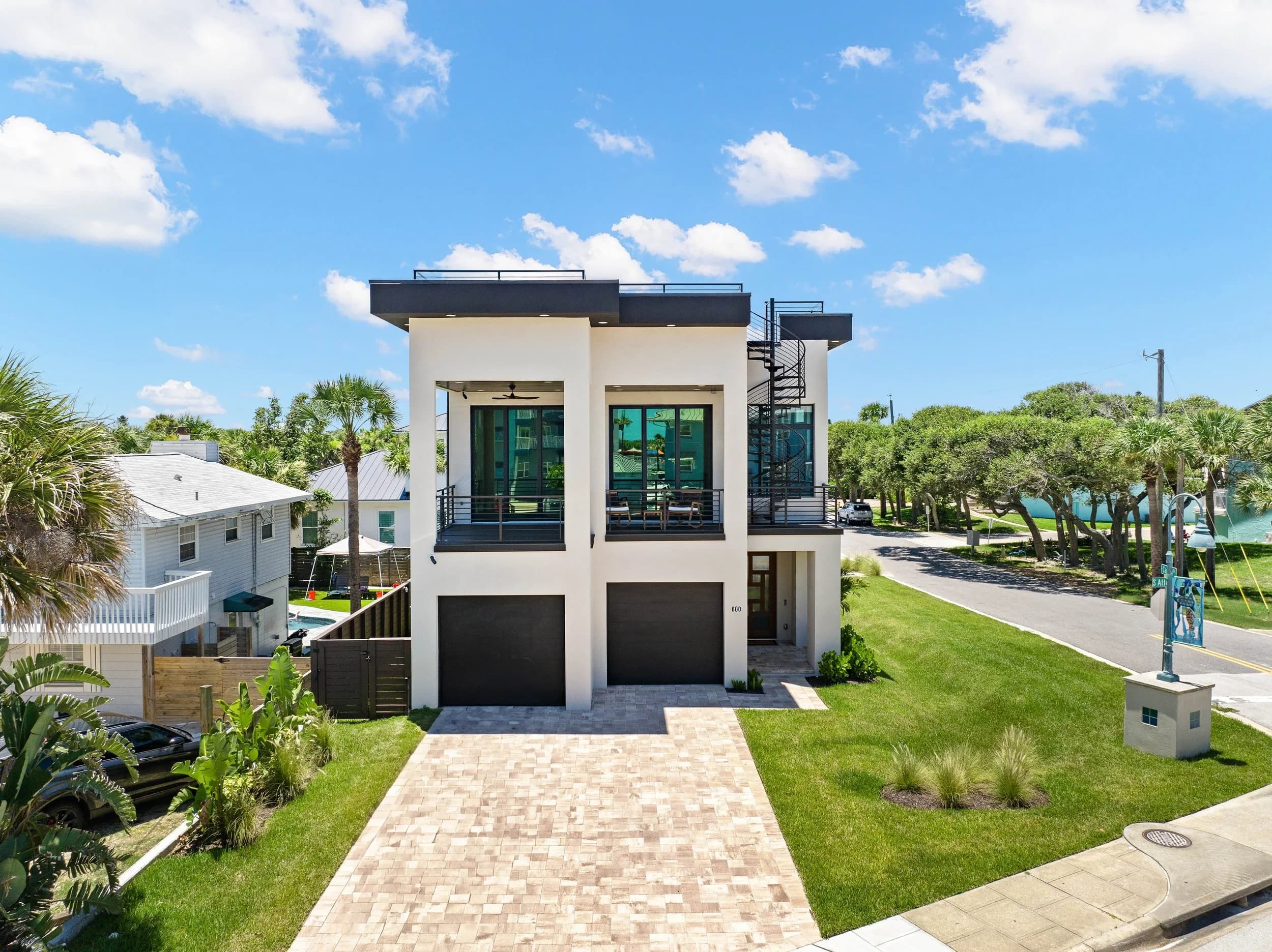
Upload your listing photos, get a description back. It is fast, it is often decent, and it is now built into a growing number of the tools agents already use.
It also produces a specific category of error that is worth understanding before you paste the output into the MLS.
Where it genuinely helps
Beating the blank page. Getting a structured first draft in thirty seconds is a real time saving on a task most agents dislike.
Consistency across listings. If you carry a house style, a well-prompted model will hold it more reliably than you will at 9 p.m. on a Friday.
Length variants. MLS remarks, a single-property site paragraph, an Instagram caption, and an email blurb from the same source material. This is where the leverage actually is.
Feature capture. Models are good at noticing and naming things in photos that you might skip, crown molding, tray ceilings, the type of countertop.
The errors that matter
Here is the pattern to understand: models describe what an image looks like, not what is true about the property. Those diverge in predictable ways.
Invented features. The most common failure. A model sees a stainless dishwasher panel and writes stainless steel appliance package. It sees a tiled shower and writes spa-inspired en suite with soaking tub when there is no tub. It adds granite countertops when the counters are quartz, or hardwood floors when they are luxury vinyl plank. Flooring and countertop material are the two most frequent errors we see, and both are material facts buyers rely on.
Confident guessing about systems. Descriptions confidently reference updated HVAC, newer roof, or impact windows based on nothing visible. A model cannot see the age of a roof from a photo.
Square footage and room counts. Do not let generated copy state either. Both come from records, not images.
Fair housing problems. This is the serious one. Models trained on general web text will happily produce phrasing that violates fair housing guidance, describing neighborhoods in terms of who lives there, referencing family-friendly, safe neighborhood, walking distance to churches, or characterizing schools in ways that function as proxies for protected classes. This is the error most likely to create actual legal exposure, and it is the one agents skim past because the sentence sounds pleasant.
Location claims. Minutes from downtown, walking distance to the beach, and school assignments get asserted without verification. School zoning in particular changes and should never be stated from a model guess.
The review that catches it
Read every generated description against a simple test: for each factual claim, can I point to where I know that is true?
Specifically verify:
Every material named. Flooring, counters, cabinetry, roofing.
Every appliance claimed, and whether it conveys.
Every system or age claim. Delete anything you cannot document.
Square footage, bed and bath counts, lot size, year built. From records.
School references. From current district assignment, with a verify-independently caveat.
Distance and time claims.
Any language describing the neighborhood or likely occupants. This is the fair housing pass and it deserves its own read.
Then read it once more purely for fair housing, because that error hides inside otherwise good writing.
Prompting that reduces the problem
Most of the failure modes are reducible with better instructions:
Describe only what is clearly visible. Do not infer materials, ages, or systems.
Do not mention schools, neighborhood demographics, safety, or who the home would suit.
Do not state square footage, room counts, or year built.
If you are uncertain about a material, describe the appearance instead of naming the material.
Write in plain language. No superlatives.
That last one matters more than it sounds. The default register of AI listing copy is breathless, and breathless copy reads as generic precisely because everyone AI produces it.
The thing AI cannot do
A model can describe a kitchen. It cannot tell a buyer that this is the only floor plan in the community with the extended lanai, that the lot backs to conservation rather than another home, or that the seller is motivated because they have already closed on their next house.
That context is what actually differentiates a listing, and it comes from the agent. The best workflow uses AI for the structural description of what is visible and reserves your own writing for what only you know.
Who is responsible for the copy
You are. A description generated by software and published under your listing is your representation, exactly as with edited photos. Vendors and tools do not carry that duty.
This is general information rather than legal advice. Fair housing guidance and MLS content rules vary, so confirm with your broker.
Ready for photos worth writing about? Get in touch or call us. We serve Orlando, Tampa Bay, Central Florida, and Central Texas.