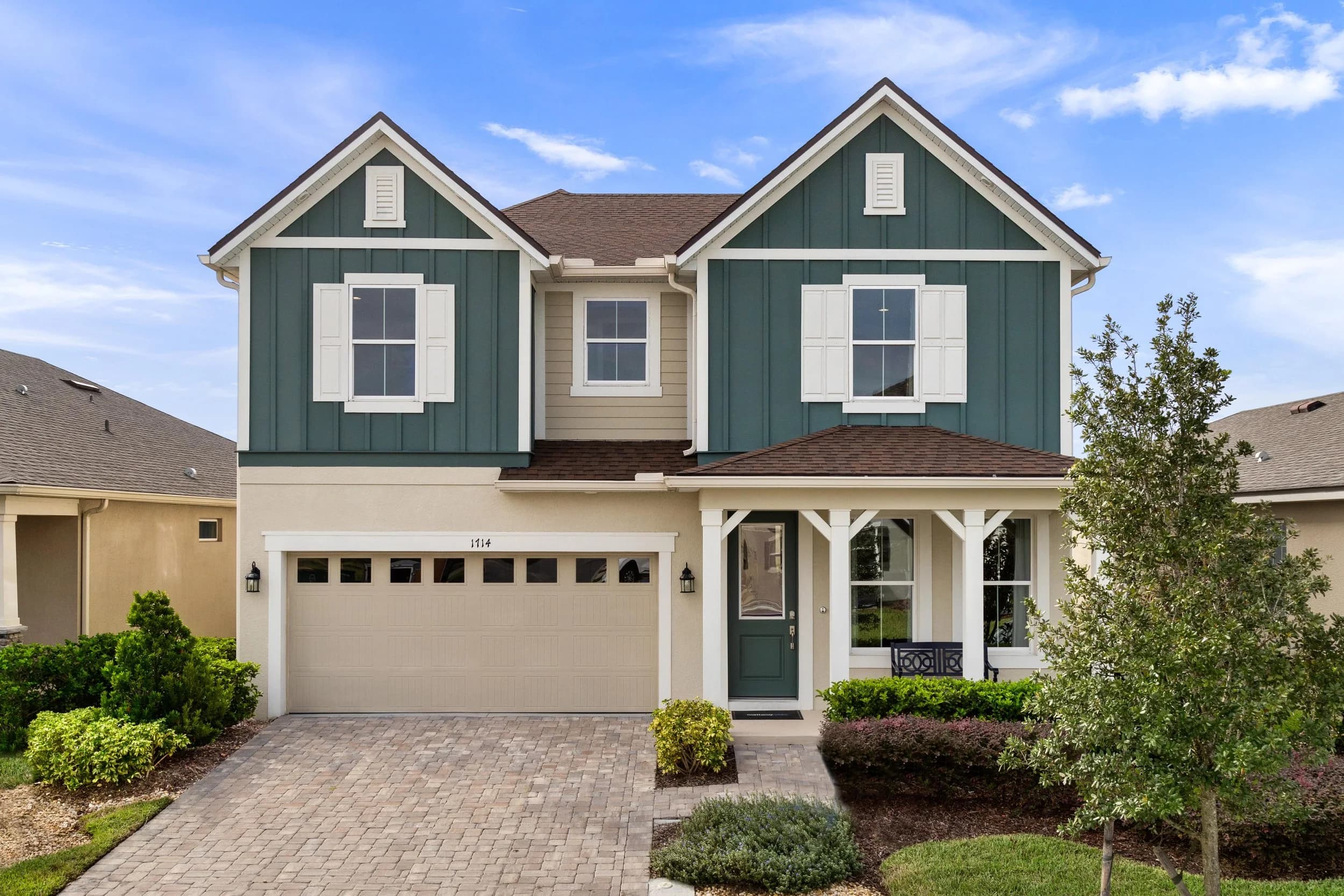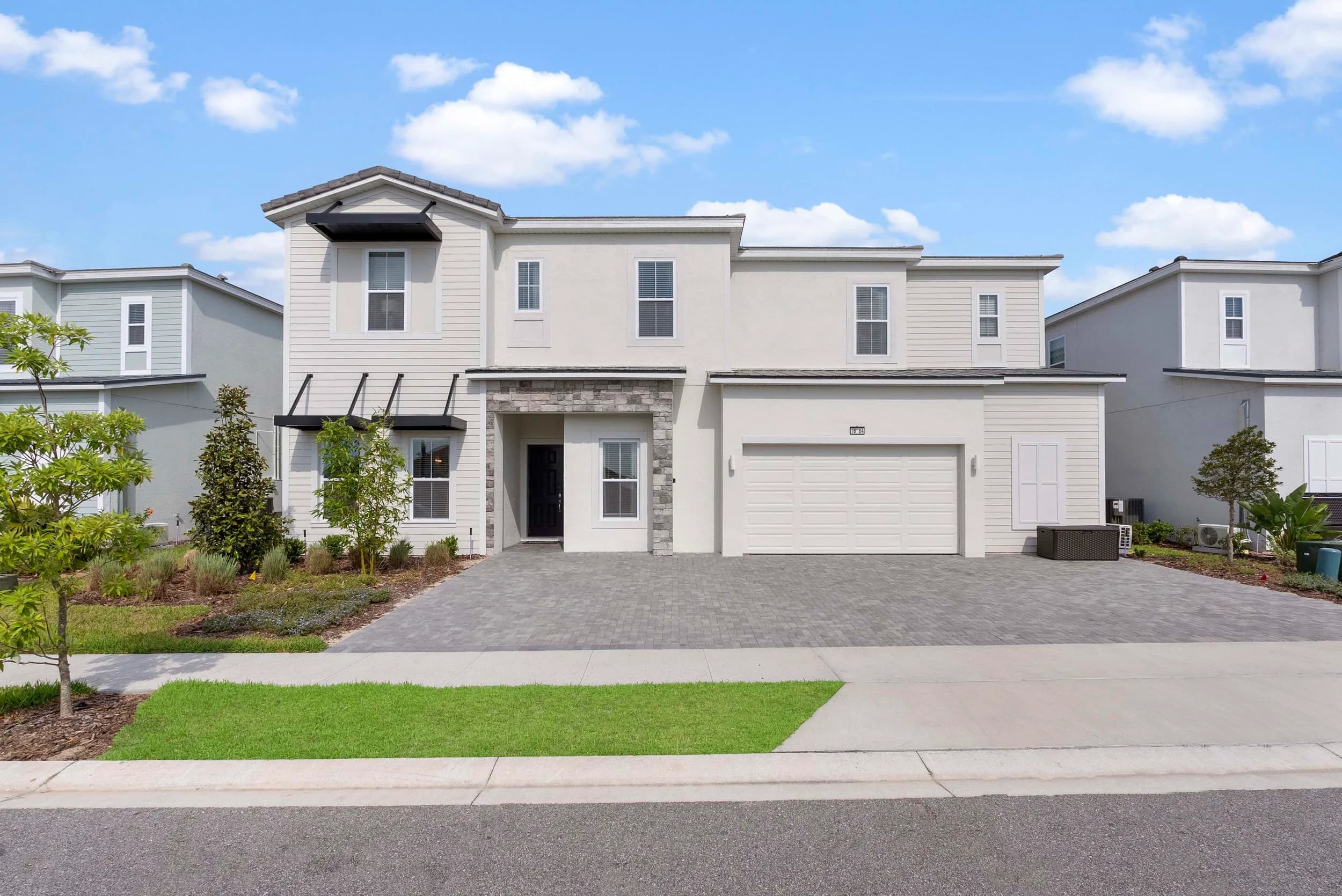
Most agents treat listing photography as a cost of selling one house. The photos go up, the house sells, the gallery goes quiet. That is a real waste, because a sold listing is the most persuasive marketing asset an agent owns. It is proof of work rather than a claim about it.
Here is how to keep those images earning, and what the licensing usually allows.
First: know what you actually bought
Real estate photography is almost always licensed, not sold outright. The photographer retains copyright; you receive a license to use the images in defined ways.
Standard residential licenses typically cover marketing that specific property while it is for sale, plus the agent own promotional use of their work. What they often do not automatically cover:
Use by the seller, the buyer, or the next agent to list the home
Use by a third party such as a builder, stager, or designer who was involved
Resale of the images
Use in paid advertising, depending on the agreement
Before building a post-sale plan, read your license or ask your photographer directly. Most are happy to clarify, and many will extend terms for a small fee. At JRP we spell this out at booking specifically so this question does not come up later.
Build a sold portfolio, not a scrapbook
The single highest-return use is a properly organized sold portfolio. Not a folder on your desktop, but a public, browsable body of work.
What that looks like in practice:
A Sold section on your website, organized by neighborhood or price band, with three to five of the strongest images per property
Sale details attached, where your MLS rules permit: list price to sale price, days on market, and anything notable about the outcome
Neighborhood grouping, because that is how sellers search. An agent with twelve sold homes in one Orlando community is the obvious choice for the thirteenth.
Sellers hire based on evidence. A portfolio of thirty well-photographed sold homes does more listing-appointment work than any brochure.
Listing presentation material
Your listing presentation should show what a seller home will look like when you market it. That means real images from real listings you handled, not stock.
Two things make this land:
Show the same property before and after if you had it professionally shot after a poor prior gallery. Nothing explains the value of professional photography faster.
Show comparable homes. A seller with a 1980s pool home wants to see your 1980s pool homes, not your Lake Nona new build.
Social content that is not just JUST SOLD
The sold-listing post is a genre, and most of them are ignored because they are about the agent rather than the reader. The images work harder when the post gives the viewer something:
Neighborhood spotlights built from exterior and aerial images across several sold homes in one community
Design and renovation content, a single strong kitchen or bathroom image with a note about what made it work
Market context posts using your own imagery instead of graphics
Before-and-after prep content showing what the seller did to get the home ready
The aerials tend to be the most reusable asset of all, since they show the community rather than the house and stay relevant long after the individual listing is stale.
Do not use them for the next listing
This is the one to be careful about. When the same home comes back on the market, a relisting, a flip, an expired listing you win from another agent, the old photos are not automatically yours to use.
Two separate issues:
Licensing. If another agent commissioned those photos, they are licensed to that agent. Using them can be a copyright problem.
Accuracy. Homes change. Photos that no longer represent the current condition create real disclosure risk, and buyers who arrive at a showing expecting the old kitchen are not happy.
If you win a listing that was previously marketed with good photography, the clean answer is to commission your own.
Archive properly
Photographers do not store your images forever. Most keep files for a defined period and then clear them. Delivery links expire, often within 30 to 90 days.
Set a simple habit:
Download the full-resolution files at delivery, not at closing
Store them in cloud storage organized by year and address
Keep the original full-size files, not the MLS-compressed versions
Save the license terms alongside the images
The full-resolution originals matter. When you later want a print piece, a sign, or a large-format display, the MLS version will not hold up.
A note for teams and brokerages
If you run a team, the portfolio question becomes an asset question. Decide early whether images belong to the individual agent or the team, and make sure your photography agreements reflect that. Agents leave; the imagery of the homes they sold under your brand should not become a dispute.
Ready to build a portfolio worth showing? Get in touch or call us. We serve Orlando, Tampa Bay, Central Florida, and Central Texas.