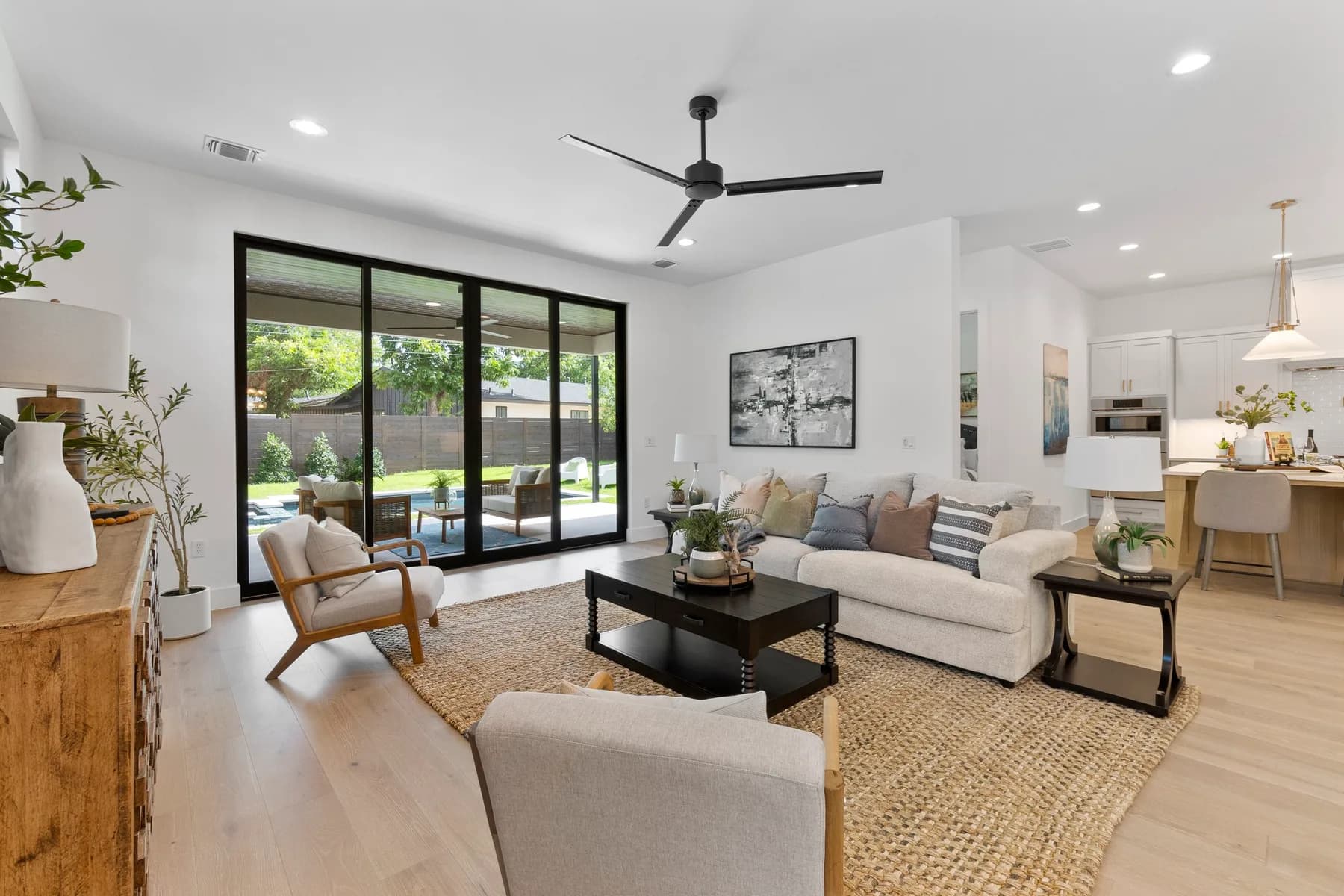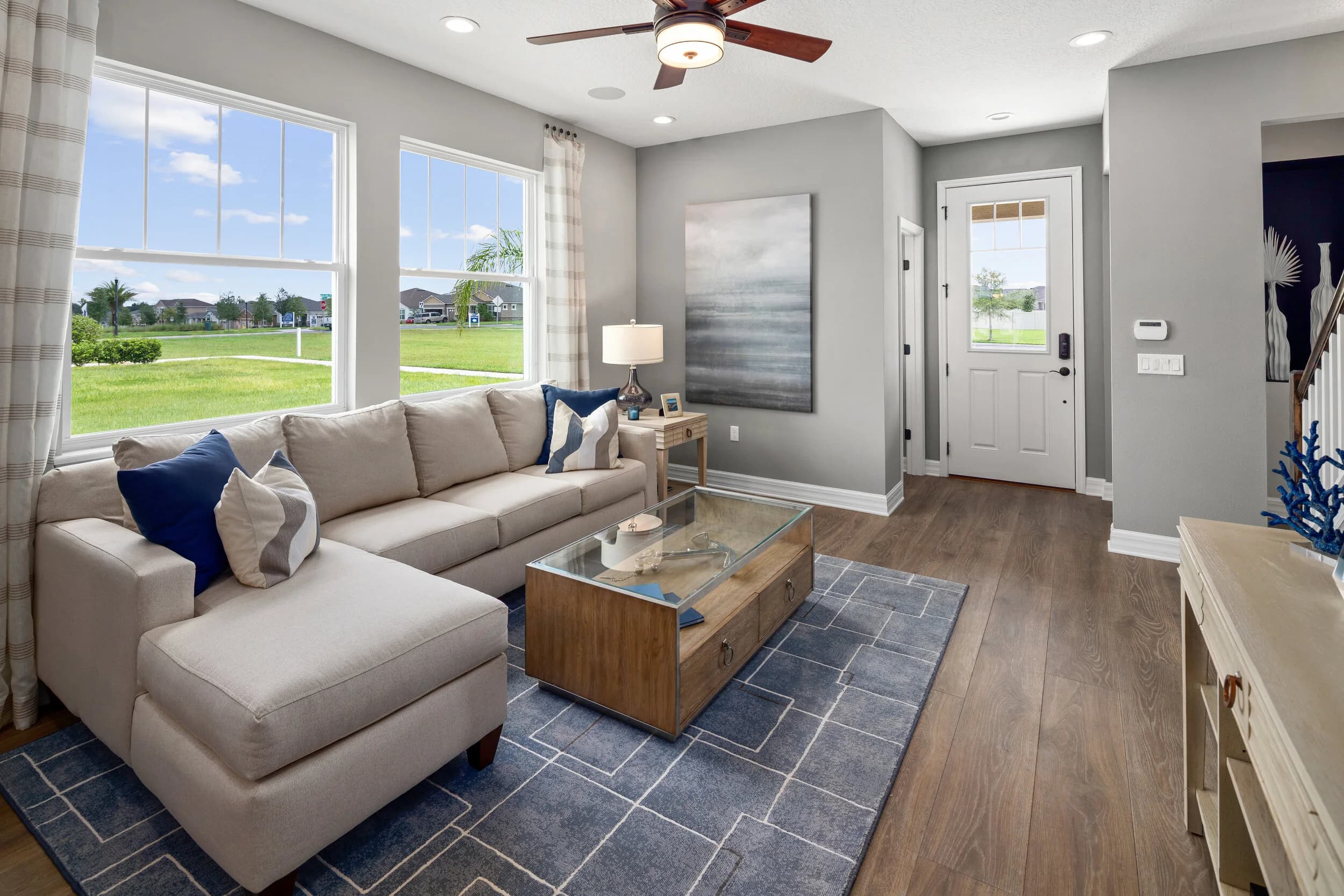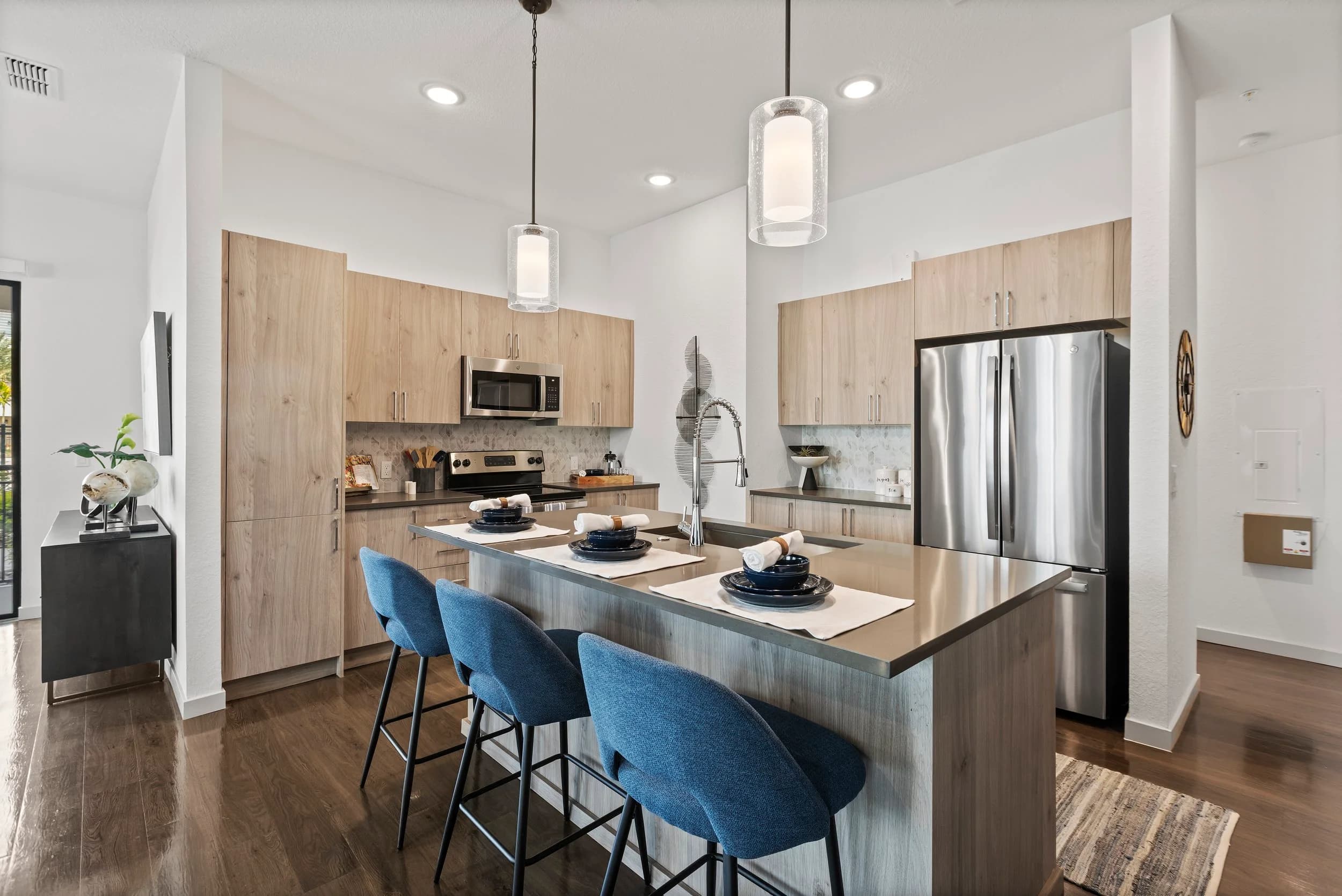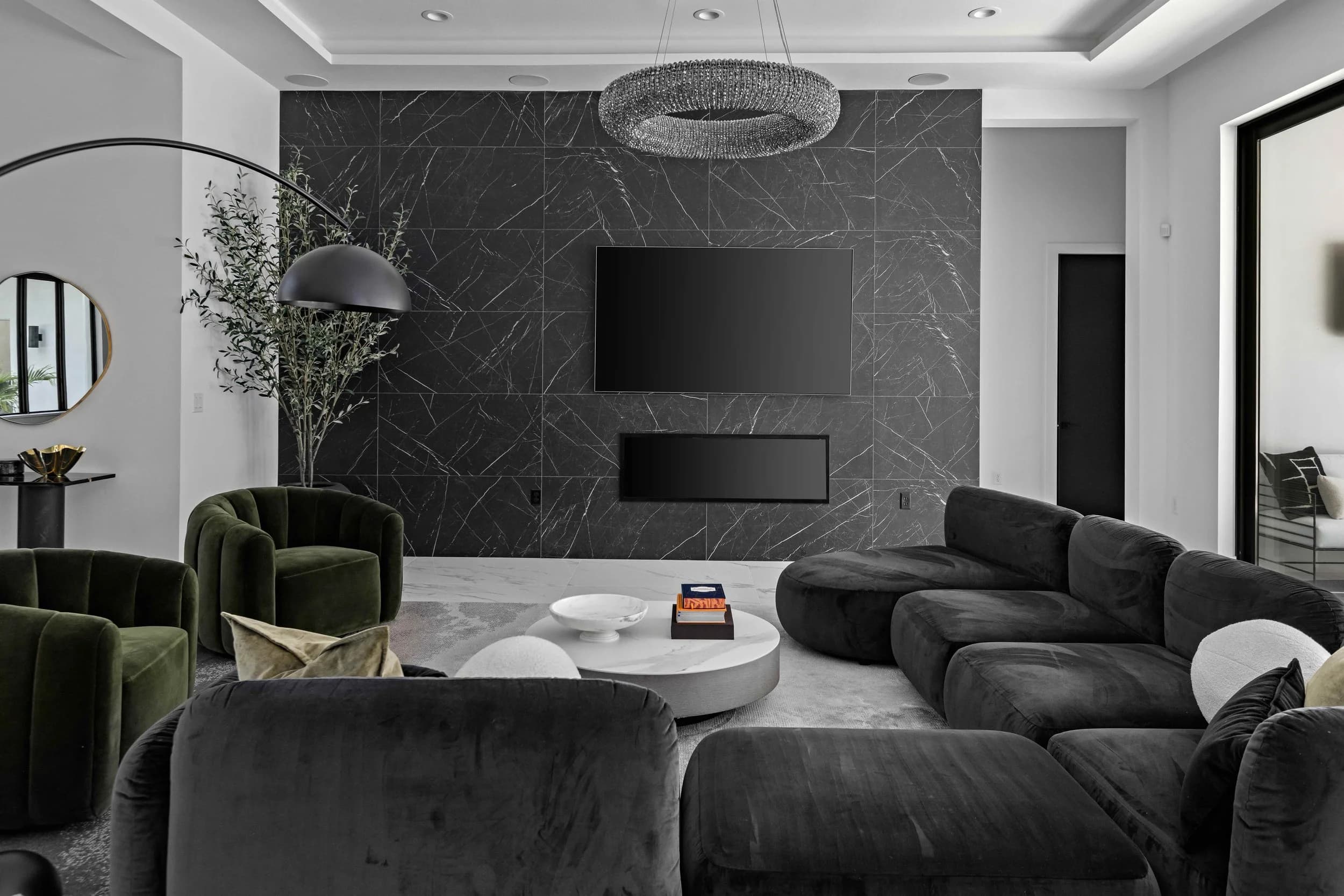
Not every home backs up to a lake. Some back up to a retention pond, a storage facility, or the neighbor's above-ground pool. Here's how a professional shoot handles difficult surroundings honestly — without pretending they don't exist.
The Situations That Come Up Most
In Orlando, Tampa, and across Central Texas, the recurring offenders are pretty consistent:
Power lines and utility poles running directly across the front elevation
A neighbor's roofline, RV, boat, or trailer dominating the side yard
Busy roads where the home sits close to four lanes of traffic
Retention ponds and drainage easements that photograph as flat brown water
Commercial buildings, self-storage, or a strip center just past the back fence
Construction next door — extremely common in newer Florida and Texas communities
A neighboring house in visible disrepair, which sellers find the most stressful of all
None of these are deal-breakers. Plenty of these homes sell quickly and at full price. But the photography has to be planned rather than improvised, because the default approach — walk up, shoot the front, shoot the back — will put the problem in the middle of the frame.
What a Photographer Can Genuinely Control
Most of the fix happens at capture, not in editing. The tools are ordinary and legitimate:
Angle. Moving fifteen feet left or shooting from a slightly different position along the driveway will often swing a utility pole out of frame entirely. This is the single most effective lever.
Height. Dropping the camera lower puts a fence line between the lens and what's behind it. Raising it slightly can clear a hedge and hide the roofline behind it.
Framing. A tighter composition on the entry, the porch, or the architectural detail tells the story of the house without surveying the block.
Time of day. Shooting the back yard in the morning when the neighboring building is in shadow — instead of at 2 p.m. when it's the brightest object in the frame — changes where the eye goes.
Depth of field and focal length. A longer lens compresses and softens a distant background; a wide lens shoves everything into the picture.
Sequencing. Even a challenging property has strong photos. Lead with them. A buyer who's already interested by photo six evaluates photo fourteen differently.
Twilight deserves a specific mention. Dusk is the most forgiving light there is for a difficult setting. Background clutter falls into shadow, warm interior light pulls attention to the home, and a good sky does a lot of work. On homes with a rough backdrop, a twilight exterior is frequently the strongest image in the gallery.
What Crosses the Line
There's a clear boundary between careful framing and misrepresentation, and it matters legally as well as ethically.
Fine: choosing an angle, cropping, waiting for better light, replacing a blown-out sky with a natural one, and leading with the home's best features.
Not fine: digitally erasing power lines that sit directly over the property, removing a neighboring structure, deleting a road that borders the lot, or editing out a permanent feature a buyer would reasonably expect to see. If a buyer would feel misled walking up to the house for the first time, the edit went too far.
The practical test we use: framing decides what you show; editing shouldn't change what's there. A buyer who tours a home and finds the reality matches the photos will keep working with you. A buyer who feels tricked leaves, and tells their agent why.
Where Drone Helps — and Where It Makes Things Worse
Aerial photography is a double-edged tool on these listings.
It helps when the property's context is better than its immediate surroundings — a home a block from a lake, one backing to a preserve just past a plain fence line, or a lot whose real story is acreage you can't see from the street. It also helps for showing proximity to amenities, schools, and highways.
It hurts when the problem is scale. A drone frame flattens everything into a top-down view, and a top-down view is exactly how you make a retention pond, a storage yard, or a construction site impossible to miss. If the challenge is what's behind the fence, low altitude and tight framing serve the listing better than a 200-foot orbit — or you skip aerials entirely and put the budget into twilight and interiors.
For listings we know are difficult, we'll often fly briefly, review on site, and only deliver aerials if they help. That decision is easier to make with the drone in the air than from a phone call the week before.
Set the Seller's Expectations Before the Shoot
The conversation nobody wants to have is the one after delivery, when a seller asks why the pole is in the photo. Have it beforehand instead — it takes two minutes.
Tell the seller three things: we'll frame around it wherever we can, we won't remove permanent features digitally because that creates liability for you and for them, and the gallery will lead with the home's genuine strengths. Most sellers are relieved. What upsets people is being surprised, not the pole itself.
It's also worth reminding them that the buyer for this home has almost certainly already seen the street on satellite view. Buyers arrive better informed than they used to. The photos aren't hiding anything — they're deciding whether the buyer bothers to look.
The Takeaway
A hard view is a composition problem, not a photography problem. Angle, timing, sequencing, and honest editing will carry almost any listing, and twilight will carry the rest. What sinks these listings isn't the pond behind the fence — it's a gallery that was shot on autopilot.
Ready to book? Get in touch or call us — we serve Orlando, Tampa Bay, and Central Texas.