Some homes sit fifty feet from a six-lane road, back onto a shopping center loading dock, or share a rear fence with a self-storage facility. The listing still has to be photographed honestly, and the gallery still has to give buyers a reason to come see it.
Concealment Is the Strategy That Actually Fails
The instinct is to shoot around the problem — frame away from the road, crop out the commercial roofline, skip the backyard entirely. It does not work, for a specific reason: buyers check the map.
Anyone seriously considering a home opens satellite view before scheduling a showing. The highway, the strip center, the substation, the school pickup lane — all of it is visible in about four seconds. A gallery that pretends none of it exists does not hide anything. It just tells the buyer the agent was willing to be misleading, and now they are wondering what else the photos left out.
The homes that sell well despite a difficult surrounding are the ones whose marketing acknowledged it and moved the conversation to what offsets it.
Find the Buffer and Photograph It
Almost every one of these properties has something between the house and the problem. That buffer is the most important thing in the gallery.
Fencing and walls. A masonry wall along a rear property line is a genuine asset on a road-adjacent lot. Photograph it at full height with something for scale, and shoot from the yard looking at it rather than from the road looking in.
Mature landscaping. A row of established oaks, a hedge line, or a stand of palms does real work visually and acoustically. Show it in leaf, and show how much of the sightline it covers.
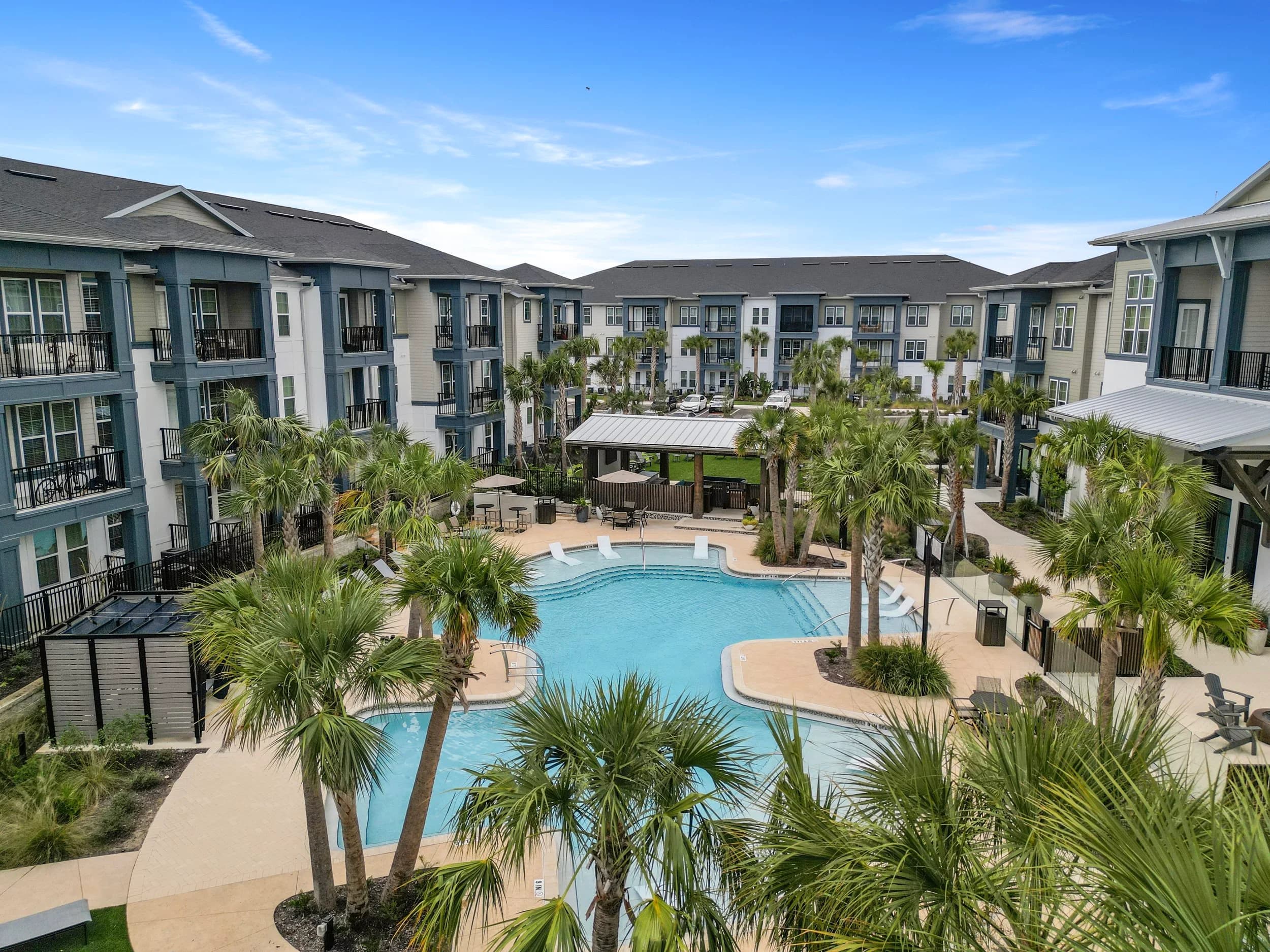
Distance and grade. If there is a berm, a retention pond, a drainage easement, or simply a deep lot between the house and the road, an aerial makes that distance legible in a way no ground shot can.
Orientation. Many road-adjacent homes are built with the living spaces facing away. If the primary suite, the lanai, and the great room all face the quiet side, the gallery should make that obvious.
Use Drone Deliberately, Not Defensively
Aerial is a double-edged tool here. A high wide shot shows the buyer everything, including the thing you would rather they not focus on. But a carefully chosen altitude and angle can show the buffer, the lot depth, and the orientation all at once, which is exactly the argument you want to make.
The approach that holds up: fly high enough to show context honestly, then choose a heading that puts the home in the foreground and the commercial neighbor in the background at real scale. That frame answers the map question before the buyer asks it, and it does so on your terms. Skipping aerial entirely on a property where the surroundings are the obvious question reads as avoidance.
In Orlando and Tampa Bay, much of this inventory sits in controlled airspace near the airports, so authorization gets handled before shoot day.
Shoot the Interior Like the Outside Does Not Exist
This is where the listing is actually won. A buyer who accepts the location is buying the inside of the house, and the interior set should be the strongest part of the gallery.
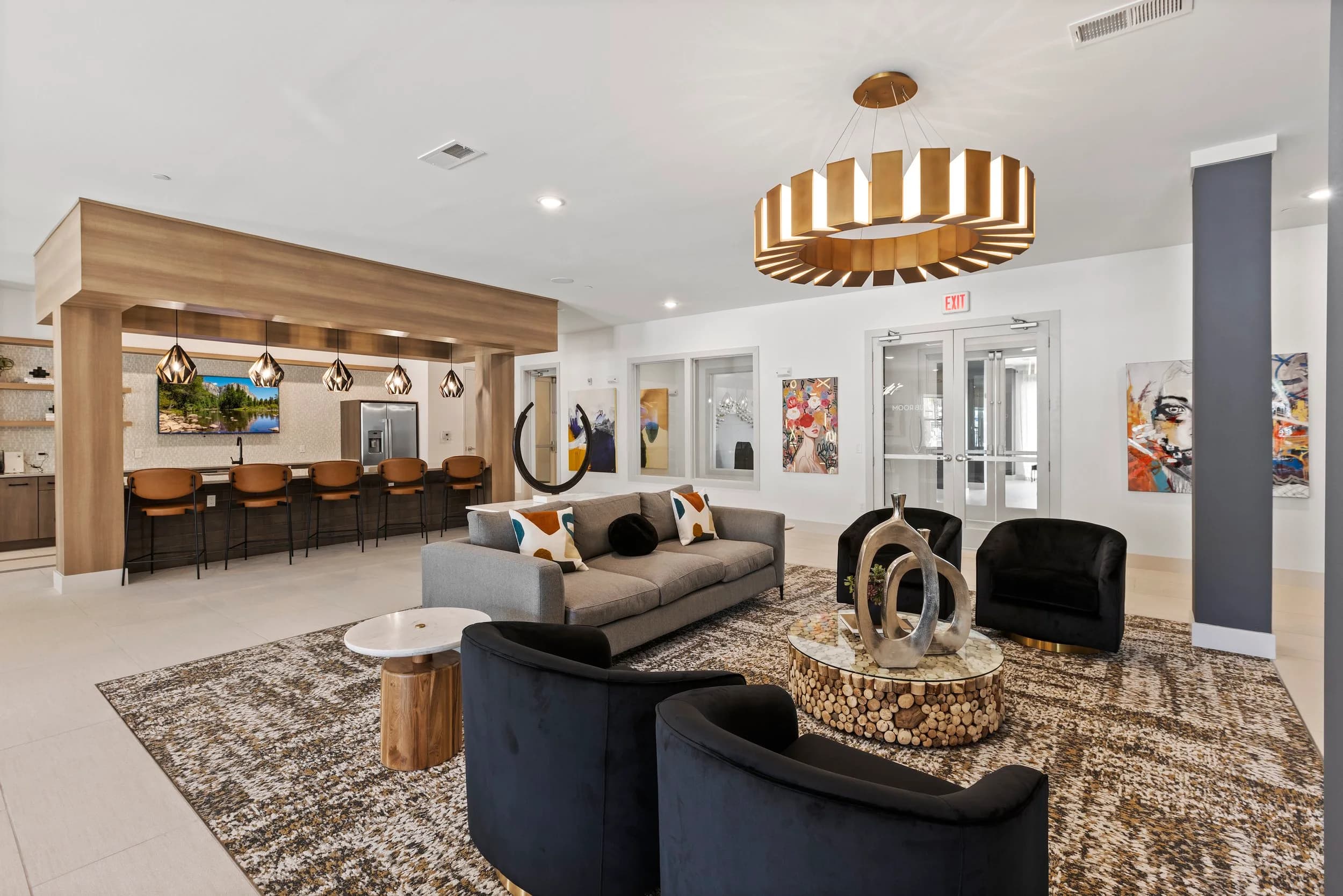
Give the interiors more coverage than usual. If the exterior is a compromise, the interior needs to carry more of the emotional weight — more rooms, more detail frames, better light.
Photograph the windows that face the good direction and let the view through them do work.
Show sound-related upgrades if they exist. Impact windows, double-pane replacements, and insulated doors are common on Florida road-adjacent homes and are genuinely relevant. A clean photo of a window sticker or a detail frame of the frame profile supports the remark.
Do not over-brighten to compensate. Pushing the edit to make a modest interior look luxurious sets up the same disappointment the concealed exterior would have.
Timing Changes What the Frame Contains
The surroundings are not equally present at all hours.
Shoot exteriors when traffic is lightest — mid-morning on a weekday, or early on a weekend. An empty road behind the house is honest; you are not removing cars, you are photographing at a normal quiet time.
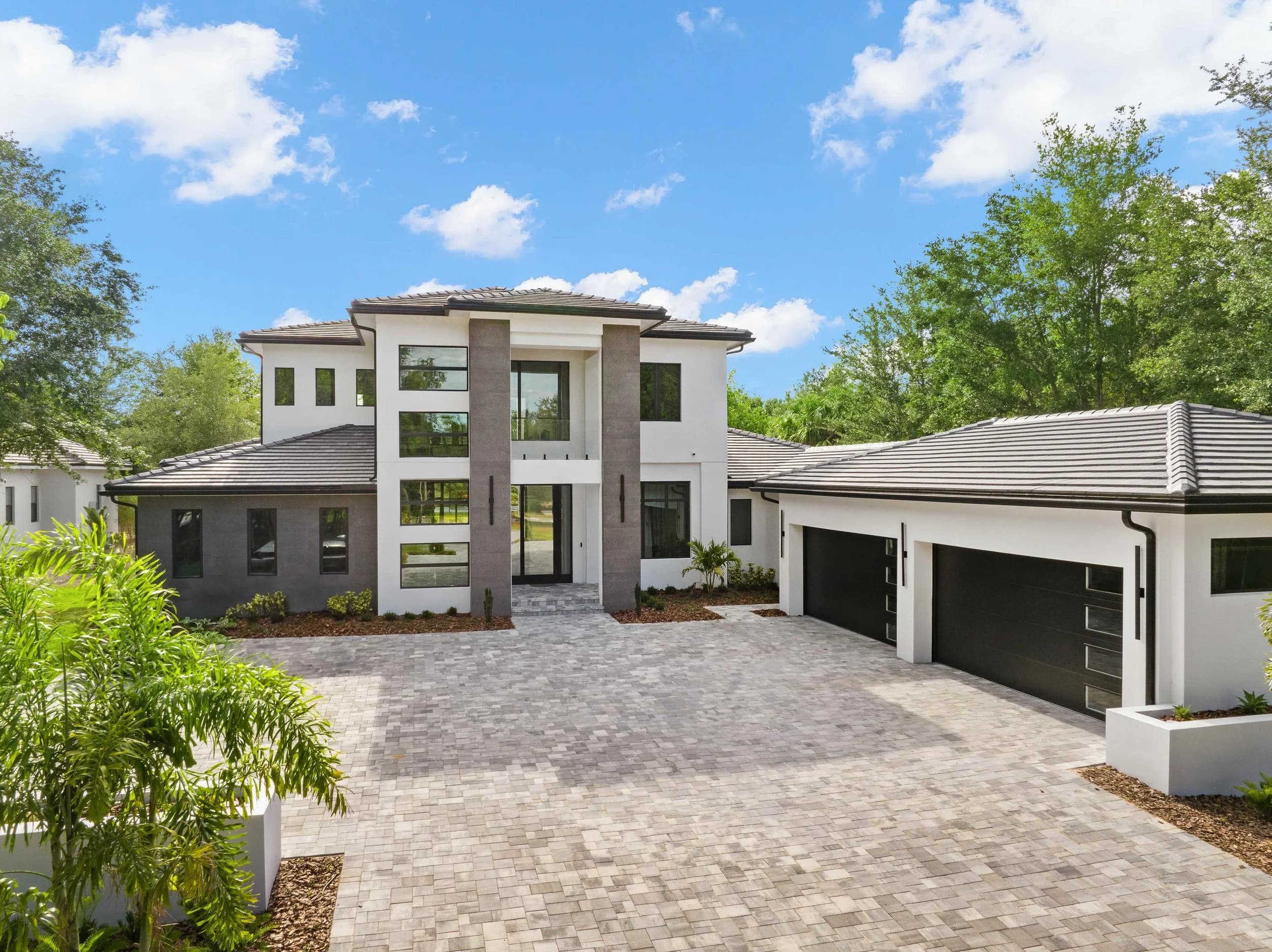
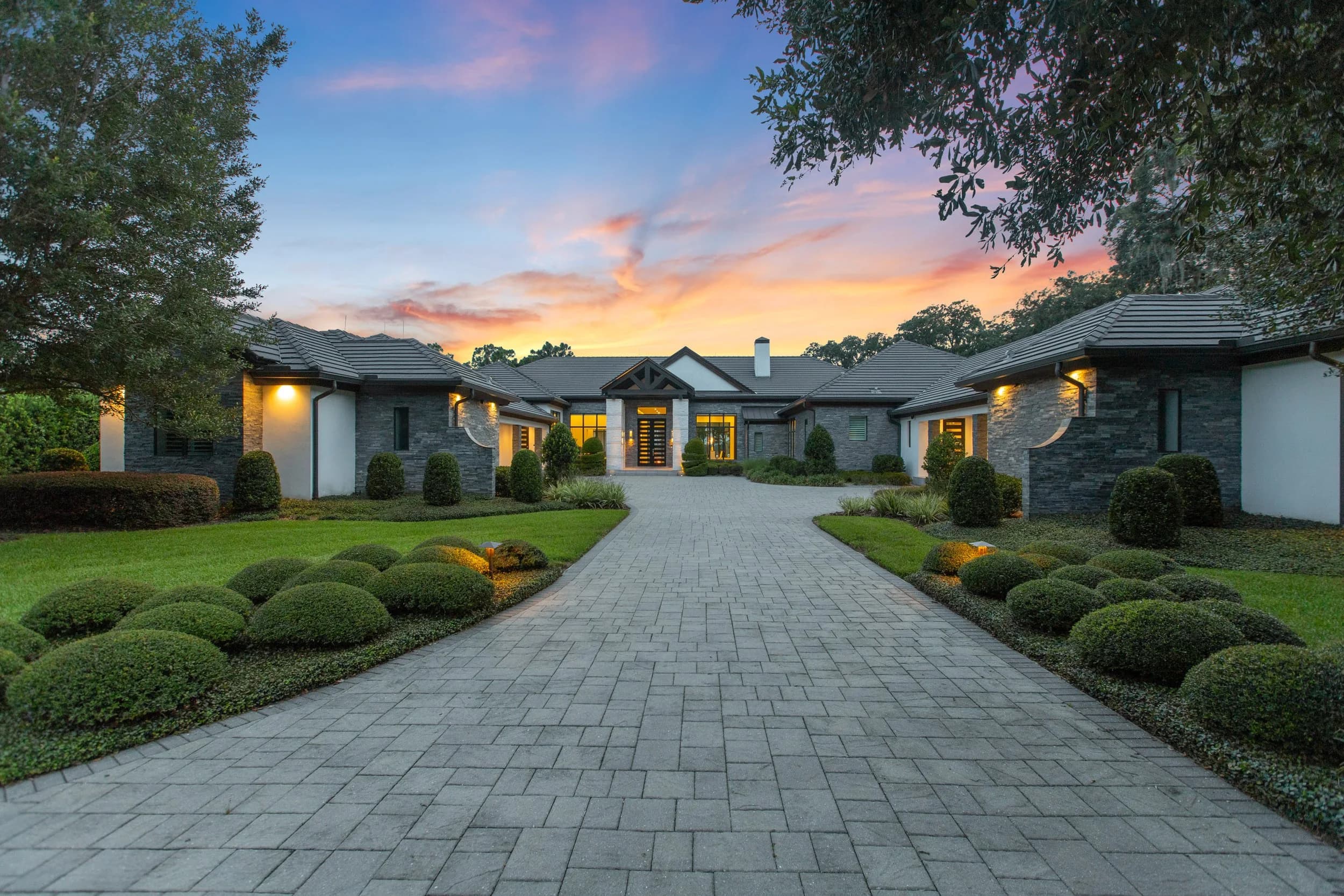
Consider twilight for the front elevation. At dusk, a commercial building behind the property reads as a distant glow rather than a competing subject, and the house itself becomes the brightest thing in frame.
Avoid shooting toward a lit sign at night unless you want the buyer thinking about it.
Watch for delivery and school schedules. A loading dock at 7 a.m. and a school pickup line at 3 p.m. produce very different photos of the same street.
Set the Expectation Before the Showing
The practical goal on a difficult-surroundings listing is not to maximize showings. It is to make sure the people who show up already know what they are walking into. A buyer who arrives informed and still likes the house is a live buyer. A buyer who arrives surprised is a wasted appointment and a piece of negative feedback in the file.
That means the gallery should include at least one honest wide exterior, one aerial with context, and a clear look at the buffer — alongside a strong interior set and the outdoor space that does work. Price accounts for the rest. Photography's job is to make the tradeoff visible early enough that everyone is negotiating about the same house.
Ready to book? Get in touch or call us — we serve Orlando, Tampa Bay, and Central Texas.