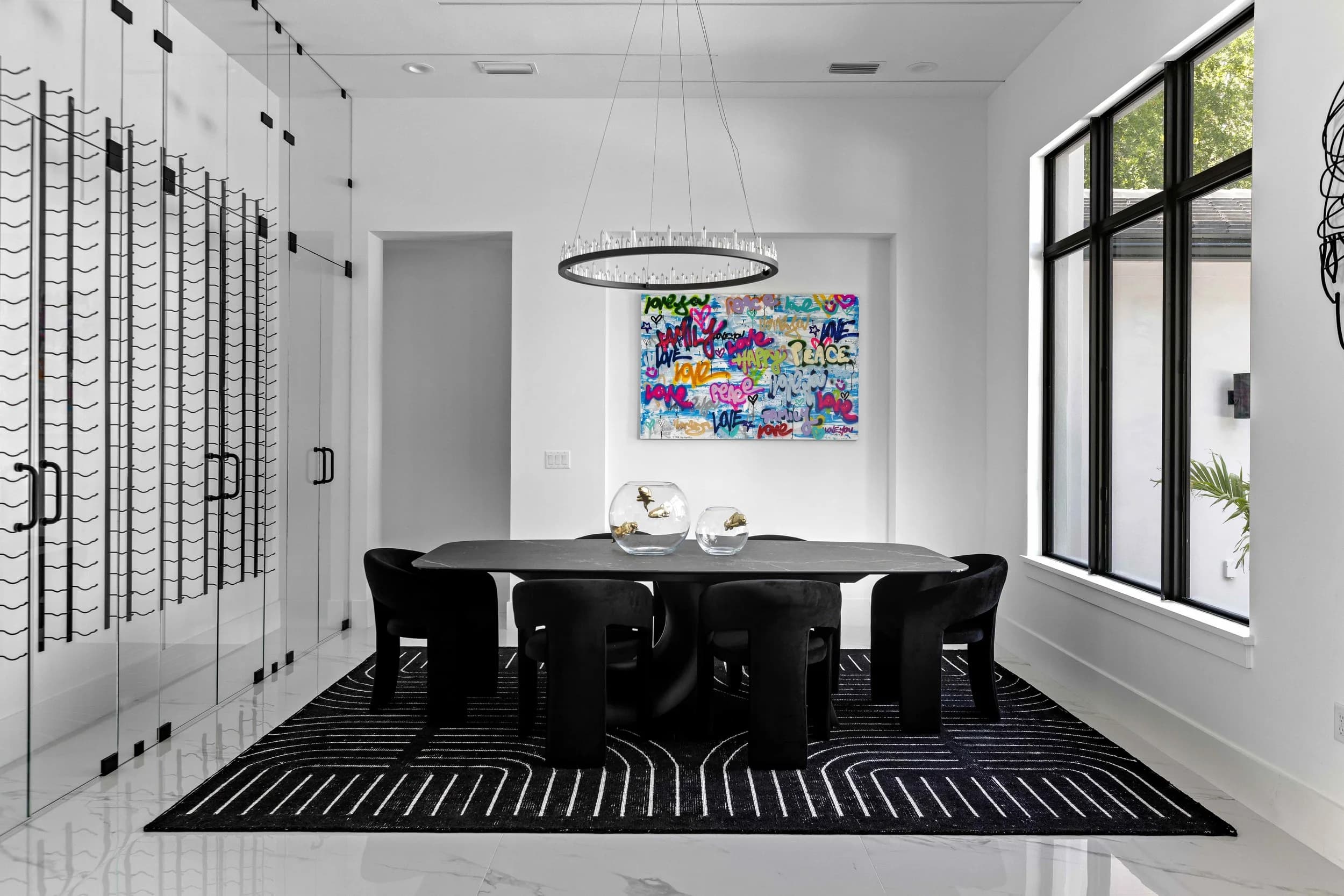
Disclosure of edited listing photos moved from a best practice to a legal requirement in at least one state this year, and the direction of travel is clear. Agents who build the habit now will not have to scramble later.
Here is a practical guide to what triggers disclosure, how to actually word it, and who carries the risk.
Why this changed
Two things happened at once.
First, AI editing became good enough and cheap enough that it is now widespread. One analysis found that more than one in ten primary listing photographs on the four largest real estate portals showed evidence of digital alteration, ranging from sky replacement to virtual staging to object removal.
Second, regulators noticed. California Assembly Bill 723 took effect January 1, 2026. It requires licensed real estate brokers and salespersons, or those acting on their behalf, to disclose when digitally altered images are used and to provide access to original, unaltered versions. Non-disclosure is treated as a misdemeanor.
Florida has no equivalent statute at the time of writing. But Florida agents should not read that as permission to skip disclosure, for reasons below.
What actually triggers disclosure
The dividing line is not did you use software. It is did the edit change what a buyer would understand about the property.
Generally does not require disclosure:
Exposure, brightness, and contrast adjustment
Color correction and white balance
Lens distortion correction
Cropping and straightening
Noise reduction and sharpening
These are darkroom equivalents. They make an accurate photo, not a different house.
Generally does require disclosure:
Virtual staging of any kind
Removing or adding objects that are part of the property
Sky replacement
Virtual twilight conversion
Removing or altering neighboring structures
Changing views out of windows
Adding features that do not exist
Anything that conceals a defect
The California standard reaches edits where software adds, removes, or changes visible elements such as furniture, appliances, flooring, landscaping, facades, floor plans, window views, or neighboring properties. That is a reasonable checklist regardless of where you practice.
How to word it
Keep it plain and put it where a consumer will actually see it. Three placements, in order of preference:
On the image itself. A small, legible label such as Virtually Staged in a corner. This survives being scraped, screenshotted, and syndicated to portals that strip captions.
In the photo caption. Standard practice, and what most MLS rules contemplate.
In the listing remarks. Many MLSs, including Stellar MLS in Central Florida, expect virtual staging to be identified in the remarks.
Useful phrasings:
Virtually staged. Furniture shown is not included.
Photo digitally enhanced. Twilight sky added.
One or more photos have been virtually staged.
Room shown with virtual furniture; original photo available on request.
Avoid vague language like enhanced for marketing purposes. It does not tell a buyer what changed.
Include the original
Even where it is not required, including at least one unaltered image of any room you staged is the single strongest protective step. It costs one photo slot and it converts a potential dispute into a non-event.
This is also where the market is heading. Zillow has said it supports clear disclosure when AI materially alters a listing image and that consumers should be able to view the original alongside the altered version where possible. In Zillow own Showcase experience, virtual staging is shopper-initiated, labeled, and paired with the original so shoppers can compare.
Who is liable
This is the part that gets missed. Responsibility sits with the listing agent and broker, not the vendor who made the edit. Hiring a photographer, a staging company, or an AI platform does not transfer the duty. If a third party alters an image and the listing goes out undisclosed, the agent of record carries the exposure.
Two practical consequences:
Tell your vendors your standard in writing. No sky replacement, no object removal, staging clearly labeled takes one line in an email and gives you a record.
Review before publishing, not after. A staged image you never looked at is still your listing.
A simple internal policy
If you want something you can adopt today:
Every virtually staged photo carries an on-image label.
Every listing with staged photos includes at least one unaltered photo of each staged room.
The remarks include a standard disclosure line.
Original unedited files are archived for the life of the listing plus a reasonable period after closing.
Vendors receive the standard in writing before the shoot.
That policy costs almost nothing and holds up in every market we work in.
Why Florida agents should not wait
Three reasons. Portals are setting their own rules regardless of state law. Buyers increasingly arrive from out of state and rely more heavily on images. And the reputational cost of a buyer discovering a materially altered photo at a showing is far higher than the cost of a caption.
This article is general information, not legal advice, and rules differ by state and by MLS. Confirm the current requirements with your broker and your MLS.
Ready to work with a photographer who documents what is actually there? Get in touch or call us. We serve Orlando, Tampa Bay, Central Florida, and Central Texas.