Your listing gets one image in the search results, and that single frame decides whether a buyer clicks or keeps scrolling. Choosing it well is one of the cheapest ways to improve a listing’s performance.
Why the Hero Photo Carries So Much Weight
On Zillow, Realtor.com, and most MLS search grids, buyers see a thumbnail, a price, and a few stats. Everything else — the 40 other photos, the video, the 3D tour — only matters if the thumbnail earns the click.
That means the hero photo isn’t just the best photo. It’s the photo that does the most work at small size, on a phone, next to a dozen competing listings. A stunning detail shot of a kitchen backsplash may be the most beautiful image in the gallery and still be the wrong hero, because at thumbnail size nobody can tell what they’re looking at.
A good hero photo does three things: it identifies the property type instantly, it communicates the home’s single strongest selling point, and it reads clearly at 300 pixels wide.
The Default Choice: Front Exterior, and When to Break It
For most listings in Orlando, Tampa Bay, and Central Florida, the front exterior is the right hero. It orients the buyer, sets expectations, and looks like what buyers expect to see. If the front elevation is attractive, well-lit, and the landscaping is in good shape, use it.
Break the rule when the exterior isn’t the story:
Waterfront and conservation lots. If the back of the home opens onto a lake, canal, or preserve, that view is the reason someone buys. Lead with the rear exterior or an aerial that shows the water.
Condos and high-rises. The building’s front door means little. Lead with the view from the unit, the balcony, or the main living space.
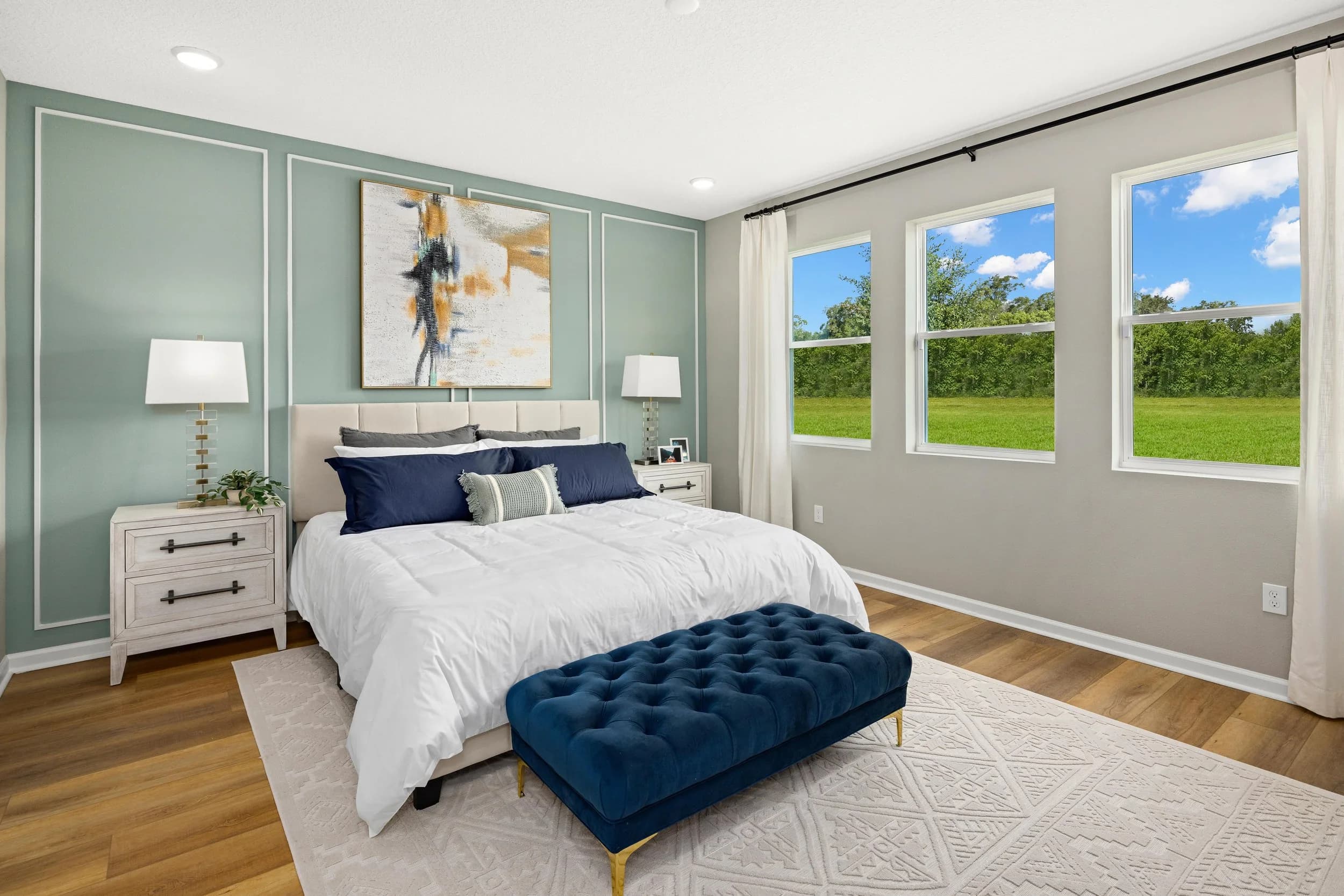
Homes where the interior is dramatically better than the exterior. A modest 1980s elevation hiding a fully renovated open-concept interior should lead with the great room or kitchen.
Golf course and country club properties. An aerial that shows the home in its setting usually outperforms a straight-on driveway shot.
Vacation rentals in the Orlando corridor. Pool decks and themed spaces sell the booking; the front elevation rarely does.
Twilight, Aerial, or Daytime?
All three can work. The question is which one communicates fastest.
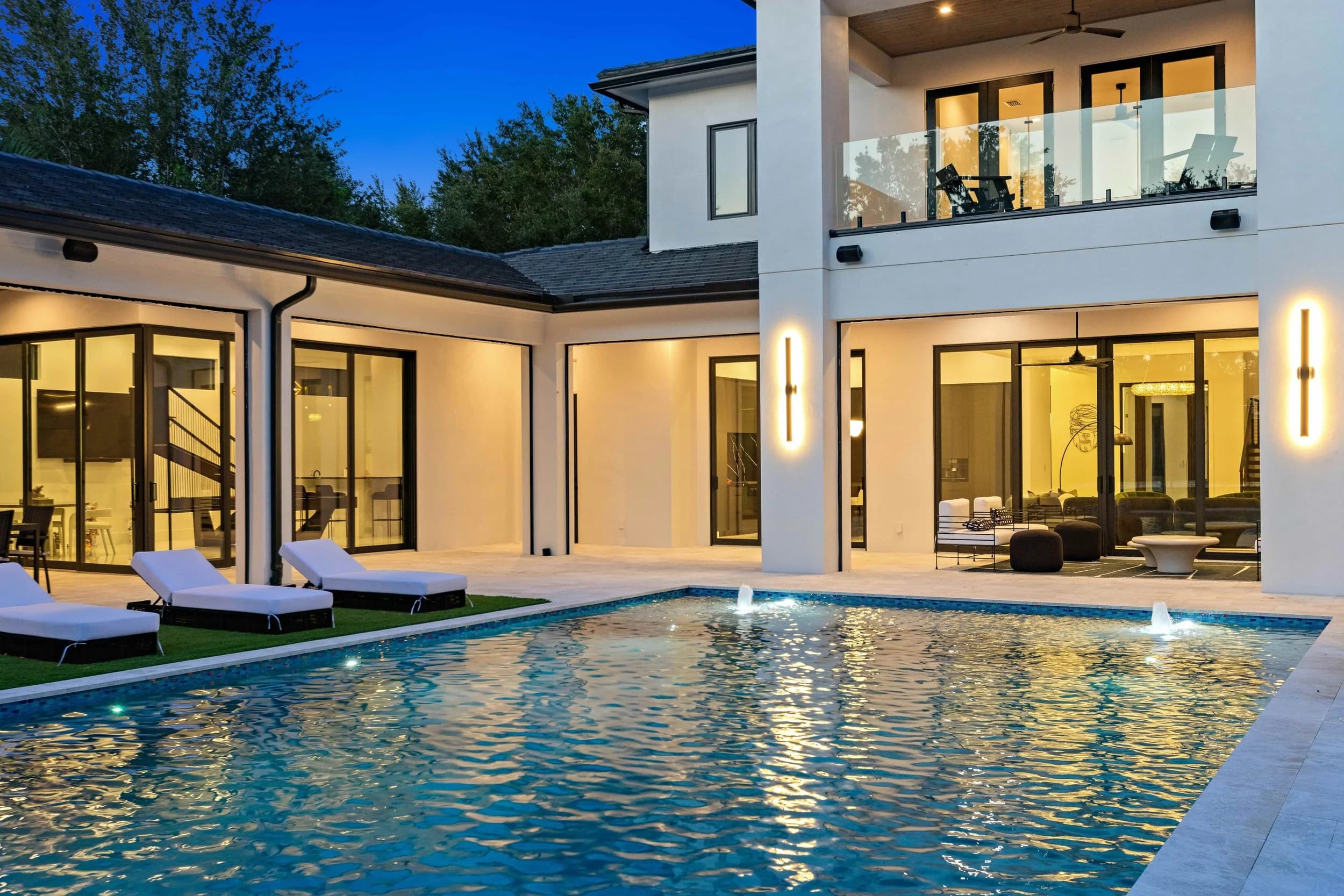
Twilight exteriors perform extremely well as heroes. Warm interior lights against a blue sky create contrast that survives compression and stands out in a grid of flat midday photos. If a listing has a twilight shot, it’s usually a strong candidate.
Aerials are the right hero when location or land is the value: acreage, waterfront, a corner lot, proximity to a golf course, or a home in a new community where the surroundings matter. Aerials are the wrong hero when they make the house look small in the frame. A house that occupies ten percent of the image doesn’t sell the house.
Daytime exteriors are the safest default. Clean, blue-sky, front-elevation photos never look wrong. They just have to compete on quality.
Whichever you choose, the hero should be sharp, level, and correctly exposed. Compression on listing portals is unforgiving, and a soft or noisy image looks worse online than it does on your laptop.
Practical Rules for Picking the Frame
When you’re staring at a gallery of 35 images trying to decide, work through this:
Shrink it. View the candidates as thumbnails, not full screen. The one that still reads clearly wins.
Cover the caption. If you can’t tell what kind of property it is without reading the address, it’s not a hero.
Check the light direction. In Florida, a west-facing front photographed in the morning sits in shadow. The version shot at the right time of day almost always outperforms.
Avoid clutter at the edges. Trash bins, cars, hoses, and the neighbor’s roofline pull the eye away from the home.
Don’t lead with a photo you’ll have to walk back. If the hero sets an expectation the rest of the gallery can’t meet, you generate showings that end in disappointment.
Ordering the Rest of the Gallery Around It
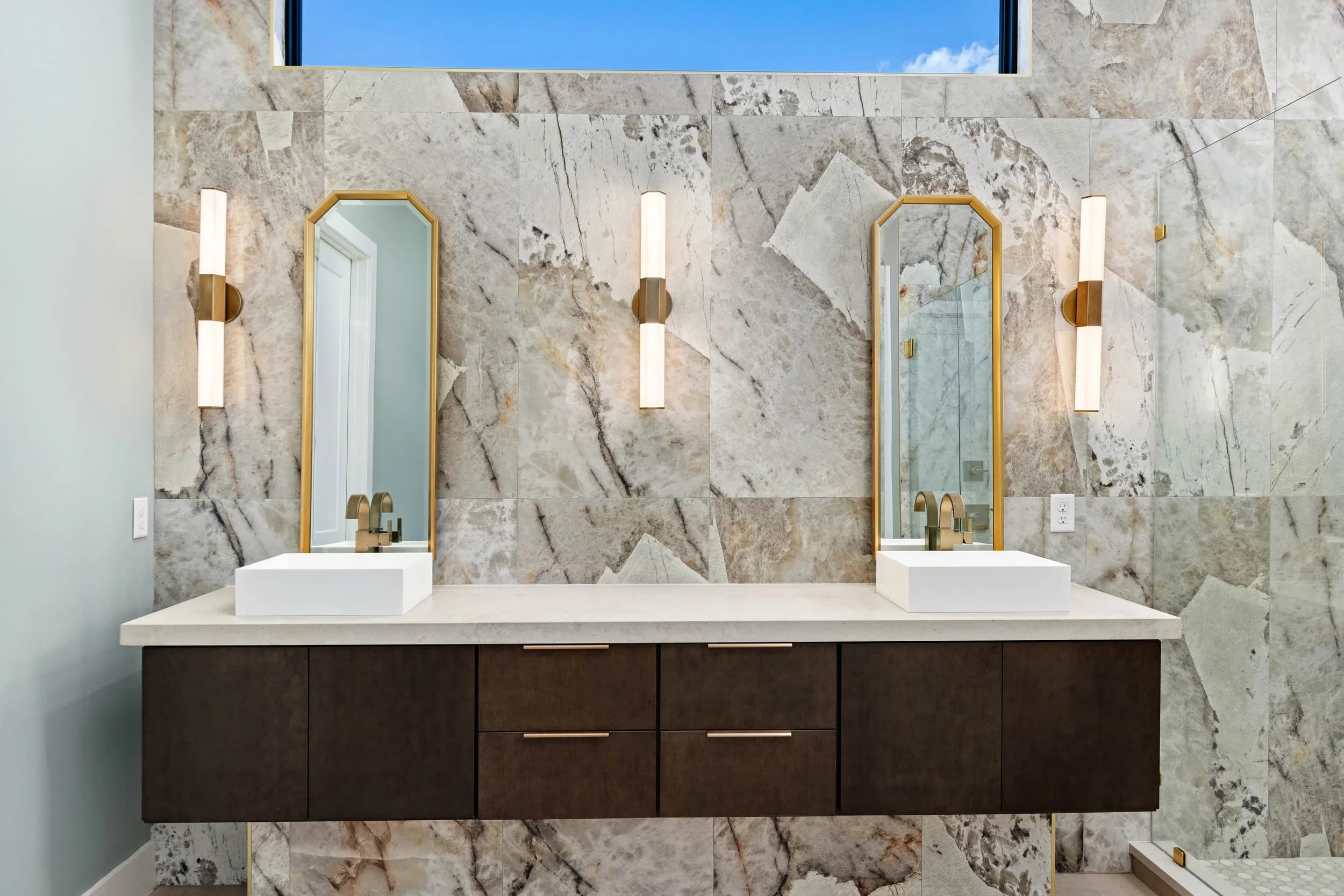
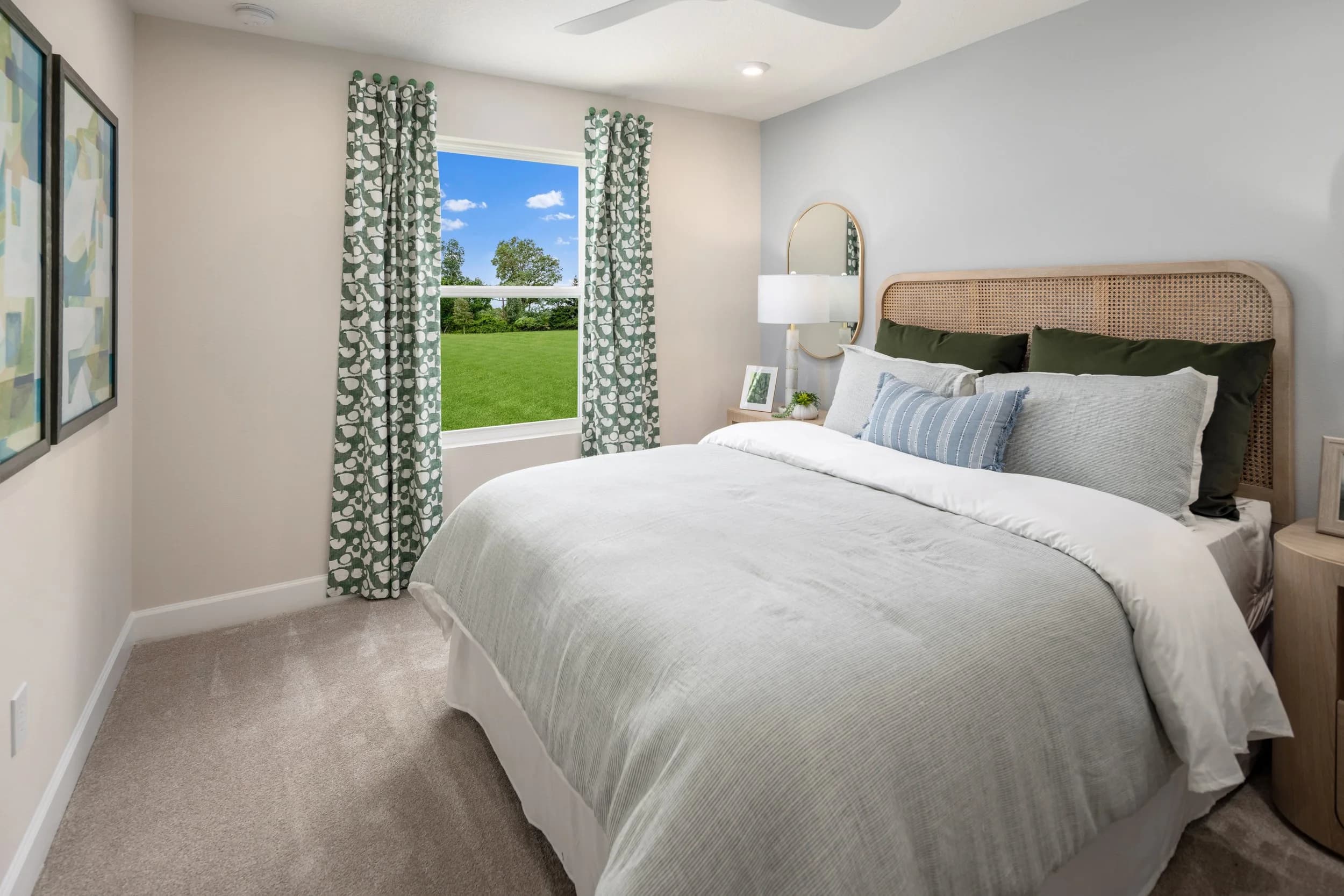
The hero sets up the sequence. Once a buyer clicks, the next few images decide whether they keep going. A reliable pattern runs hero exterior, main living space, kitchen, primary bedroom, primary bathroom, then the differentiator such as a pool, lanai, view, or bonus room, followed by remaining bedrooms, secondary baths, laundry and garage, with outdoor space and aerials to close.
If your differentiator is strong enough, such as a screened pool with a lake view, a summer kitchen, or a casita, consider moving it into the top three. Buyers form an opinion within the first five images.
A Quick Note for Home Builders
For model homes and spec inventory, the hero should match the buyer’s stage of the journey. Community landing pages usually perform best with an aerial or streetscape that shows the neighborhood. Individual floor plan pages should lead with the elevation, because buyers are comparing elevations. Model home galleries should lead with the space that best demonstrates the floor plan’s selling point, usually the great room or the kitchen island.
Get the Options Before You Need Them
The easiest way to choose a strong hero is to have real options: a clean daytime exterior, a twilight version, and an aerial. When those exist in the gallery, the decision takes thirty seconds instead of thirty minutes of second-guessing.
Ready to book? Get in touch or call us. We serve Orlando, Tampa Bay, and Central Texas.