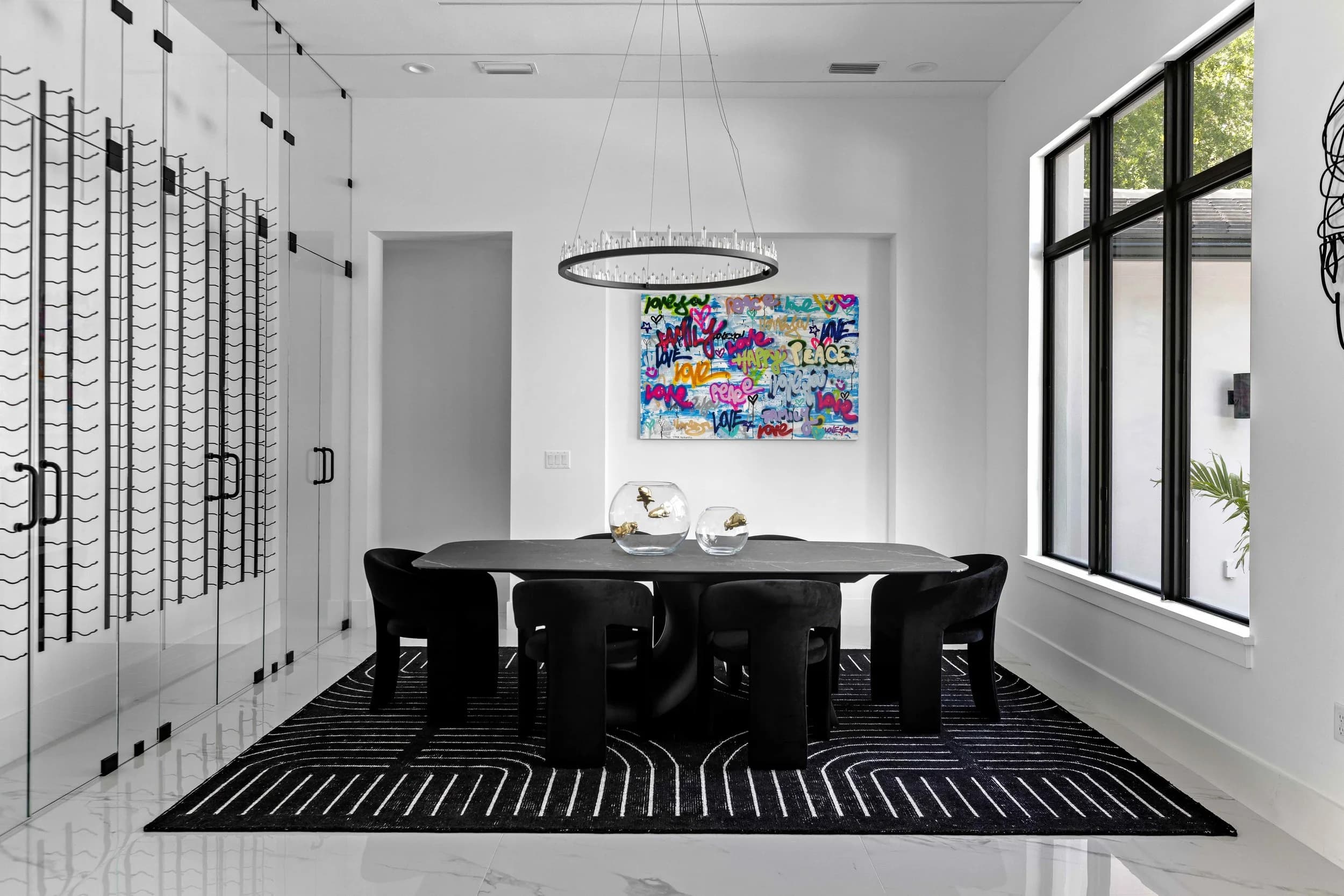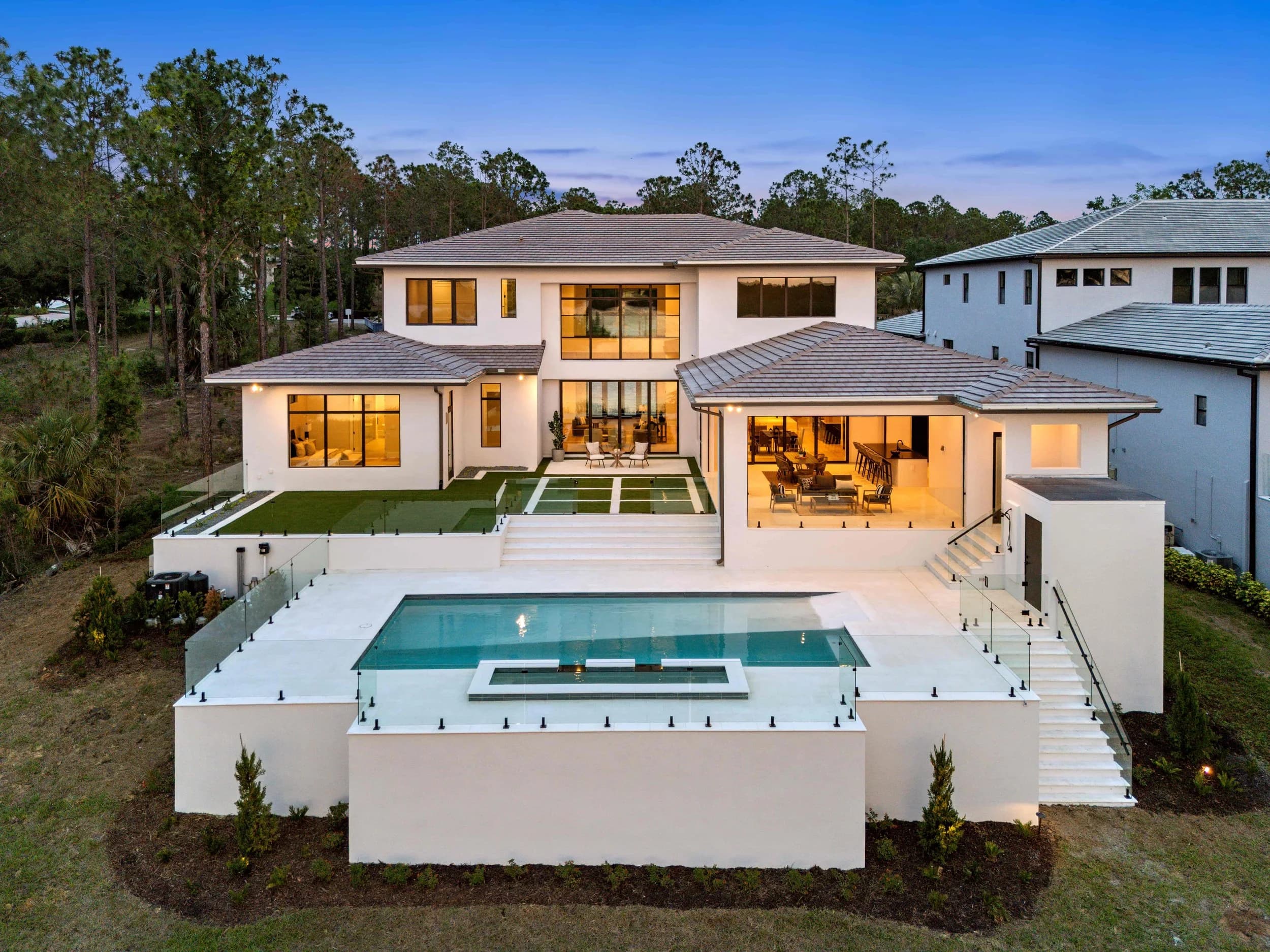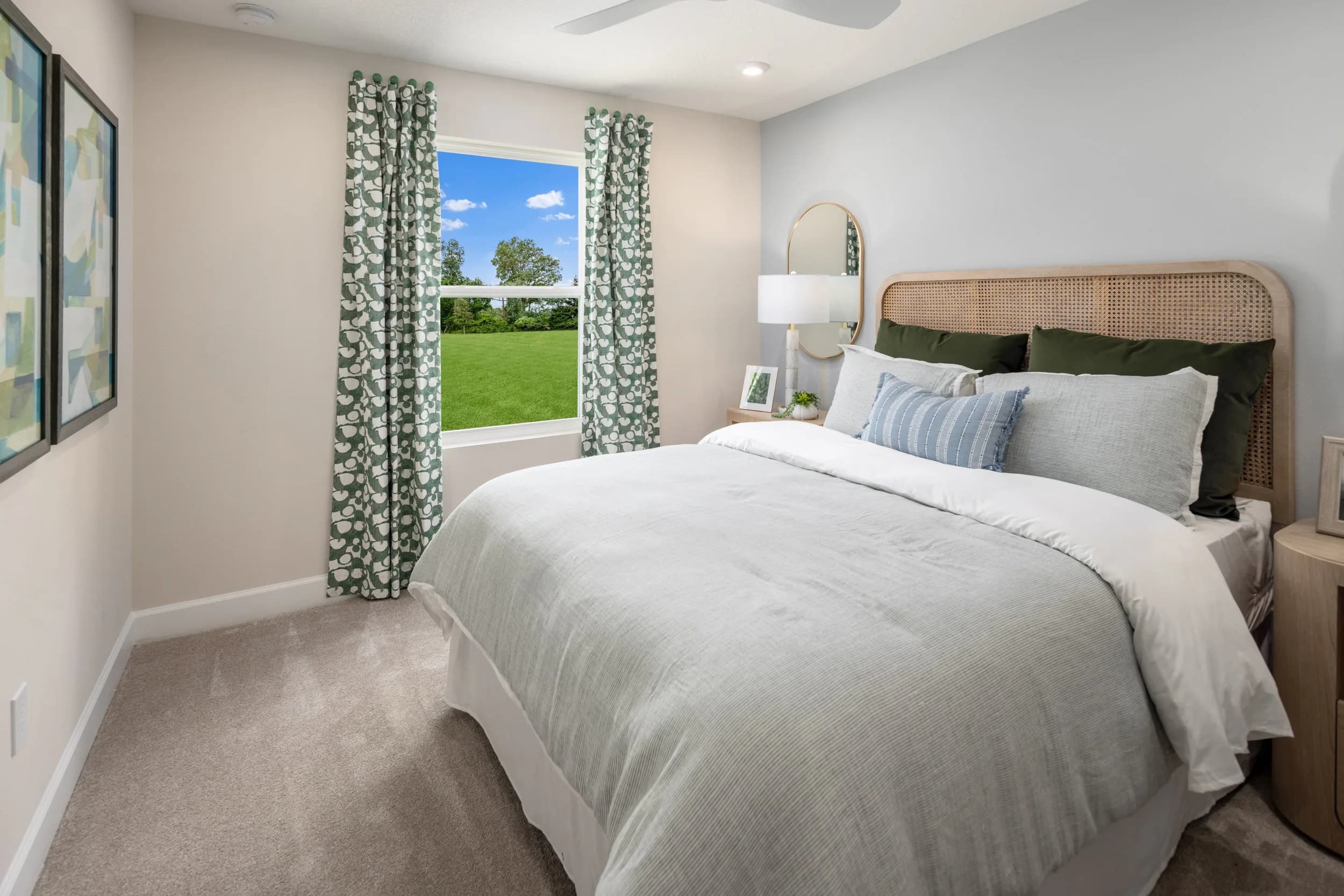
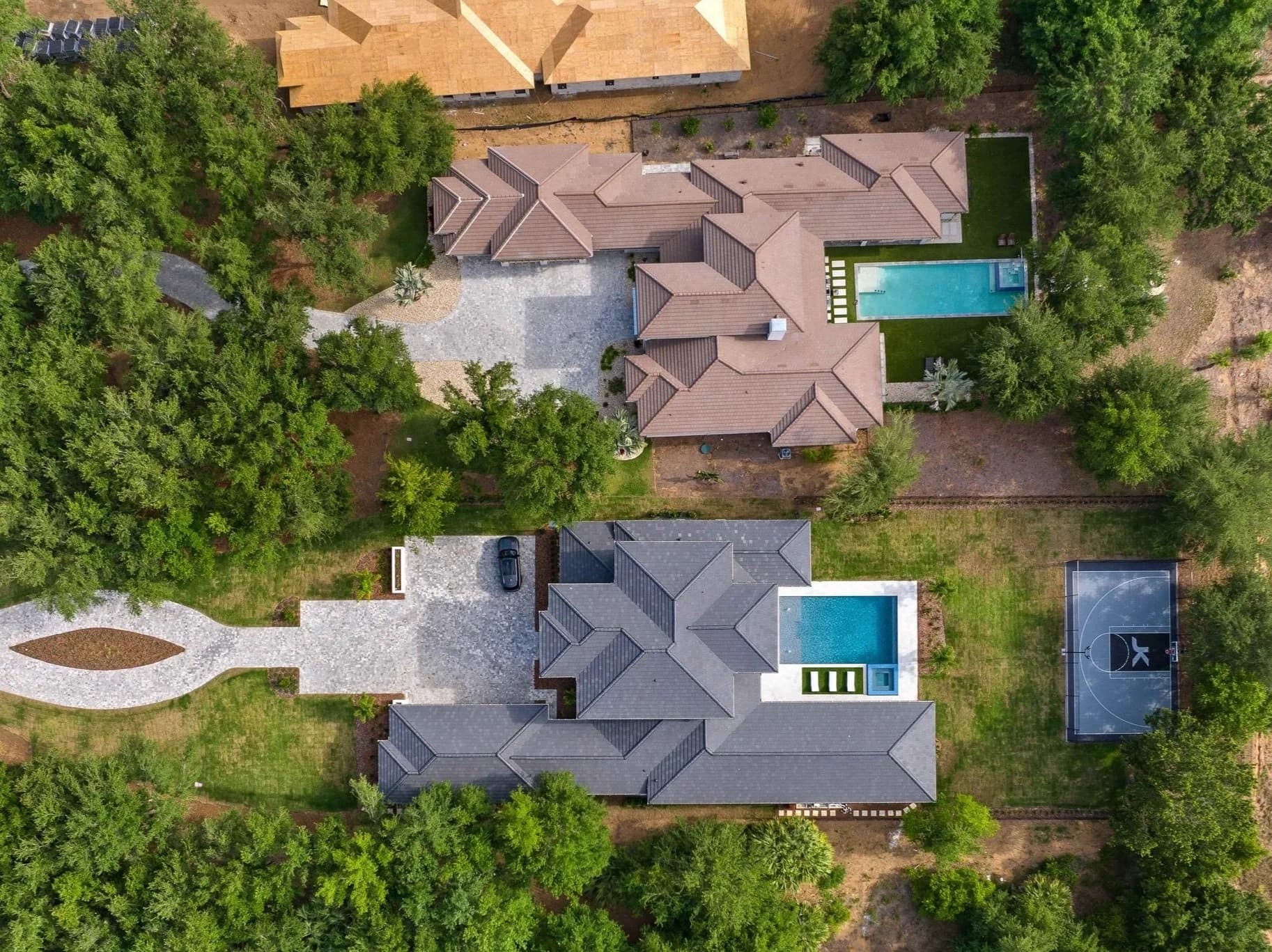
Most agents pick a photographer the way they pick a lunch spot — someone recommended it, the price looked fine, and it worked out. That approach survives a few listings. It stops working the month you have four homes going live in the same week.
Here is what actually separates one photography company from another, in the order it will matter to you.
Who Is Actually Showing Up
This is the single most useful question and almost nobody asks it.
A lot of photography is sold by one company and performed by a rotating pool of contractors. You book with a brand and a stranger arrives. Nothing is necessarily wrong with any one of them, but the work drifts — different framing habits, different color, different idea of what a hero shot is. Six listings in, your feed looks like six different agents made it.
Ask directly:
- Is the shooter an employee or a contractor pulled from a marketplace?
- Will I get the same person, or at least the same standard, every time?
- Has this photographer shot my specific market before? A photographer who has worked Winter Garden knows where the sun lands on a west-facing lanai at 4 p.m. One who hasn't is solving that live, on your listing.
At JRP every shoot is led by a senior photographer on our own team who has shot the market before — not a fleet, not a franchise. That is the reason a Windermere estate and a Lake Nona townhome come back looking like they belong to the same brand. If you run a team, that consistency is worth more than any single image.
Can They Cover Everything the Listing Needs
A $300,000 condo and a $2.5M lakefront property do not need the same media, and you should not need two vendors to get both.
Look for a company that shoots, under one roof:
- Stills, including twilight
- Drone photography and aerial video
- Cinematic and walkthrough video
- 3D tours and floor plans
- Community and amenity coverage, if you sell new construction
The reason this matters is not convenience. It is that a company shooting the whole package plans the whole package — the drone pass is timed against the twilight window, the video and the stills share a lighting approach, the floor plan matches what the tour shows. Vendors booked separately each optimize for their own piece.
Ask what happens when a listing needs something unusual: acreage, a boat dock, a vacant new build with no power, a tenant in the house. A company that has a real answer has seen it before.
What You Are Actually Buying
Two quotes are almost never comparable, because the thing being sold is different.
Get specific about:
- Photo count, and whether it is a cap or a target. A flat "25 photos" on a 5,000-square-foot home is a different product than on a condo.
- Editing. Are window pulls, screen and TV replacements, sky, and lawn included, or line items? Work retouched in-house and work farmed out to a third-party vendor produce visibly different results, and the difference shows up in reflections and glass.
- Licensing. This is the one agents get burned by. You need to know whether you can use the images after the listing closes, whether the brokerage can, and whether the seller or builder can. Who owns your listing photos is a real question with a real answer, and it should be in writing.
- Weather and access. Florida afternoons and Texas storms are not edge cases. Find out the reschedule policy before you need it.
If you are new and trying to work out what any of this should cost, the package breakdown is the place to start rather than comparing headline prices.
Red Flags Worth Walking Away From
- No portfolio in your market. Beautiful work in a different state tells you very little about how they handle a screened lanai or a west-facing pool deck.
- Unwillingness to name the photographer. If the answer is "one of our professionals," you are buying a lottery ticket.
- Vague licensing. "You can use them however you want" is not a license, and it is not what the contract will say.
- A portfolio of only empty, staged, brand-new homes. Real listings are occupied, lived-in, and imperfect. Ask to see one.
- No process before the shoot. A company that sends nothing in advance is a company that will show up to an unprepared house.
The Question Underneath All of It
Every criterion above is really asking the same thing: does this company treat your listings as a repeatable relationship or as a series of transactions?
That distinction is invisible on listing one and obvious on listing twenty. Agents who shoot a handful of homes a year can optimize for price. Agents and teams with steady volume should optimize for the company that will still be recognizable a year from now — same standard, same look, same people who know your market.
JRP has been based in Orlando since 2017 and shoots across Orlando, Tampa Bay, Austin, and San Antonio with in-house photographers and in-house editors. We built it that way specifically so that the twentieth listing looks like the first.
Ready to book? Get in touch or call us — we serve Orlando, Tampa Bay, and Central Texas.