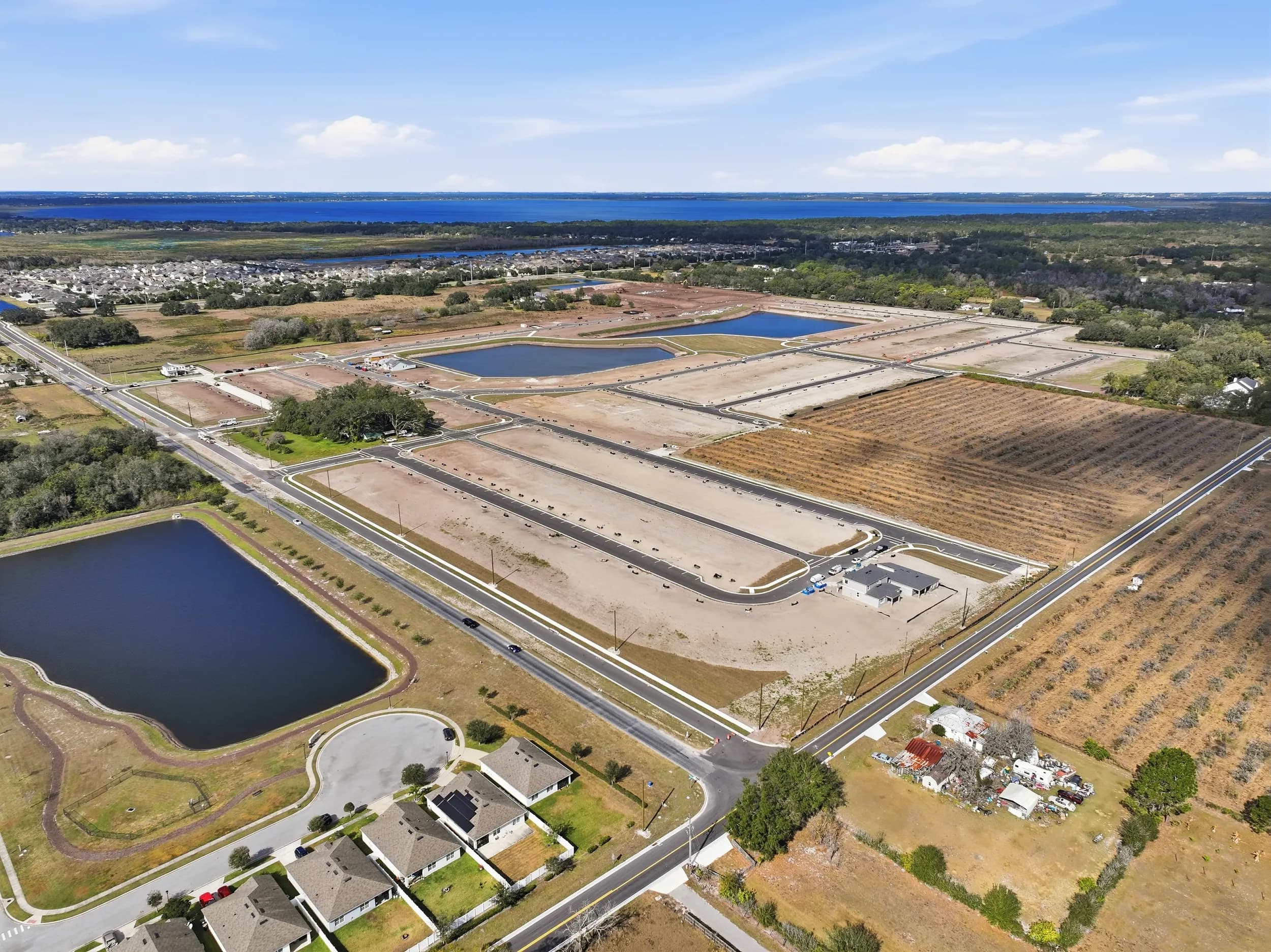
A community brand film is one of the bigger creative investments a home builder makes. It runs on the community website, in sales centers, in paid social and at broker events, often for years. The difference between a film that sells the lifestyle and one that feels generic usually comes down to the brief the videographer received before anyone picked up a camera.
If you are still deciding whether you need one, our post on community brand films covers what they are and how they differ from listing video. This post assumes the decision is made and you need to brief the team well, whether the community is in Orlando, Tampa Bay, Austin or San Antonio.
Start with the buyer, not the shot list
The most useful thing a builder can hand a videographer is a clear picture of who the community is for. Before talking about drone shots or music, answer these:
- Who is buying? First-time buyers, move-up families, active adults, relocating professionals.
- What do they care about most? Schools, commute, amenities, space, low maintenance, nature, value compared with nearby options.
- What feeling should they leave with? Calm, energy, belonging, quiet luxury.
- Where will the film live? Website hero, sales center screen, social ads, broker presentations. Each placement affects length and format.
A videographer who understands the buyer will make better decisions on the day than any shot list can predict.
What to include in the written brief
Keep the brief to one or two pages. It should cover:
- Key messages. Three or four things the film must communicate, in order of priority.
- Must-have locations. Model homes, amenity center, trails, lakes, entry monument, and any nearby town center or attractions you have permission to film.
- Brand guidelines. Logo use, fonts, colors, tone and any phrases to use or avoid.
- Deliverables. A main film plus shorter cutdowns, with the aspect ratios needed: horizontal for the website, vertical for social.
- References. Two or three films you like and, just as useful, one you do not, with a note on why.
- Approvals. Who signs off on the edit and how many review rounds are planned.
People, permissions and music
Lifestyle films usually include people, and that takes planning:
- Decide whether you are using hired talent, staff or residents. Each person on camera needs a signed release.
- Plan wardrobe that fits the brand and the season, and avoid large logos.
- Confirm permissions for any filming off your property, such as a nearby park, downtown street or local business.
- Agree on music early. The track shapes the edit, and it must be properly licensed for every place the film will run. Our post on music licensing for real estate videos explains why that matters.
If the film will include a homeowner or buyer speaking on camera, see our guide to testimonial video that does not sound scripted.
Plan the shoot days around the community
Good community films are usually shot across more than one day and at different times: morning light for amenities and trails, warm late-afternoon light for model home exteriors, twilight for the amenity center and streetscapes. In Central Florida, summer afternoon storms affect the schedule; in Central Texas, heat and harsh midday sun do. Build in a weather backup date when the shoot is booked.
Share the construction schedule too. If the pool opens next month or a phase of landscaping is about to go in, it may be worth waiting so the film does not look dated the moment it launches.
After the shoot: review against the brief
Review the first cut against the brief, not personal taste. Ask whether it communicates the key messages and whether the intended buyer would see themselves in it. Consolidate feedback from sales, marketing and leadership into one set of notes so the editor is not chasing conflicting requests. Delivery timing for the final cut and cutdowns is confirmed at booking.
Ready to book? Call or text (689) 600-2131 or get in touch.