A coming soon status is a short, one-time window of attention. Whether it produces day-one showing demand or just quietly expires depends almost entirely on whether the marketing assets existed before the status went live.
What a Coming Soon Status Does, and Why Photos Have to Come First
Coming soon is a pre-market status that lets a property appear in the MLS and, depending on the board and the settings, syndicate to portals before it is available to show. It gives the listing visibility while the seller finishes preparing, and it gives buyer agents time to line up interest so showings cluster at the moment the property goes active.
The value is concentrated and short-lived. Buyers with saved searches get a notification once. Agents scanning new inventory see it once. If the listing appears with a single exterior phone photo, or with no photo at all, that impression is spent and it does not come back when the real gallery is uploaded four days later.
That is the whole case for having the marketing assets in hand before the status changes. Three practical reasons behind it:
Notification alerts fire on status change, not on photo upload. Whatever is attached when the listing appears is what people see.
Portal engagement is driven by early behavior. A listing that goes out with a strong hero image gets saved and shared. One that goes out bare does not, and adding photos later does not retroactively generate that engagement.
Agents form an opinion fast. Buyer agents building a weekend tour are triaging dozens of listings. A coming soon entry with no meaningful imagery gets skipped and rarely revisited.
There is also a workflow reason. Photos, video, and a Matterport tour all need editing time. Booking the shoot for the same day the status flips means the gallery lands in the middle of the coming soon window at best.
The Trap of Shooting Too Early
The opposite mistake is just as costly, and it is more common among agents who have learned the first lesson. Scheduling the shoot three weeks out to be safe means shooting a house that is not finished.
Things that ruin an early shoot:
Staging that has not been installed. Empty and half-staged rooms photograph poorly, and reshooting the interior later means paying twice.
Punch list repairs still open. Missing outlet covers, unpainted patches, a damaged screen enclosure, and hardware not yet installed all show clearly at full resolution.
Landscaping and exterior work. Fresh mulch, a trimmed hedge line, and pressure washing transform an exterior. Pressure washing needs a few days for surfaces to dry evenly before it photographs cleanly.
Pool and lanai condition. In Central Florida this is a leading cause of reshoots. An uncleaned pool reads immediately in both aerial and ground shots.
Construction dust. New builds and renovated properties look finished to the eye and photograph dusty. Final clean has to precede the shoot.
The right timing is not early and not late. It is after the property is genuinely finished and before the status goes live.
Teaser Content Versus the Full Gallery
A coming soon window is one of the few moments where holding something back is strategically useful.
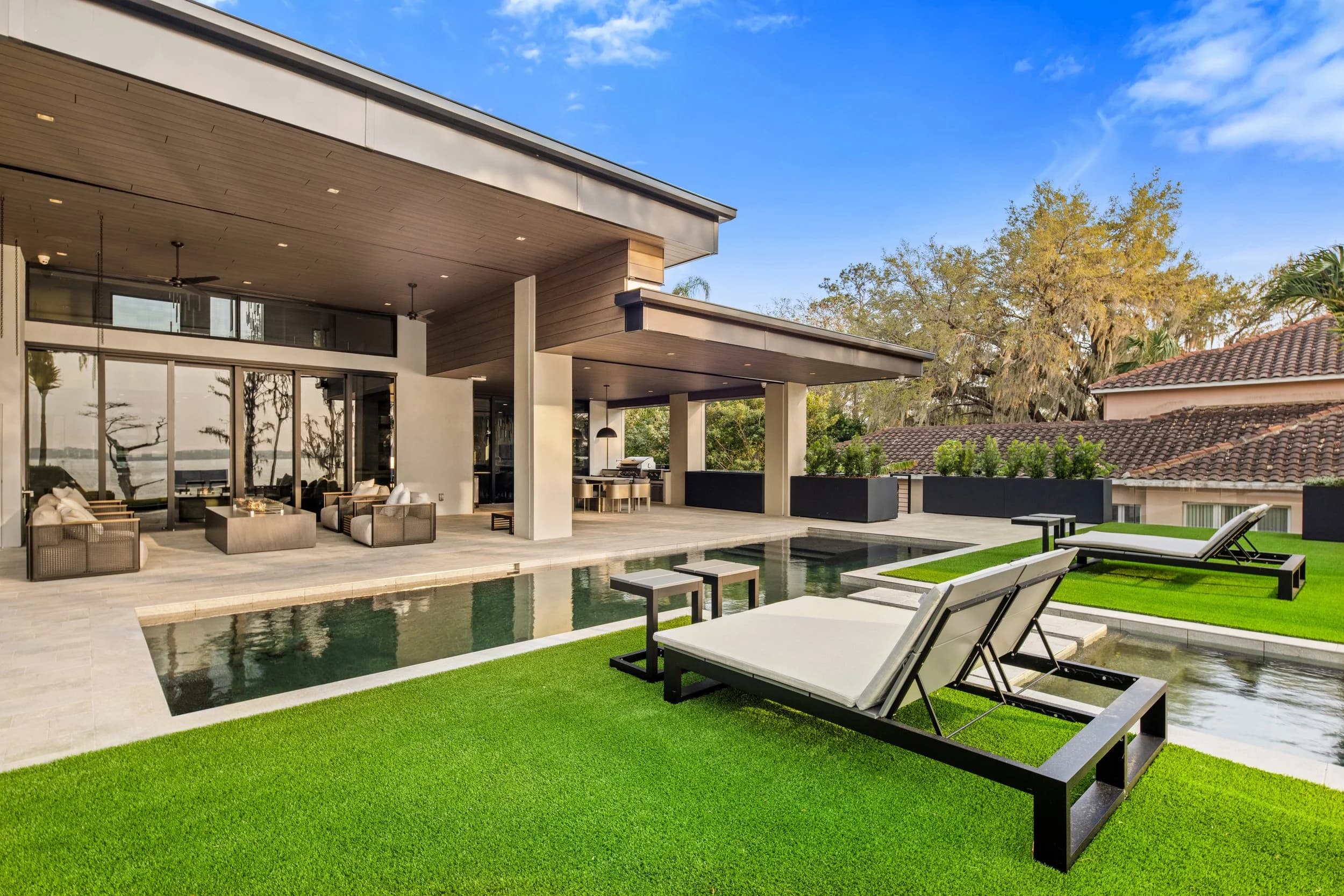
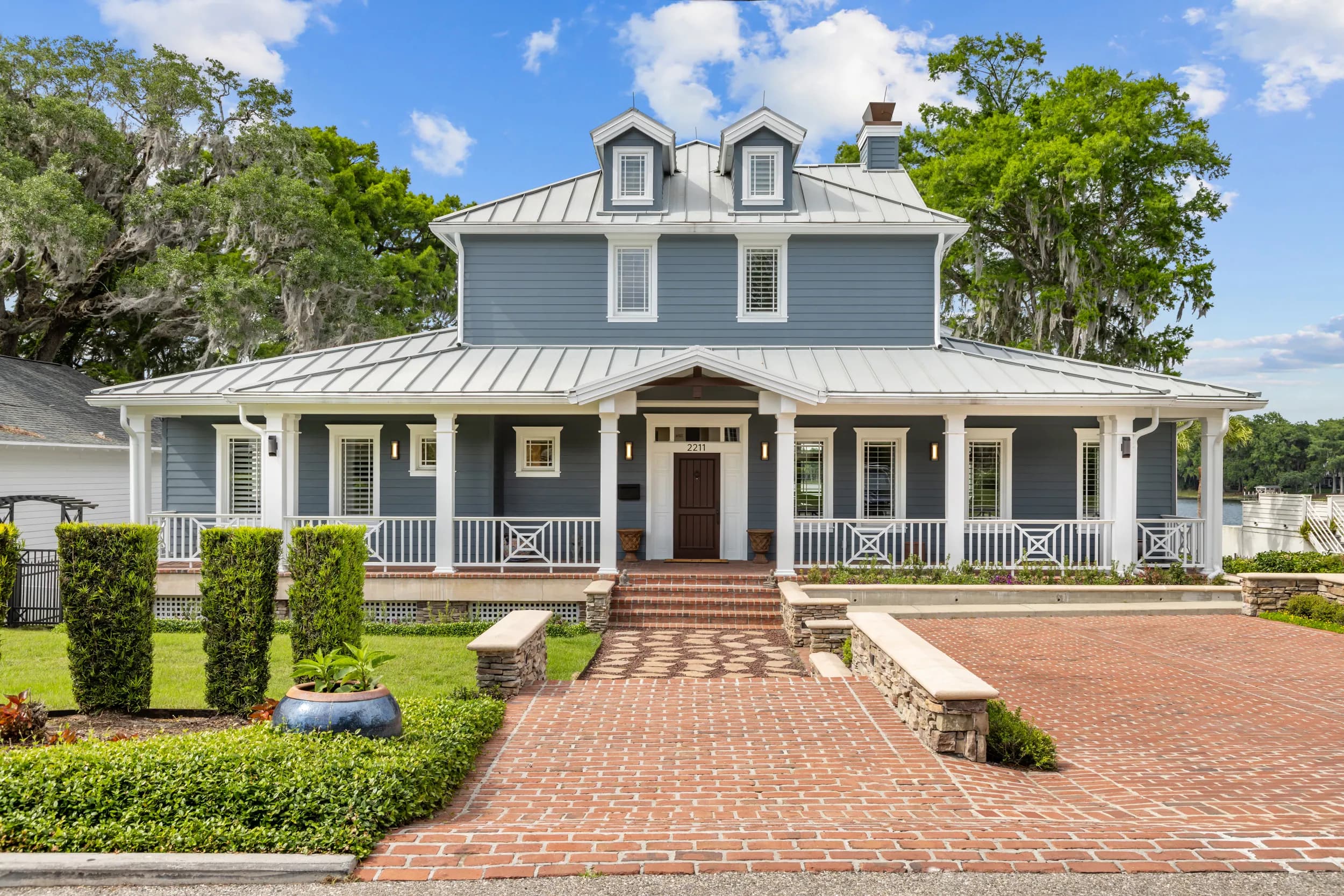
Use one strong hero image publicly. A front elevation at dusk, or a single striking interior, is enough for social and for the coming soon MLS entry. It signals quality without exhausting curiosity.
Keep the full gallery for launch. If the entire set has circulated on Instagram for a week, going active is not an event anymore.
Detail shots are ideal teasers. A close crop of a fixture, a stair detail, a corner of the kitchen. They communicate the level of the property while leaving the layout unknown.
Vertical video works hard here. A ten to fifteen second clip cut from the property video performs well on social during the window and costs nothing extra if it is planned into the shoot.
Deliver everything at once anyway. The full package should land during the coming soon period so you are choosing what to release, not waiting on files.
Building the Schedule Backward From Launch Day
The reliable method is to pick the go-live date first and work backward.
Set the active date. Many agents in Orlando and Tampa Bay target late in the week so the first full showing days are the weekend.
Count back for editing turnaround. Listing galleries are delivered within 24 hours, video in 48 to 72 hours. Larger properties take a little longer. Ask your photographer for their actual turnaround rather than assuming.
Place the shoot before that. Working back from delivery gives the shoot date.
Finish property prep a day earlier. Cleaning, staging, landscaping, and repairs should be complete the day before the shoot, not the morning of.
Build in a weather buffer. From roughly June through the fall, Central Florida afternoon storms routinely affect drone work and exterior timing. Two or three spare days between the shoot and the status change means a weather reschedule does not move your launch.
Flip the status once assets are in hand. Not before.
Rules Vary by Board, So Confirm With Yours
Coming soon is not a single national standard. Boards and MLSs set their own policies, and they differ on meaningful points: how long a listing may remain in the status, whether and when showings are permitted, how days on market are counted, whether the listing syndicates to portals during the window, what the seller must sign to authorize it, and what happens if the property is shown before it goes active.
Stellar MLS covers much of Central Florida and has its own rules and forms governing this. So does every board serving Tampa Bay, Austin, San Antonio, and Dallas, and those rules change over time.
Do not rely on a blog post, a colleague's recollection, or how it worked at your previous brokerage. Check the current policy with your MLS or your broker before you use the status, and confirm the seller paperwork is correct. Compliance failures around pre-marketing carry real penalties and are avoidable with one email.
Why the Window Builds Day-One Demand
Handled correctly, coming soon creates a scheduled moment that a straightforward active listing does not have. Buyer agents know the property exists, know roughly what it looks like, and know when they can get in. Showing requests stack against the same first available day rather than trickling in across two weeks.
That clustering matters. Multiple showings in the first forty-eight hours create urgency among buyers who can see other cars in the driveway, and it gives the seller real feedback quickly. None of that happens if the listing appears without photos and gets scrolled past.
Ready to book? Get in touch or call us — we serve Orlando, Tampa Bay, and Central Texas.