If you sell new construction, there is a budget sitting next to your listings that most agents never ask about. Builders set aside marketing dollars to move inventory, and a meaningful share of it goes unspent every quarter — not because builders are stingy, but because nobody made a specific, easy-to-approve request.
Co-op marketing is ordinary practice in most industries. In residential real estate it is inconsistent, undocumented, and mostly transacted by whoever thought to ask. Here is how to be that person.
What Builder Co-Op Actually Covers
Terminology varies by builder, but the money generally falls into two buckets.
- Inventory-specific spend. Tied to moving a particular home — usually a standing spec, a quick move-in, or a unit that has aged past the builder's target days on market. This is the easiest money to unlock because the builder already wants that home gone.
- Community and brand spend. Tied to the community rather than a single address. Slower to approve, larger in size, and usually already earmarked for a builder's own agency or in-house team.
Most agent requests should target the first bucket. It is smaller, but the approval path is short and the business case is obvious.
What co-op typically funds on the media side:
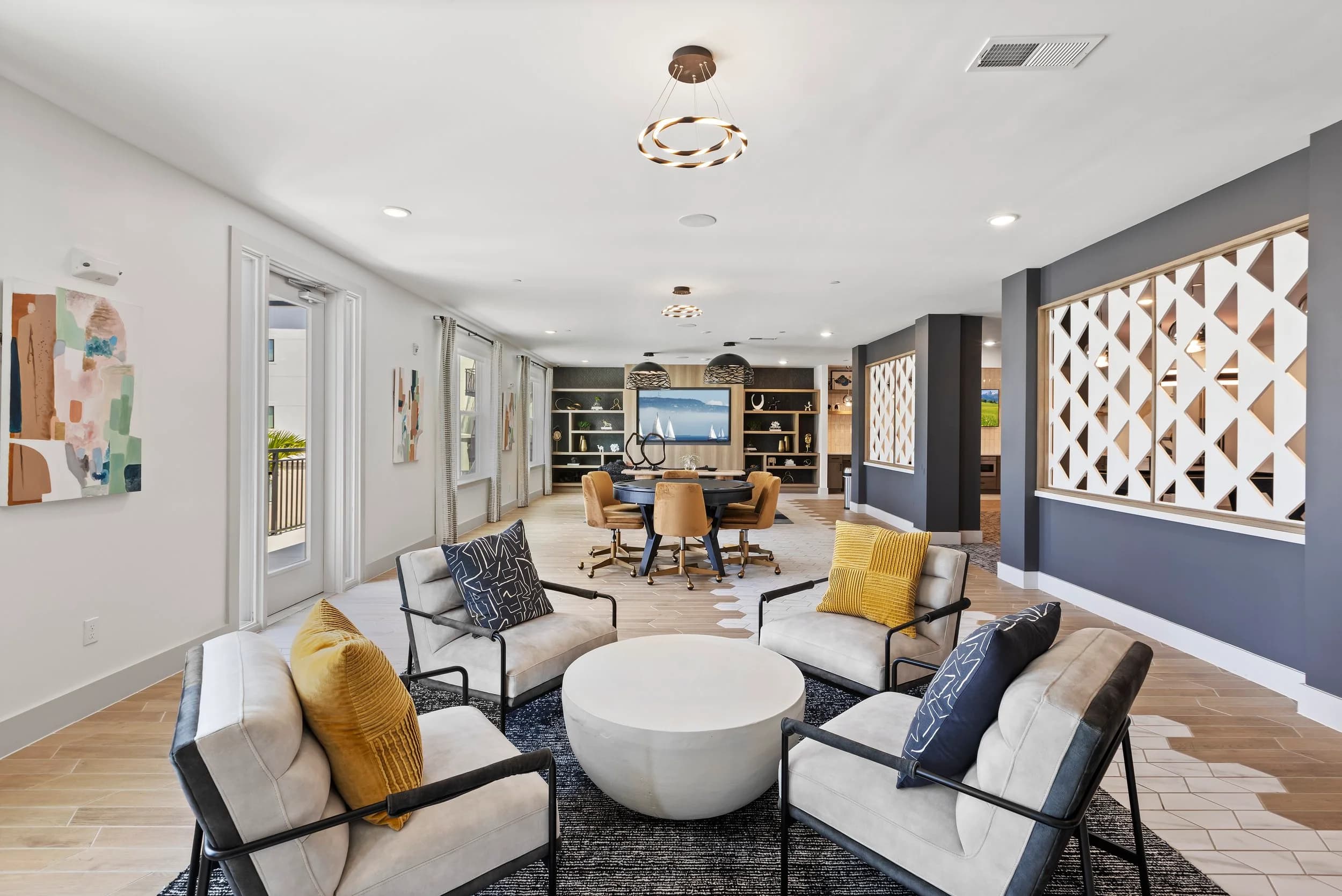
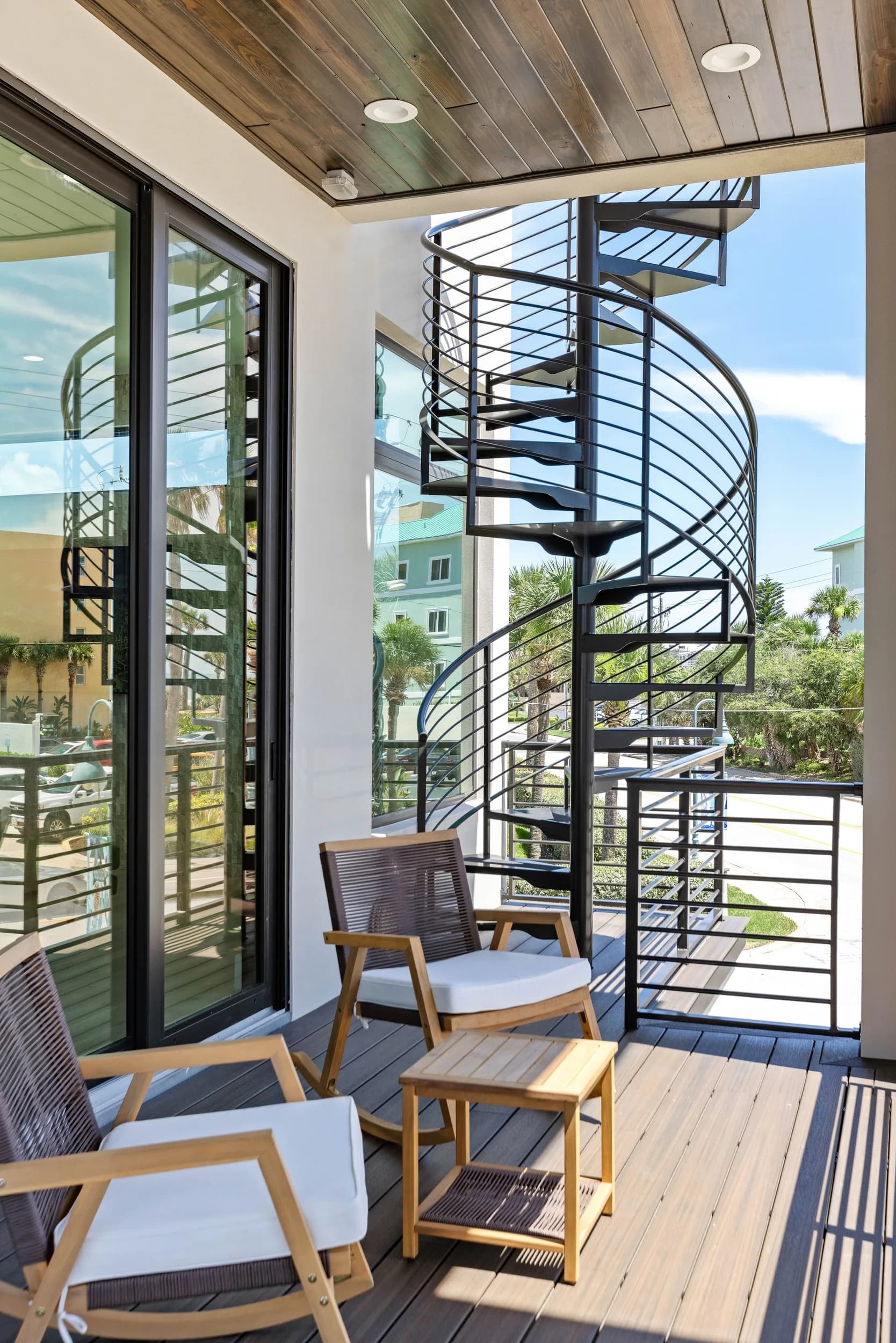
- Photography and spec home marketing before completion
- Listing video and vertical social cuts
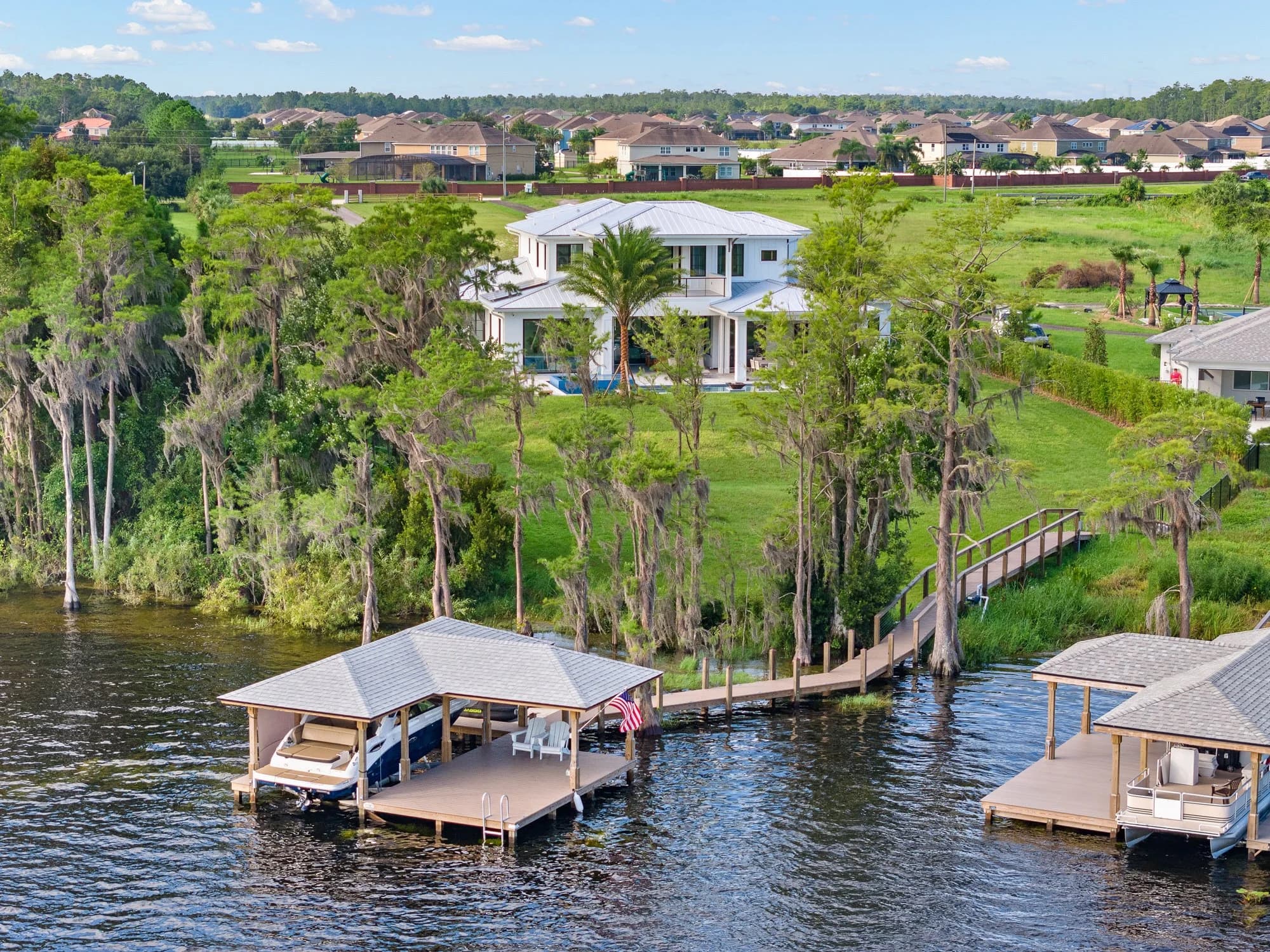
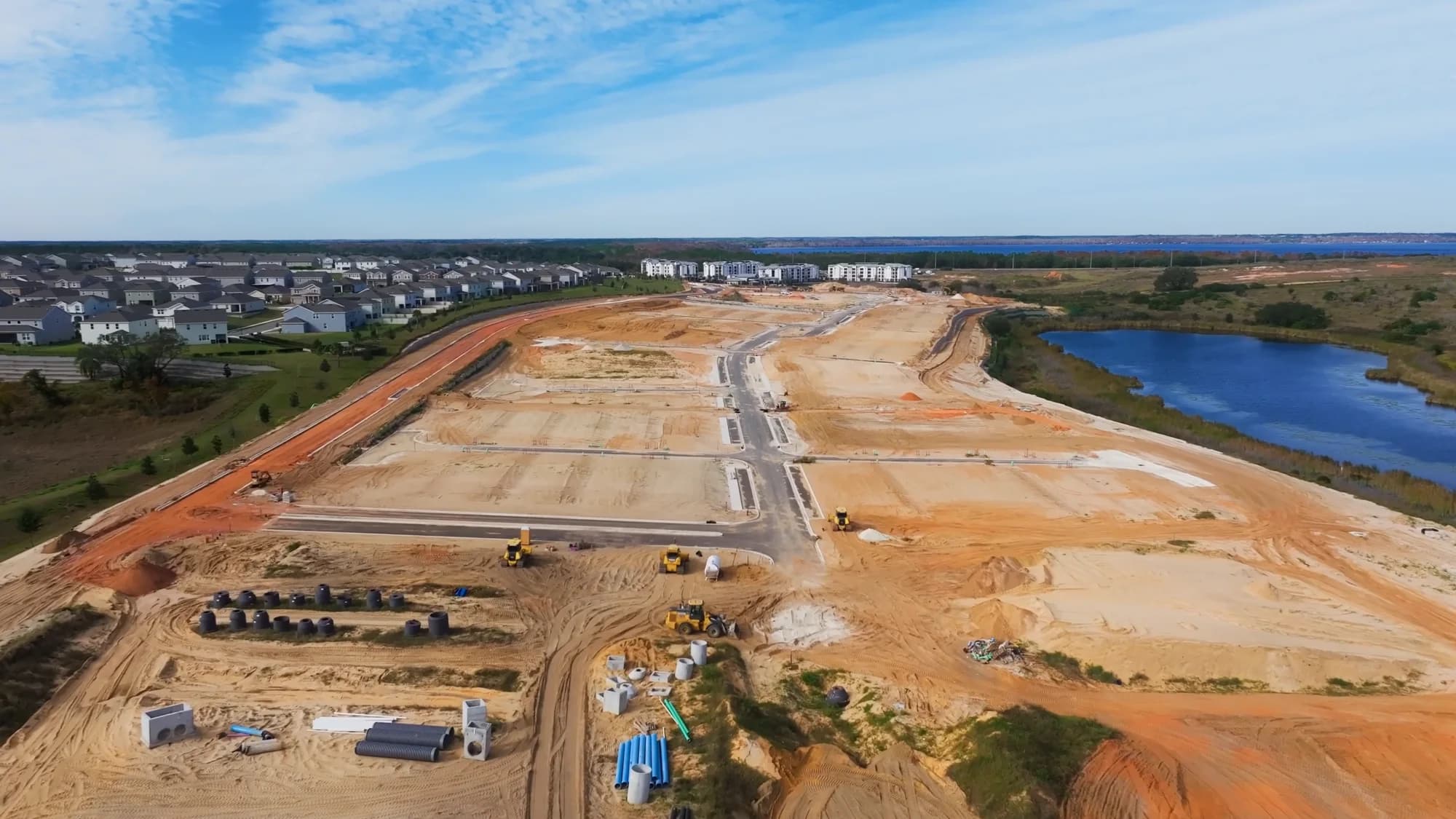
- Drone stills and aerials showing the community and its position relative to amenities
- 3D tours for quick move-in homes, which out-of-state relocation buyers rely on heavily in Central Florida and Central Texas
- Twilight exteriors on a home that has been sitting
Why Builders Say Yes
A builder's cost of carrying a finished, unsold home is real and quantifiable — financing, insurance, utilities, landscaping, and the internal pressure of a standing unit on a sales report. Against that monthly number, the cost of a proper media package is small.
That is the entire argument, and it is the one to lead with. Not "would you help with marketing," which invites a no. Instead: "Lot 47 has been standing since May. I have two relocation buyers who will not fly in without a 3D tour. Media for that home costs less than one month of carry. Can you fund it?"
Specific home. Specific obstacle. Specific number. Comparison to a cost the builder already feels.
How to Make the Ask
A few practical notes, learned from watching these conversations go well and badly.
- Ask the right person. The on-site sales agent usually cannot approve spend. The division or area sales manager typically can. Ask the on-site rep who controls the marketing budget rather than asking them to approve it.
- Bring a quote, not a range. A single-page quote with a fixed number and a delivery date is approvable. "It'd be a few hundred dollars" is not.
- Time it to their calendar. Builders think in quarters. A request in the last three weeks of a quarter, when unspent budget is visible, lands differently than one in the first week.
- Offer to share the assets. Builders are far more willing to fund media they can also use on their own website and social channels. This is usually the detail that converts a maybe.
- Put the usage terms in writing up front. If the builder is paying and both of you will use the images, the license needs to say so before the shoot, not after.
The Part Agents Get Wrong
Two mistakes come up repeatedly.
The first is asking for a contribution toward a package the agent has already booked. Builders read that as reimbursement, and reimbursement requests go to the bottom of the pile. Ask before you book, and frame it as a joint decision about a shared problem.
The second is asking for too little. An agent asks for help with photos on one home, gets it, and never goes back. Meanwhile the builder has four communities and a recurring need for aerials, amenity coverage, and community brand video that nobody is producing consistently. The agent who brings a builder a solution to that problem becomes the agent the builder calls.
A Reasonable First Attempt
If you have never asked, start narrow. Pick one standing home in one community. Find out who owns the budget. Get a quote with a fixed price and a shoot date. Make the carry-cost comparison in one sentence. Offer shared usage.
The worst realistic outcome is a no and a clearer picture of how that builder's marketing decisions get made, which is useful on its own. The common outcome is a yes on a small request, which is how the larger conversation starts.
If it would help to have a quote in hand before you make the ask, we put those together for agents regularly and they are structured to be approvable — fixed scope, fixed price, named delivery date. Ready to book? Get in touch or call us — we serve Orlando, Tampa Bay, and Central Texas.