Not every listing needs aerial photography — but when it does, nothing else can substitute for it. Drone photos give buyers a perspective that no wide-angle lens on the ground can capture: the relationship between the home, the land, and everything surrounding it.
The question isn’t whether drone photos are impressive. They are. The question is when they move from “nice to have” to genuinely essential for selling a property.
Properties Where Drone Photography Is Non-Negotiable
Some listing types simply don’t tell their full story without aerial imagery. If your listing falls into any of these categories, budget for drone photos from the start.
Waterfront Properties
Whether it’s a lakefront home in the Orlando metro, a Gulf-access property near Tampa Bay, or a canal-front lot, the water is often the primary selling point. Ground-level photos can’t show the view from the dock, the proximity of the water to the back door, or the expanse of the lake or bay. An aerial shot does all three in a single frame.
Large Lots and Acreage
When a property sits on half an acre or more, a ground-level photo of the backyard barely tells the story. Drone imagery reveals the full scope of the land — tree lines, cleared space, fencing, outbuildings, and the home’s position within the property. For agricultural or equestrian properties, this is critical.
Golf Course and Conservation Views
Homes backing up to golf courses, nature preserves, or conservation land have a premium feature that’s nearly impossible to communicate without an aerial view. Buyers are paying for that privacy buffer and the view — show it to them.
New Construction Communities
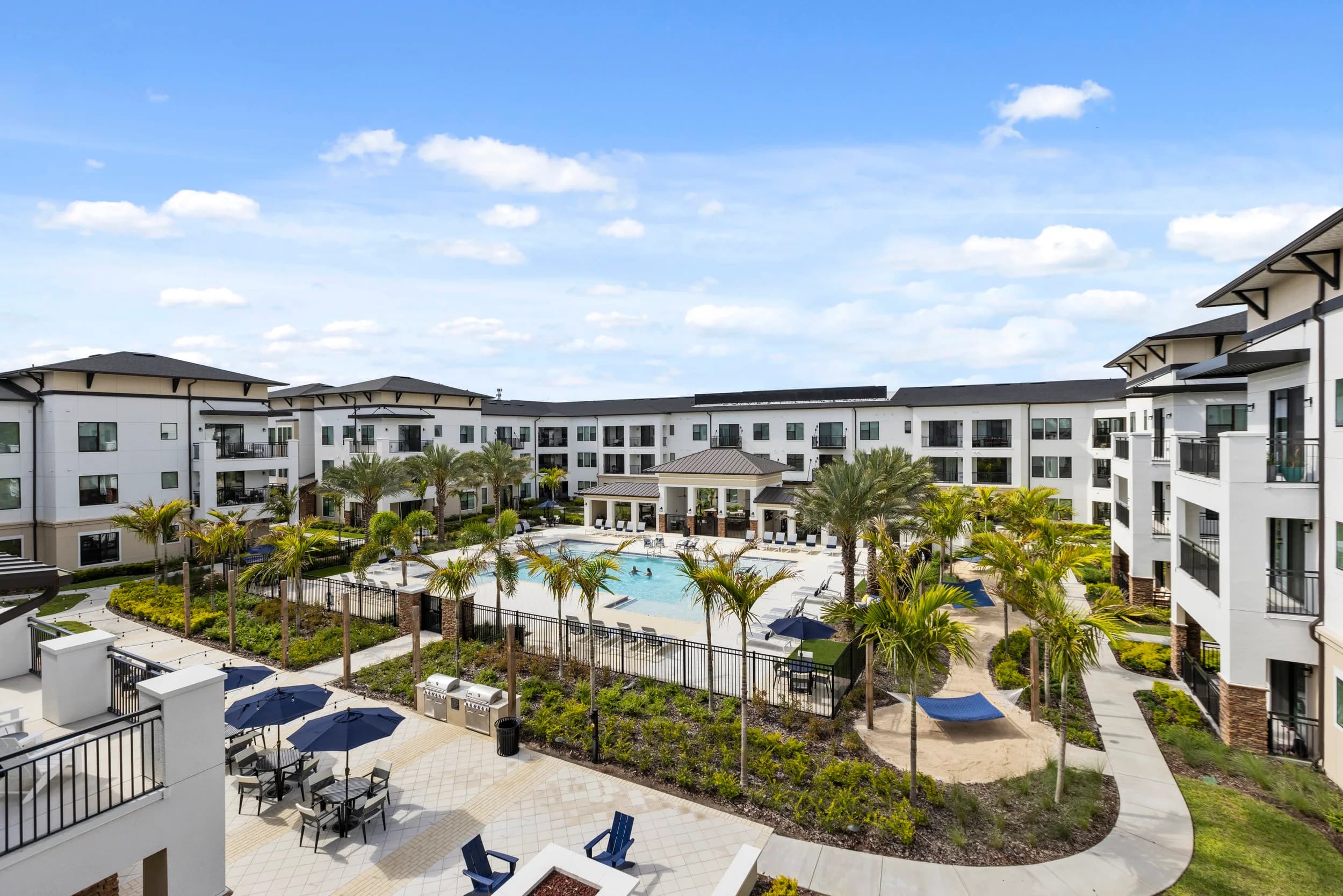
Home builders rely heavily on drone photography for community marketing. Aerial images show model home locations, streetscapes, amenity centers, proximity to major roads, and the overall scale of the development in a way that resonates with buyers before a single slab is poured.
Neighborhood Context and Location Advantages
Sometimes the value isn’t just the home — it’s what’s nearby. A property that’s a short walk from downtown, a few blocks from a top-rated school, or convenient to a major highway can benefit from aerial context shots that show the surrounding area.
When Drone Photos Are a Smart Add-On
Beyond the must-have cases, there are plenty of listings where aerial imagery isn’t essential but adds meaningful value:
Homes priced above $500K where premium marketing is expected by both sellers and buyers
Corner lots where ground-level photos don’t capture the full yard
Properties with mature trees, privacy landscaping, or unique outdoor features that read better from above
Homes in tight neighborhoods where aerial shots differentiate the listing visually in a sea of similar properties
FAA Regulations: What Every Agent Should Know
In Florida — and across the U.S. — commercial drone photography requires an FAA Part 107 Remote Pilot Certificate. This is the license professional drone pilots obtain by passing a written aeronautical knowledge exam and registering their aircraft with the FAA.
What does this mean for you? It means you should always hire a licensed drone photographer, not a neighbor with a DJI Mini and good intentions. An unlicensed operator shooting commercial real estate is violating federal law, and the liability falls on you as the listing agent if anything goes wrong.
When you work with JRP, all of our drone pilots hold active FAA Part 107 certifications and carry liability insurance. We also handle any required airspace authorizations through the FAA’s LAANC system — so if your listing is near an airport or in controlled airspace, we’ve already managed the clearance before we arrive.
What to Expect from a Drone Photo Session
A typical residential drone session adds 30–45 minutes to a photo shoot. We capture a variety of angles: high-altitude overview shots, medium-altitude angles that show the home in relation to surrounding features, and low-altitude detail shots that highlight the roofline, pool, or backyard setup.
For most listings, 10–15 edited drone images are delivered along with the standard interior and exterior ground-level photos, all in the same turnaround window.
One Final Thought
Buyers search by neighborhood, price, and beds/baths — but they click based on photos. If a listing has a stunning water view, a gorgeous lot, or a resort-style outdoor space that ground-level photos simply can’t capture, you’re leaving money on the table by skipping the aerial.
Ready to book? Get in touch or give us a call — we serve Orlando, Tampa Bay, Central Florida, and the Austin and Dallas metro areas.