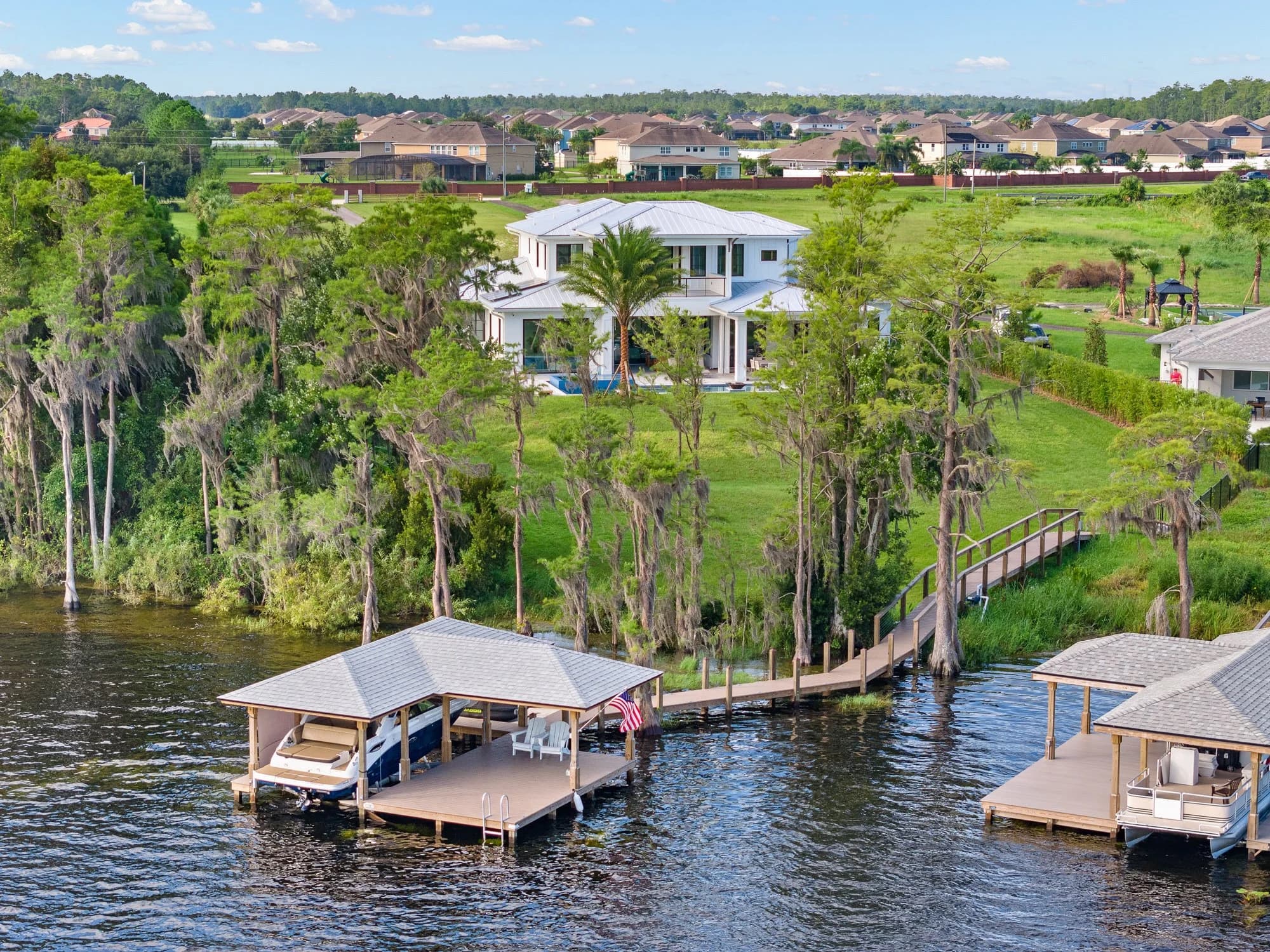
Aerial photos and video can transform a listing, showing off lot size, waterfront access, and neighborhood context that ground-level photos simply cannot. But there is a legal layer behind those shots that every agent should understand before hiring a drone operator. Here is a plain-English guide to FAA Part 107 and what it means for real estate marketing in Florida and Texas.
What Part 107 Actually Is
Part 107 is the set of Federal Aviation Administration rules that govern commercial drone operations in the United States. Any time a drone is flown for business purposes, and marketing a home for sale absolutely counts, the pilot is required to hold a valid FAA Remote Pilot Certificate under Part 107. This is not optional or a gray area. Capturing aerial photos to help sell a listing is a commercial use, full stop. The certificate confirms the pilot has passed an FAA knowledge exam covering airspace, weather, regulations, and safe operating practices.
Why It Matters for Agents
When you hire a photographer to fly a drone over a listing, you are relying on them to operate legally. Hiring a properly certified operator protects you in several ways. It limits your liability, because certified and insured pilots reduce your exposure if an accident or property damage occurs. It keeps you compliant, since many brokerages require proof that aerial imagery was captured legally. And it protects your reputation, because professional, compliant marketing reflects well on you and your listings.
The Rules That Affect Your Shoot
A Part 107 pilot operates within specific limits that occasionally shape what is possible at a given property. Near airports, much of the airspace is controlled, so pilots use the FAA’s LAANC system to request near-instant authorization, though some areas require advance approval or cannot be flown at all. Much of Orlando sits near airports, so this comes up often. Drones are generally limited to 400 feet above ground level, which is more than enough for real estate. The pilot must keep the drone within visual line of sight, avoid flying over people who are not part of the operation, and fly in good visibility, which Florida’s fast-moving storms can interrupt.
Questions to Ask Before You Book
Before hiring anyone to capture aerial imagery of your listing, confirm a few things. Ask whether they hold a current FAA Part 107 Remote Pilot Certificate, whether they are insured for commercial drone operations, whether this property’s airspace will require authorization, and whether they can provide both aerial stills and video. A professional should answer all of these without hesitation.
When a Listing Actually Benefits From Aerial
Not every home needs drone coverage, but aerial imagery shines for large lots, acreage, and equestrian properties where the land is a selling point. It is invaluable for waterfront, lakefront, and canal homes where access is hard to show from the ground, and for golf-course and gated-community homes that benefit from neighborhood context. New-construction communities also use aerials to market their location and amenities. For these listings, a few well-composed aerial frames communicate value that pages of text never could.
Fly Smart, Sell Confidently
Aerial photography is one of the most powerful tools in real estate marketing when it is done legally and well. Working with a certified, insured Part 107 pilot means your listings get standout imagery without the legal worry. At JRP, all of our drone work is flown under FAA Part 107. Ready to add aerial photos and video to your next listing? Get in touch or call us, we serve Orlando, Tampa Bay, Central Florida, and Central Texas.