Aerial coverage has become a near-default expectation on Florida listings — but “drone” isn’t one product. Aerial stills and aerial video do very different jobs, and choosing the wrong one (or paying for both when you only need one) is a common, avoidable mistake. Here’s how to decide.
What Aerial Photos Do Best
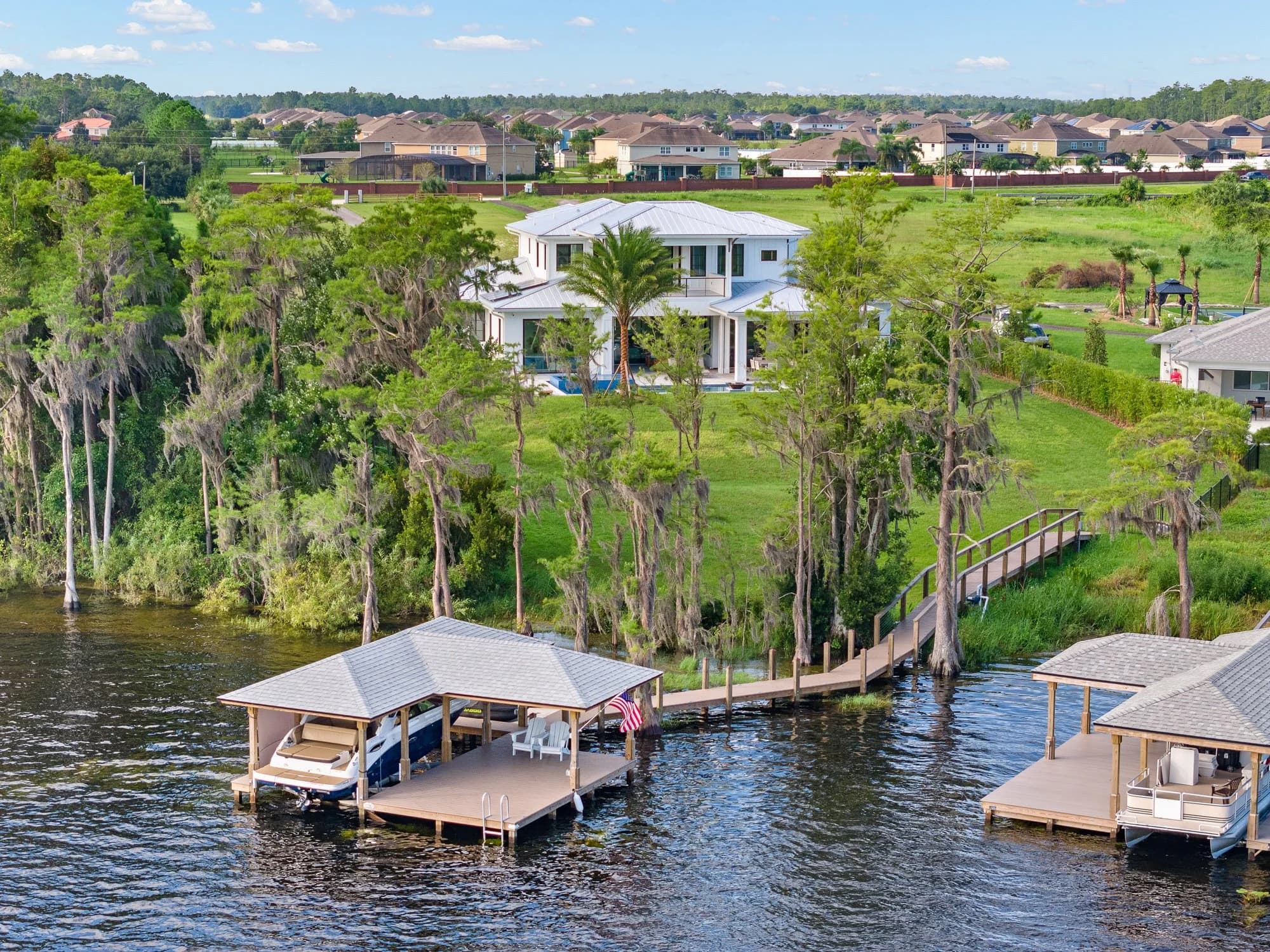
Drone stills answer a single, powerful question for a buyer scrolling the MLS: where exactly is this property, and what surrounds it? A handful of well-composed aerial photos communicate things ground-level images simply can’t.
Aerial photos are the right call when the property’s value is tied to location or land:
Lot size and boundaries: acreage, corner lots, or oddly shaped parcels read clearly from above.
Proximity to water, golf, or conservation: a single frame can show a home’s relationship to a lake, canal, or fairway.
Roof and exterior condition: useful for newer construction and higher-end homes where the roofline is a selling point.
Neighborhood context: gated communities, cul-de-sacs, and parks come across instantly.
For a standard residential listing in Orlando or Tampa Bay, three to five aerial stills usually cover everything a buyer needs. They drop straight into the MLS photo set alongside the interior images, so there’s no extra step for the agent.
What Aerial Video Adds
Drone video is about motion and storytelling. A smooth flyover establishes a sense of scale and flow that stills can’t replicate: pulling back from the front door to reveal a waterfront, or gliding over a sprawling estate to show how the grounds connect.
Aerial video earns its keep on:
Luxury and waterfront properties where the experience of the setting is the product.
Large estates and acreage that can’t be captured in a single frame.
Social media and listing videos, where a cinematic opening shot stops the scroll on Instagram and YouTube.
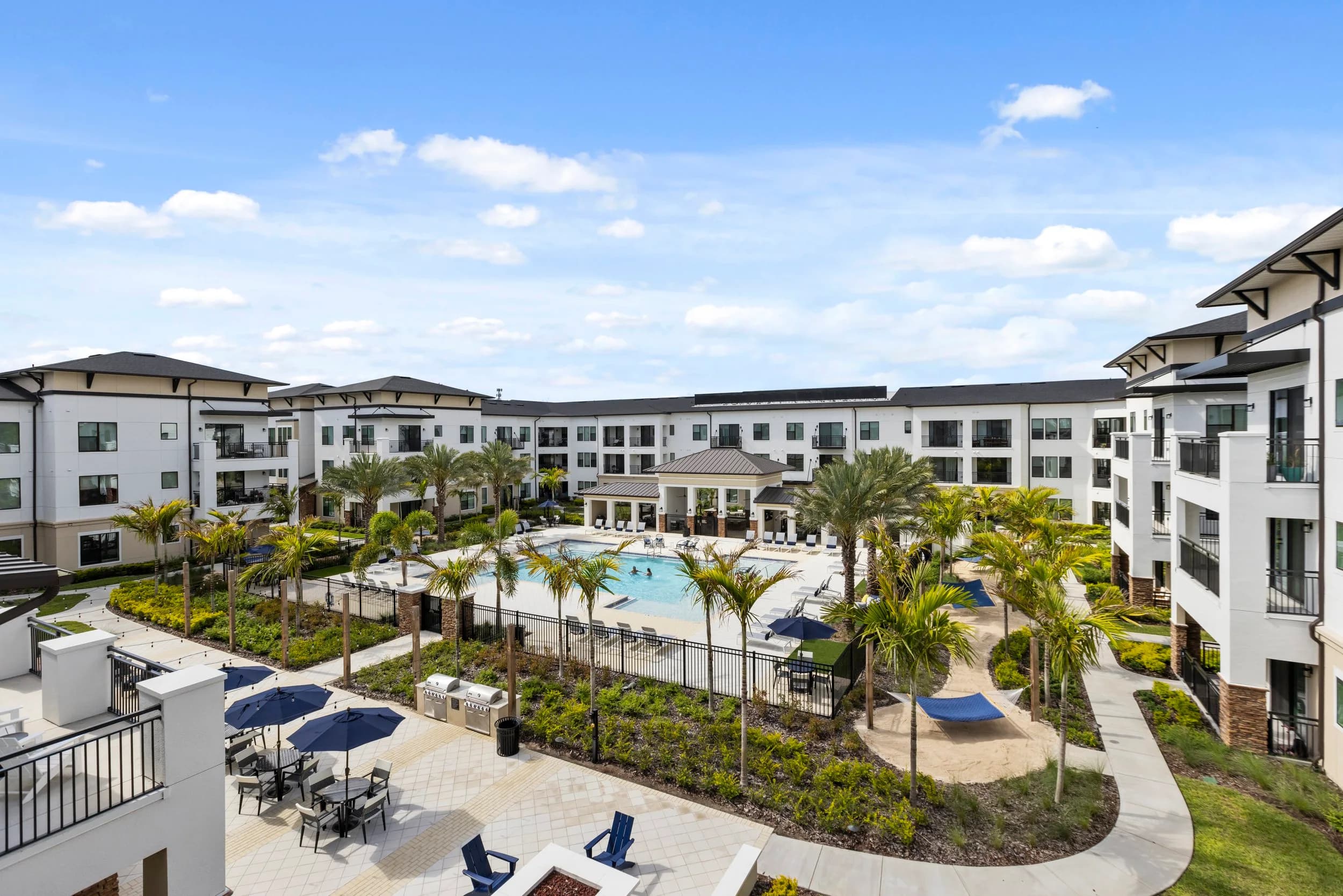
New construction communities, where builders want to show amenities, layout, and the surrounding development.
The trade-off is that video lives mostly outside the MLS. It shines in marketing reels, agent branding, and builder campaigns, not as a replacement for still photos.
When You Need Both
Plenty of listings genuinely benefit from both. A waterfront luxury home, for example, wants aerial stills for the MLS and a cinematic flyover for the listing video and social media. New construction and high-end estates are the most common candidates for full aerial coverage.
A simple way to think about it:
Aerial photos = information for the buyer browsing listings.
Aerial video = emotion and reach for marketing the property.
If the budget only allows one, most everyday residential listings should choose photos. Properties where the setting is the headline should lean toward video, or both.
A Quick Florida Note
Legal aerial work in Florida requires an FAA Part 107-certified remote pilot, and certain areas near Orlando International, Tampa International, and other controlled airspace need authorization before a drone goes up. Working with a licensed photographer means scheduling and airspace are handled for you, rather than discovering a no-fly restriction the morning of the shoot.
The Bottom Line
Don’t think of drone coverage as a single add-on. Match the format to the property: stills to show where a home is, video to show what it feels like to be there. For most listings, a few aerial photos do the job. For the properties where location and lifestyle are the selling point, video, or a combination, is worth it.
Ready to book? Get in touch or call us, we serve Orlando, Tampa Bay, Central Florida, and Central Texas.